TCB Jeans: The Complete Brand Guide to Okayama’s Best-Value Repro
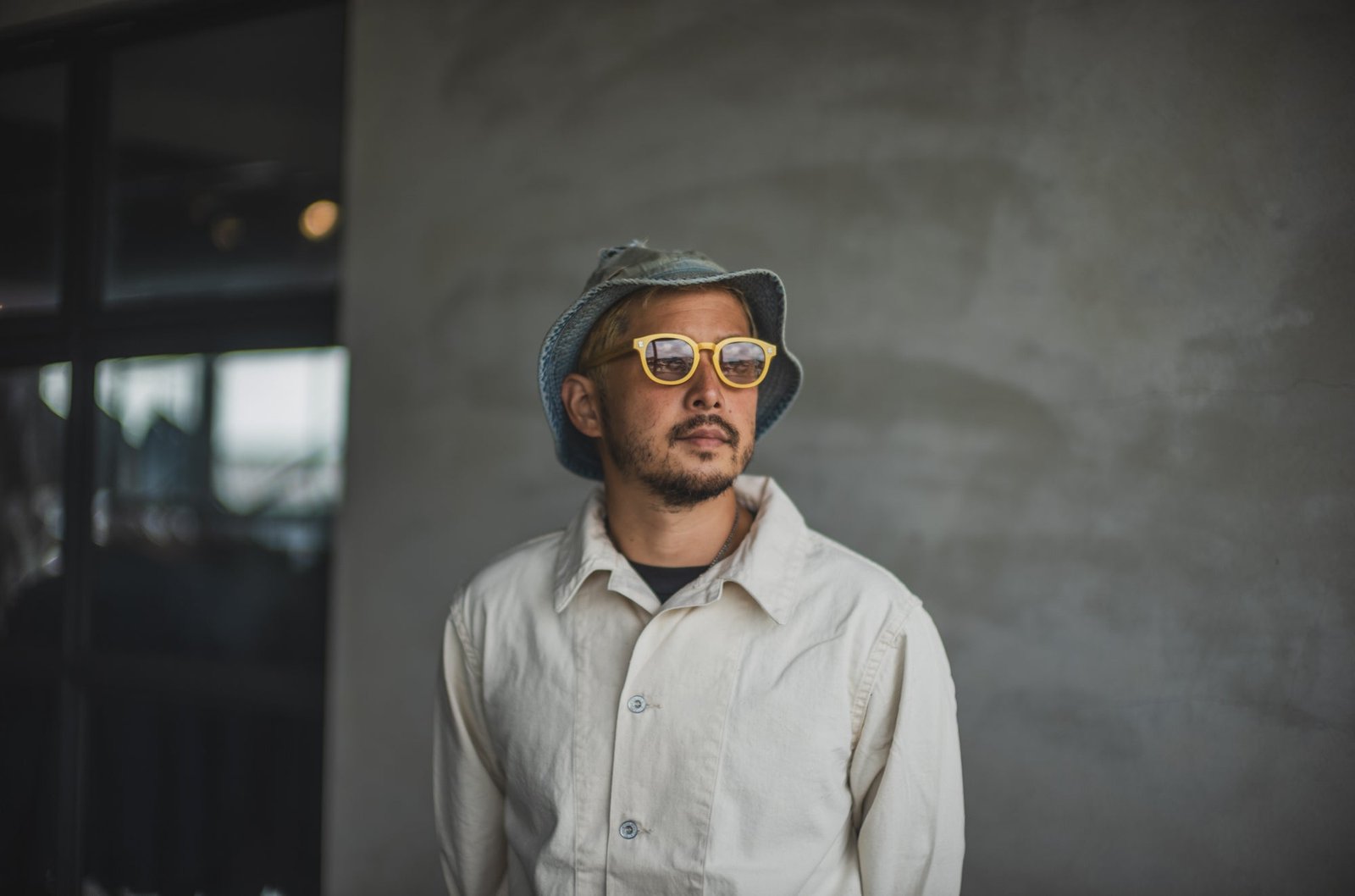
Ownership status, stated plainly: I have not handled these pieces personally. This is a researched brand study built from TCB’s own store, founder interviews, and verified retailer spec sheets from Redcast Heritage, Okayama Denim, and others. Where a claim rests on the brand’s telling or on retailer specs rather than something I have measured, I say so. Nothing here was gifted or sponsored. The images are TCB’s own and stockist product and fit photography, hosted here with links to buy beneath each one.
The verdict, up front
If you want the honest answer to a question this niche argues about constantly, here it is: TCB Jeans is the best value in Japanese reproduction denim, and it is not particularly close. This is a small Okayama workshop run by Hajime Inoue that reproduces vintage American workwear stitch for stitch on the correct old machines, then sells it for roughly the price other brands charge for a mass-market jean. A faithful selvedge repro of a 1950s 501 lands around $220. That number alone tells you most of the story. But TCB is also far more fun and far broader than a value denim label, because Inoue is a lifelong cat obsessive and the brand is stuffed with a cat-themed wardrobe of jackets, shirts, vests, and workwear that goes well past the jeans.
Here is the honest headline before you buy. TCB is a strict, faithful reproduction house, so if you want a modern slim silhouette or dressed-up refinement, this is not the brand. What you get instead is period-correct construction, proprietary selvedge woven for the brand, in-house sewing on vintage Union Special, Reese, and Singer machines, and prices that make almost everything else in the category look overpriced. This guide covers the founder and the Two Cats Brand story, why the value is real rather than a corner-cutting trick, the full denim lineup by era, the whole cat-themed wardrobe beyond the jeans, sizing, honest downsides, and where to buy across the US, Europe, and worldwide.
At a glance
| Brand | TCB Jeans, founded 2007 in Kojima, Okayama |
| Founder | Hajime Inoue, former vintage sewing-machine technician |
| Name | Originally Taking Care of Business, reworked into Two Cats Brand after Inoue’s two cats, a nod to Levi’s Two Horse Brand |
| What it is | Stitch-faithful vintage reproduction, 1920s to 1970s, made entirely in-house |
| Denim | Proprietary selvedge woven at Shinya Mills, rope-dyed indigo, various cottons, mostly unsanforized but one-washed |
| Machines | Vintage Union Special, Reese, and Singer for period-correct stitching |
| Price band (Aug 2026) | Most jeans about $205 to $300, jackets about $190 to $275, shirts and trousers less |
| Best for | The man who wants honest, faithful vintage repro at the best price in the category |
| Skip if | You want a modern slim cut, dressed-up refinement, or heavyweight 21oz-plus denim |
Some links on this page are retailer links, and if an affiliate relationship is in place, buying through them may earn the site a small commission at no extra cost to you. It does not change what is recommended here. Prices were checked in August 2026 and move, so confirm before you buy.
Who is behind TCB
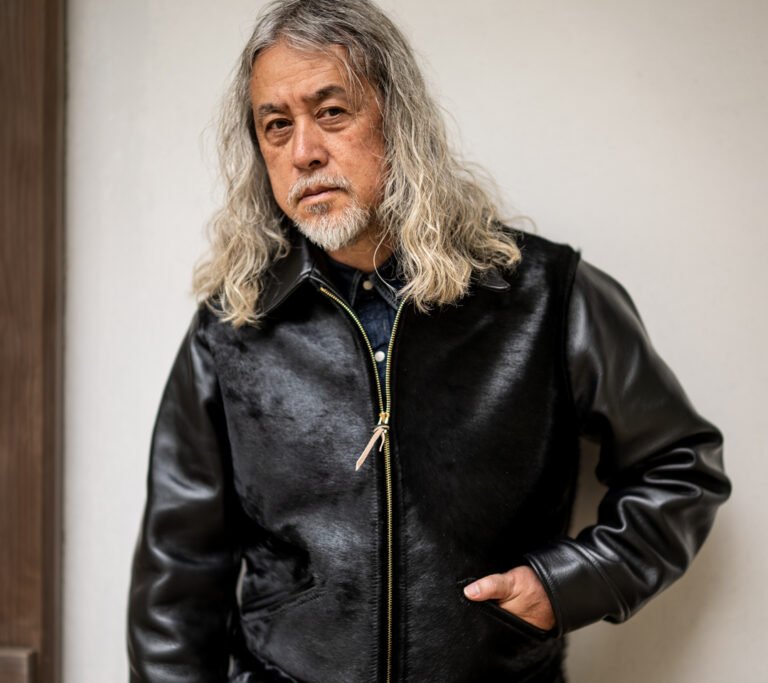
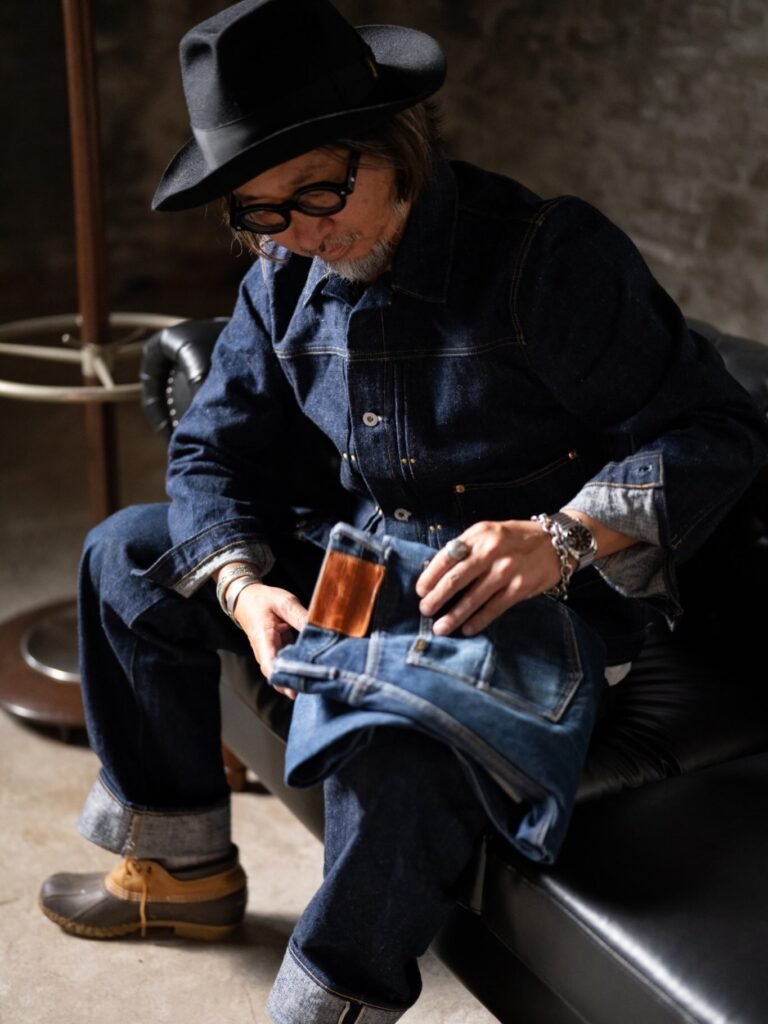
TCB is Hajime Inoue, and his path into denim is the reason the brand is what it is. Born in Hiroshima, he fell for American culture and denim as a teenager in the 1990s. Rather than come up as a designer, he moved to Okayama, Japan’s denim capital, and took a job maintaining the vintage sewing machines in a factory that produced jeans for a major American brand. That is an unusual apprenticeship, and it matters, because it means Inoue understands these garments from the machine outward, not from a mood board inward.
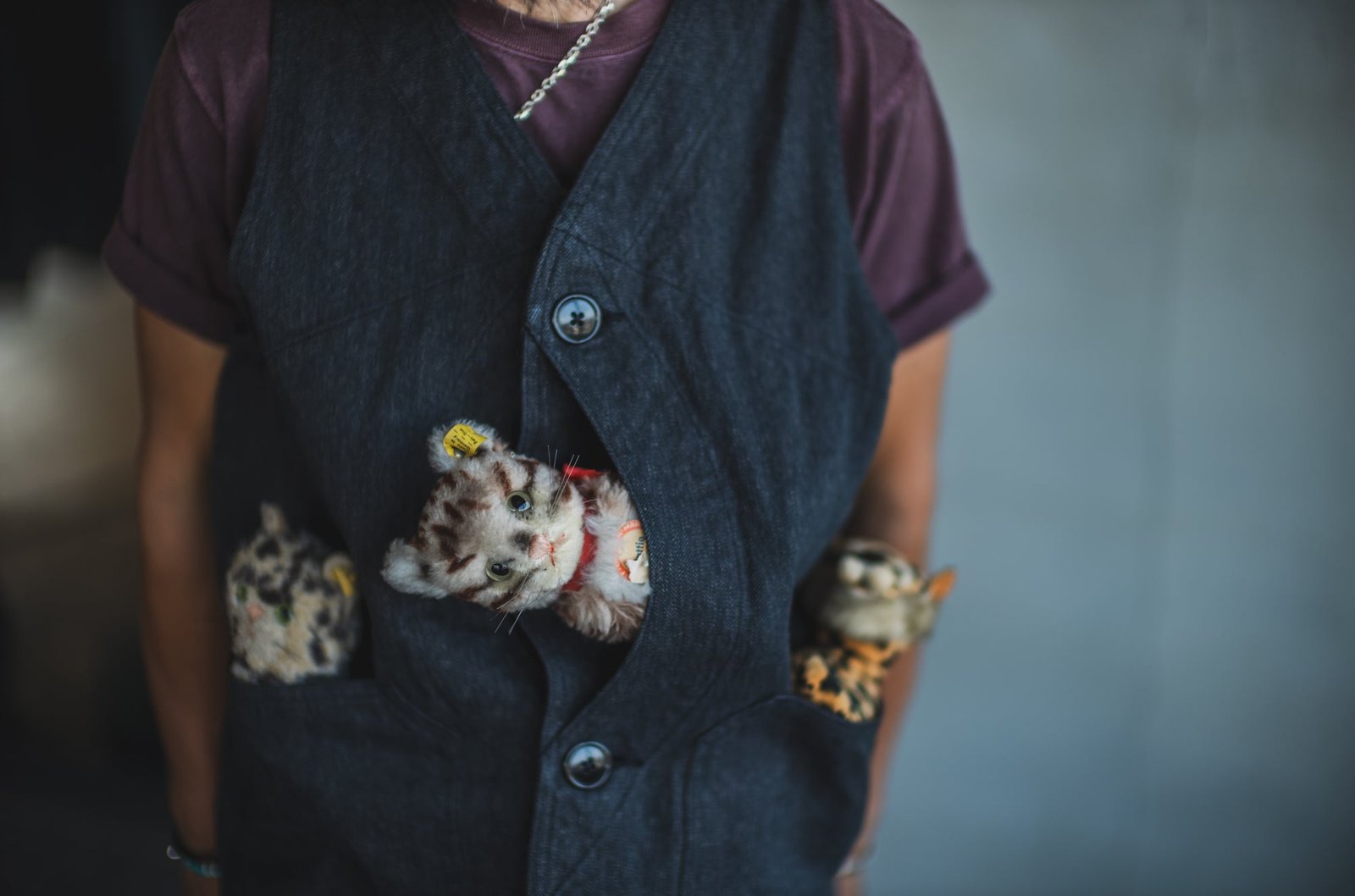
He founded TCB in 2007 in Kojima, Okayama, opening his own sewing factory partly out of concern that this kind of hands-on manufacturing was disappearing in Japan. The name is pure Inoue. It started as Taking Care of Business, then, as a lifelong cat lover inspired by the Levi’s Two Horse Brand patch, he realized TCB could just as easily stand for Two Cats Brand, after his own two cats. That cat runs right through the catalogue, which is half the charm.
The philosophy is faithful reproduction rather than reinvention. As Inoue has put it, his pieces are not exact one-to-one replicas but are drawn from two or three vintage originals to make something faithful and original. Everything is made in-house, on the correct vintage machines, using selvedge the brand has woven to its own spec. That combination of in-house control and a founder who repairs the machines himself is exactly why TCB can hold quality high and price low at the same time.
Why the value is real
This is the part worth slowing down on, because cheap and faithful usually do not go together in this world. TCB gets there honestly. The denim is proprietary selvedge woven for the brand at Shinya Mills from vintage samples, with rope-dyed indigo and cotton chosen to match the era being reproduced. Construction runs on period-correct Union Special, Reese, and Singer machines, so the chainstitching, the felled seams, and the hardware are right rather than approximated. And because Inoue owns the factory and does the work in-house rather than outsourcing, there is no middle layer taking a cut. The result is a genuinely period-correct selvedge jean, not a decontented one, at a price that reads like a mistake until you understand the setup.
The denim lineup, by era
TCB organizes its denim by decade, each model reproducing the cut and details of a specific period. This is the clearest era-by-era range in the category, and it is a large part of why collectors love the brand.
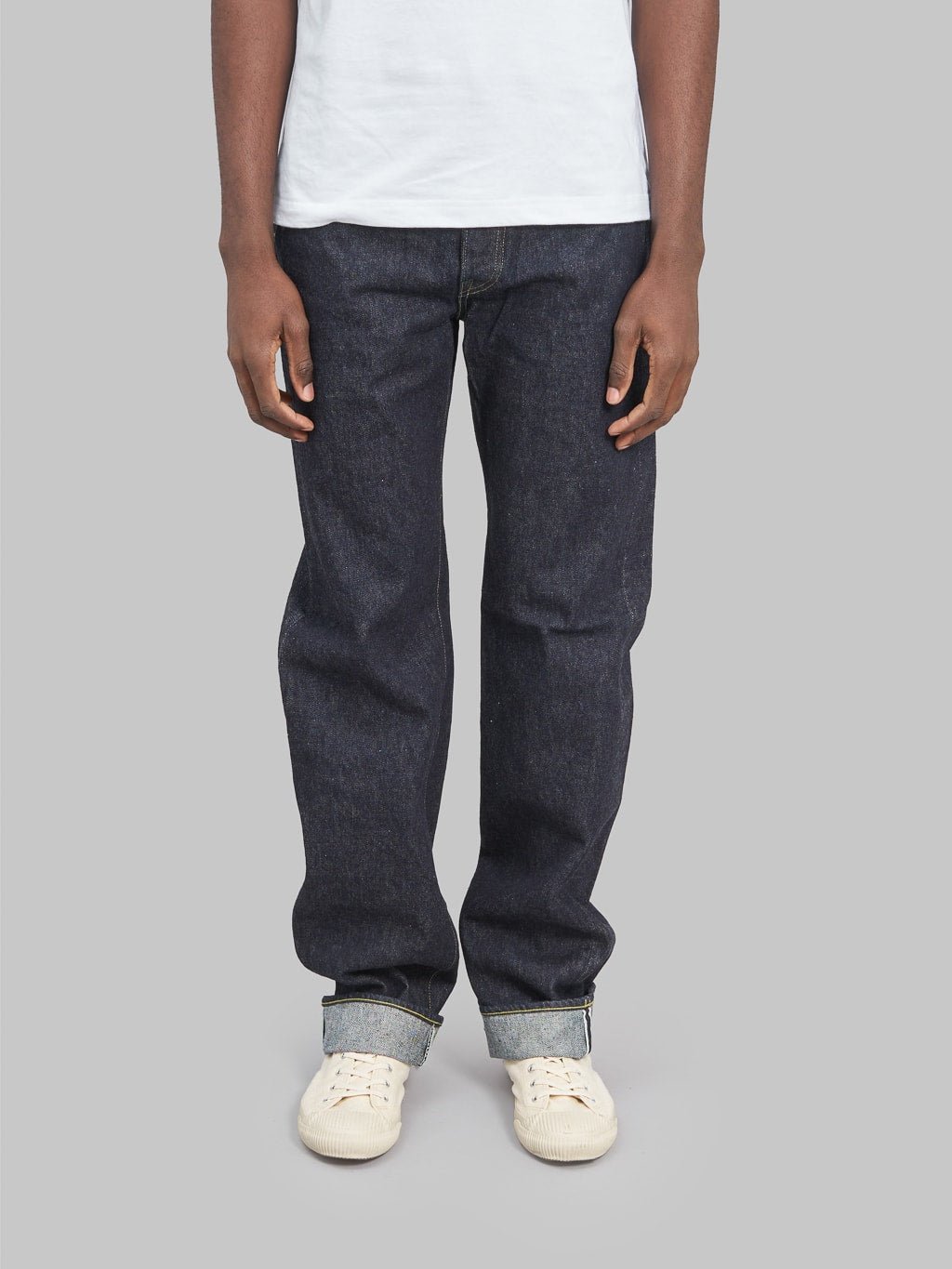
| Model | Reproduces | Character | Approx. price |
|---|---|---|---|
| 20s | 1922 Levi’s 501 | Suspender buttons, very high rise, cinch back | varies |
| 30s | 1930s 501 | 12.5oz Memphis cotton, relaxed. Being discontinued in 2026 | ~$265 |
| S40s (WWII) | Wartime 501 | 14oz, high rise, roomy thigh, wartime details | ~$260 to $300 |
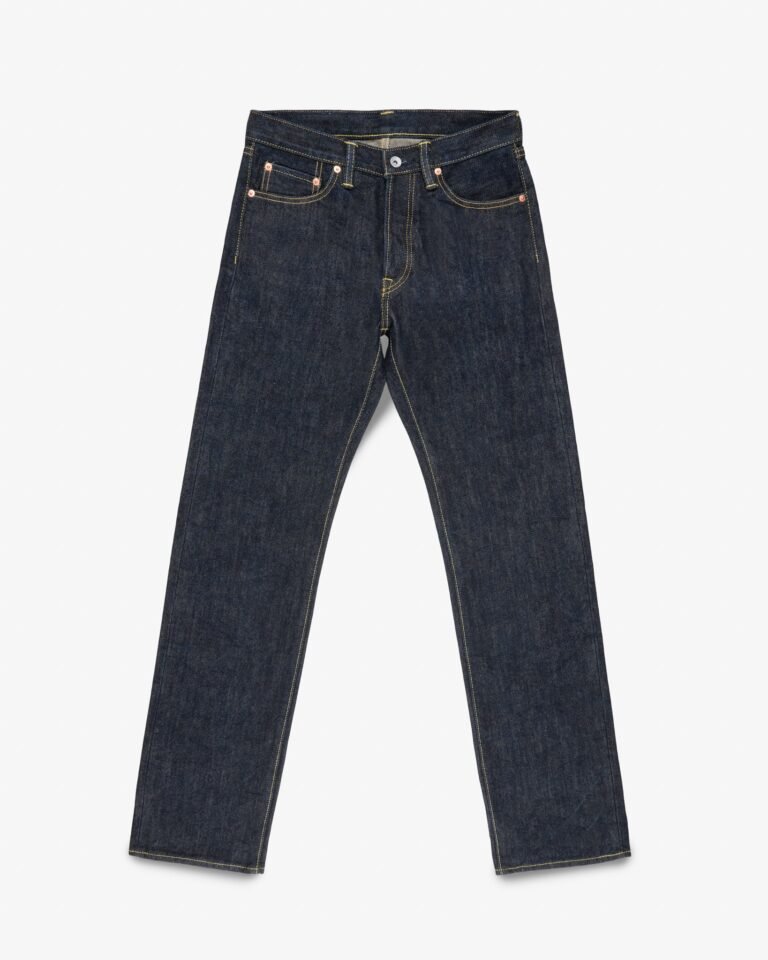
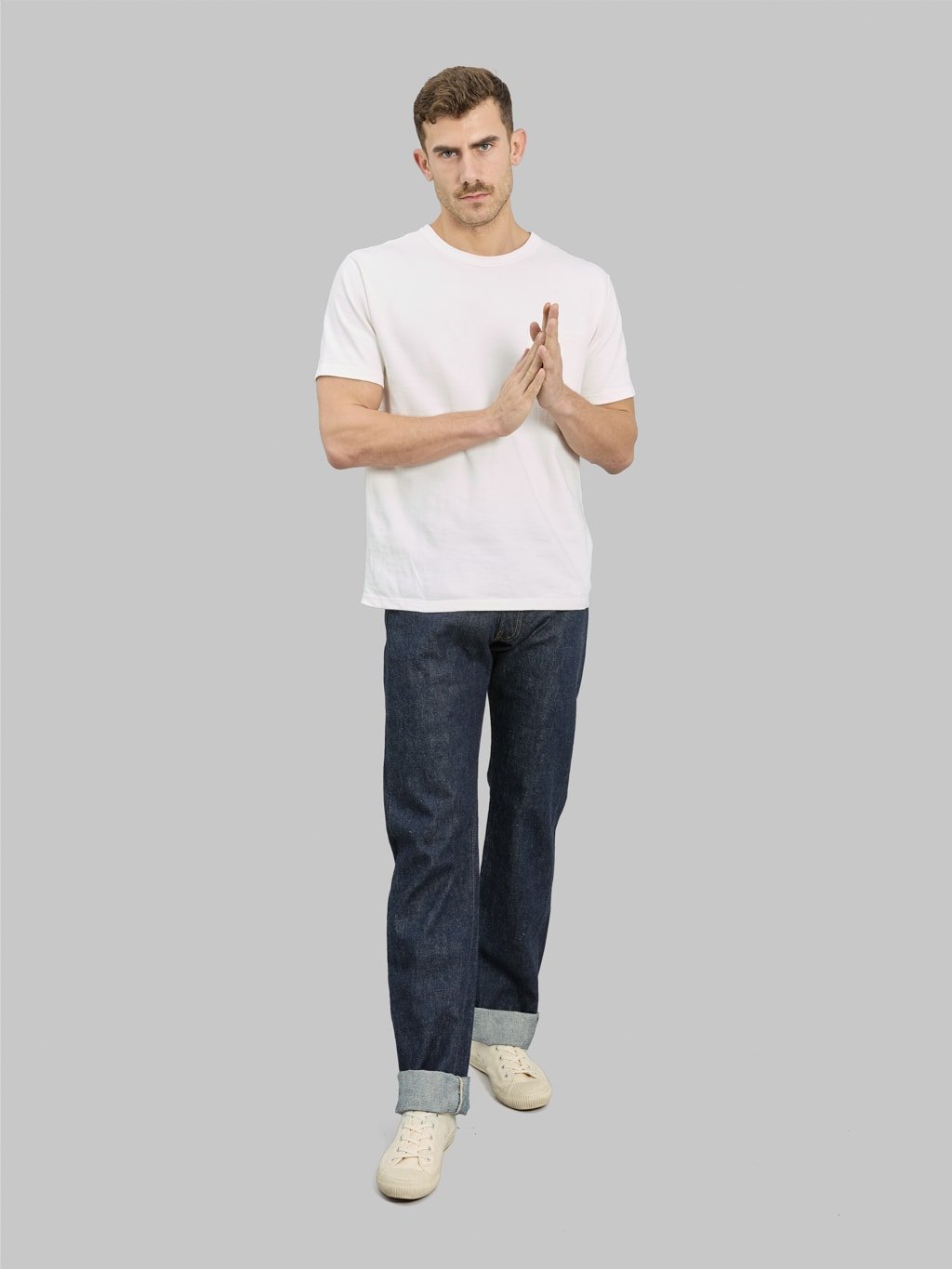
| 50s | 1950s 501 | 13.5oz, regular straight, the flagship | ~$220 |
| 50s Slim T | 1950s, tapered | Slimmer, tapered leg version of the 50s | ~$205 |
| 60s | 1966 501 | Slimmer through the leg than the 50s | ~$230 |
| Seamen’s | 1940s US Navy | 10oz lightweight denim jumper and trousers | ~$165 to $200 |
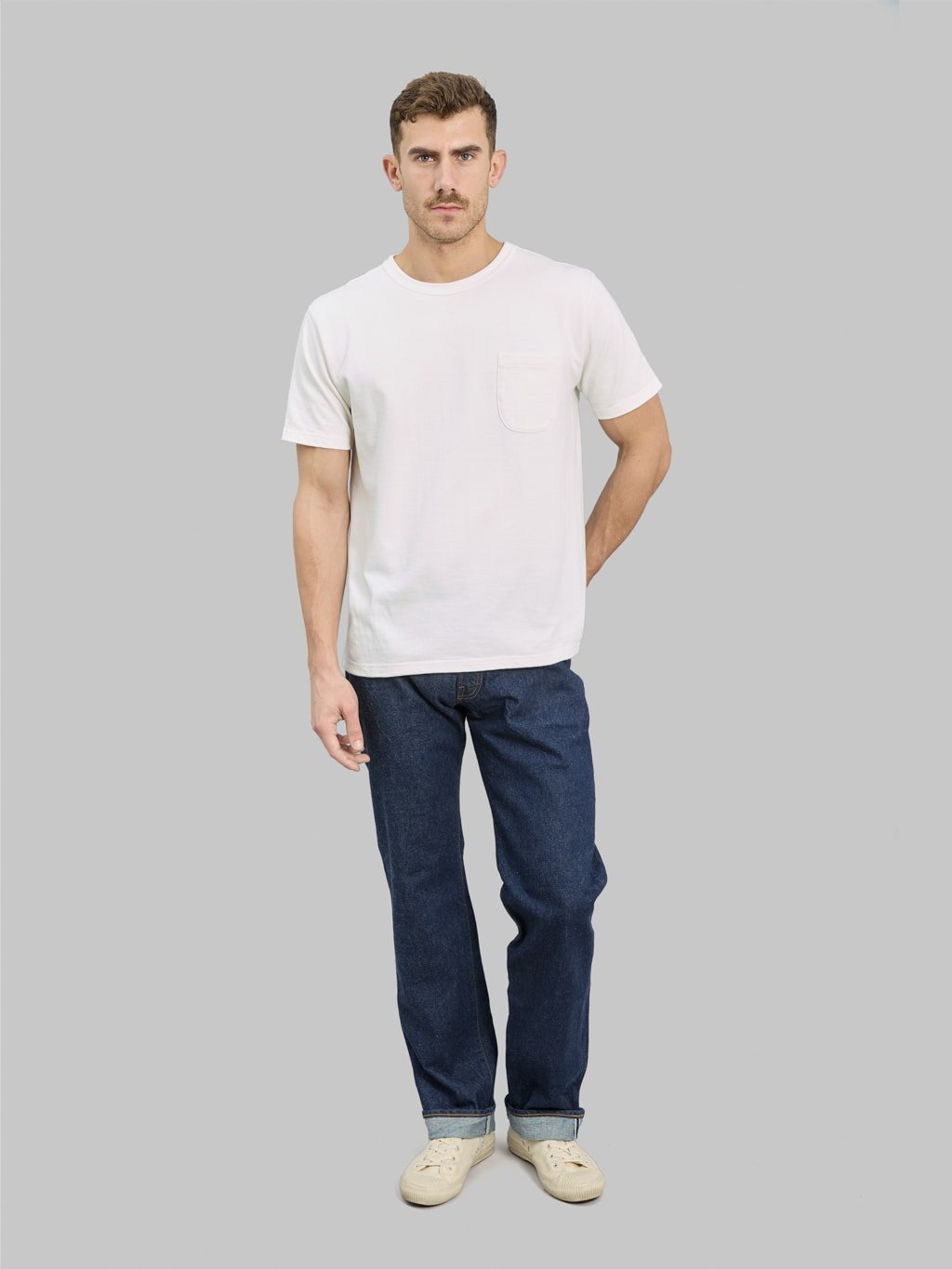
The two most people start with are the 50s, a faithful 1950s 501 with a classic regular-straight leg, and the 60s, which is slimmer and closer to a modern-friendly straight. If you find both too roomy, the 50s Slim T tapers the flagship without losing the character. The S40s is the pick if you want the roomiest, highest-rise wartime silhouette with the most vintage detailing.
Beyond denim: the cat-themed wardrobe
TCB is not a jeans-only brand, and skipping the rest misses half the fun. Alongside the era denim sits a deep and genuinely playful range built around the cat theme, most of it in the same honest-value spirit.
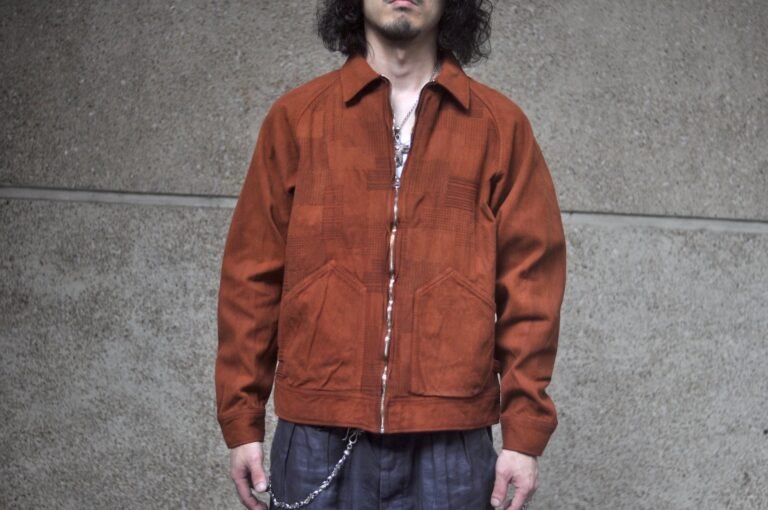
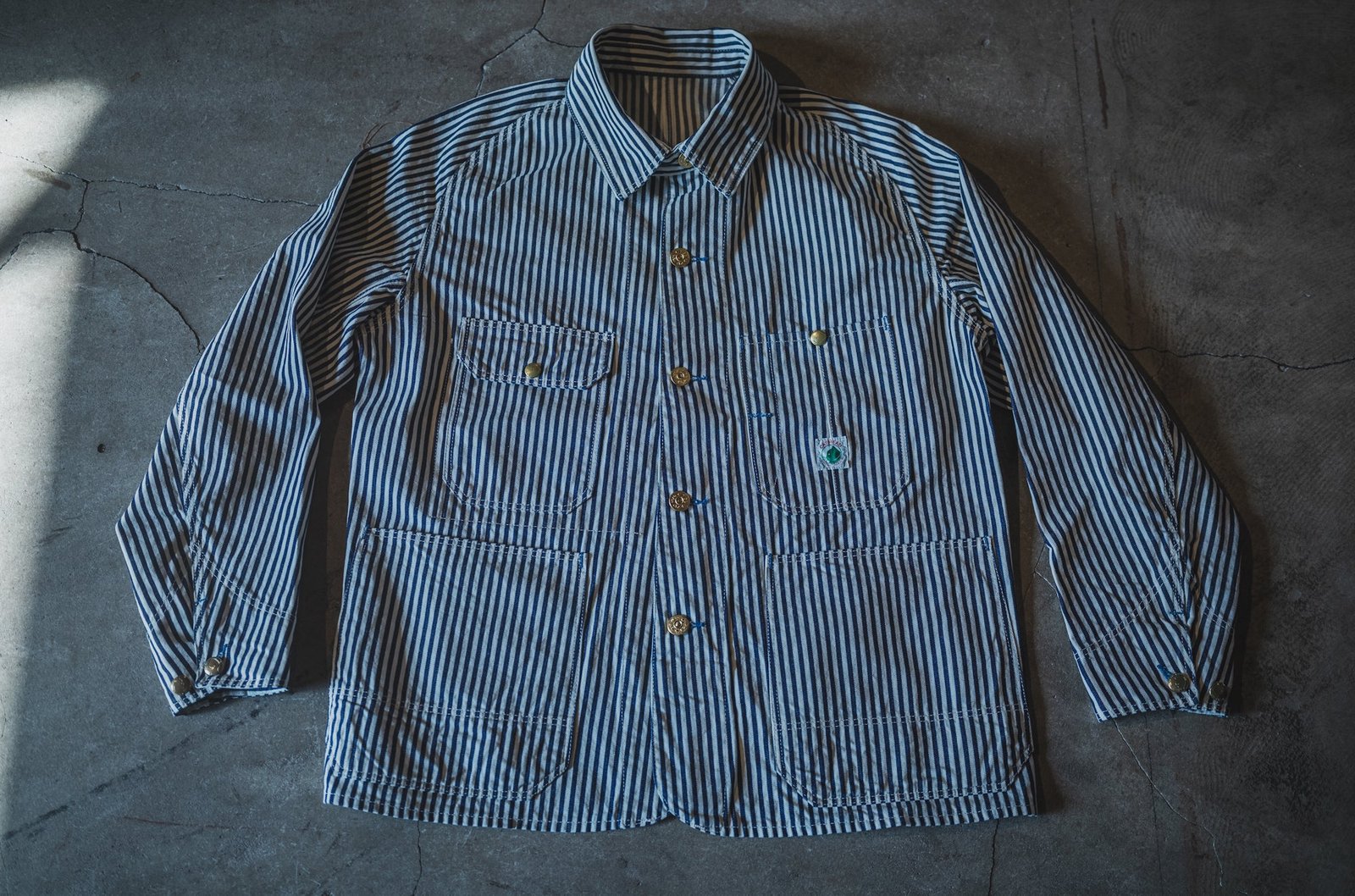
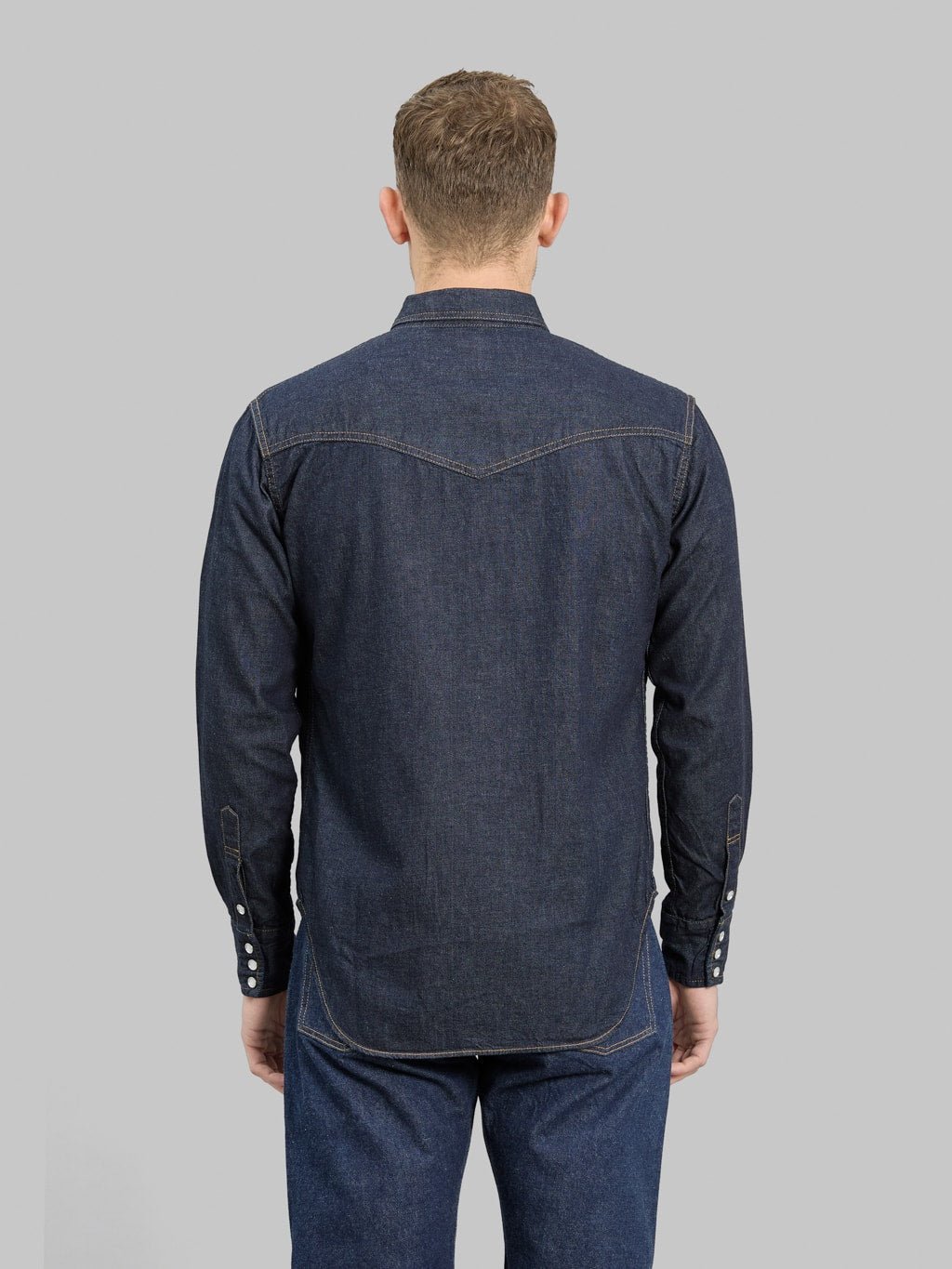
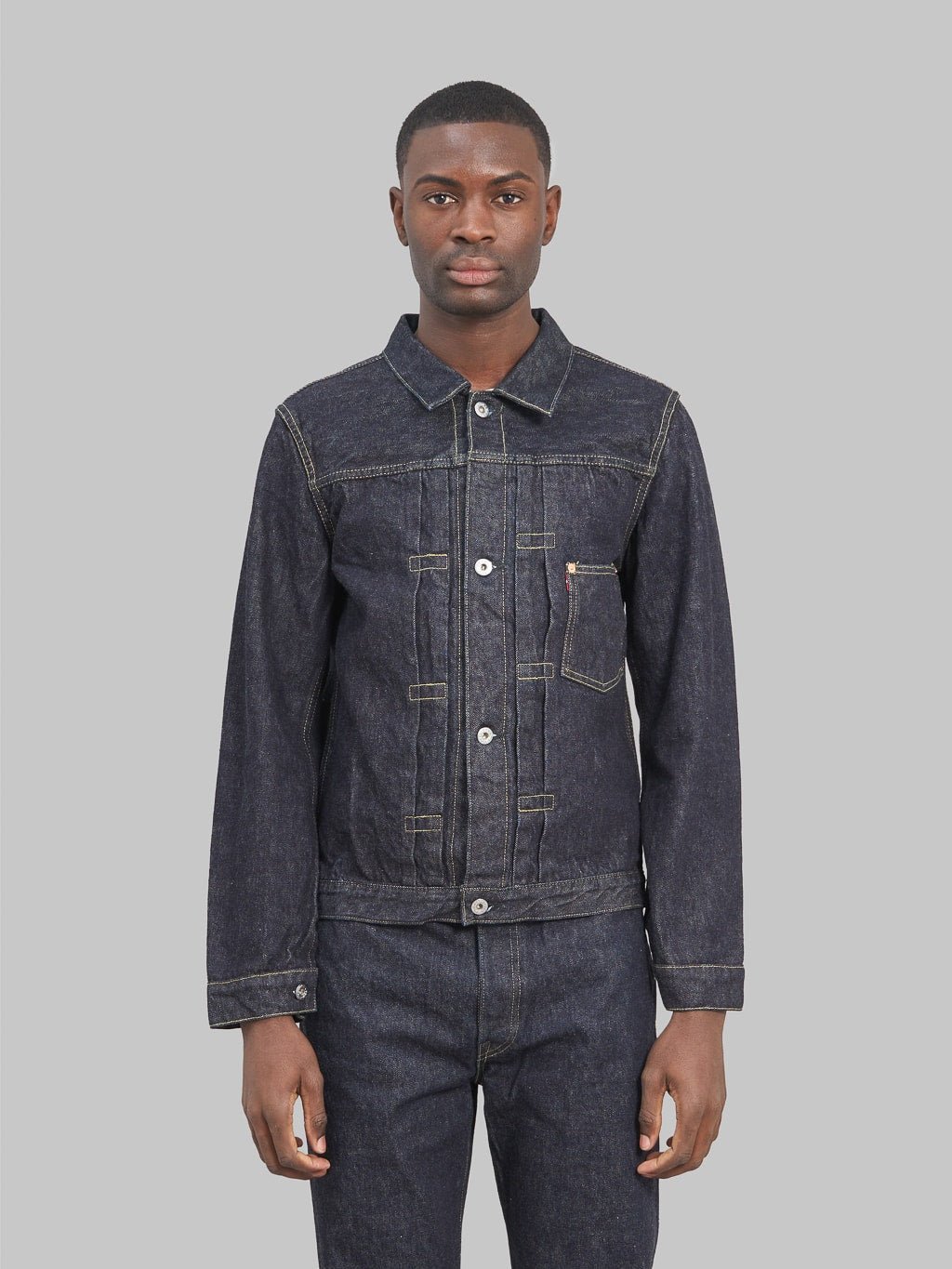
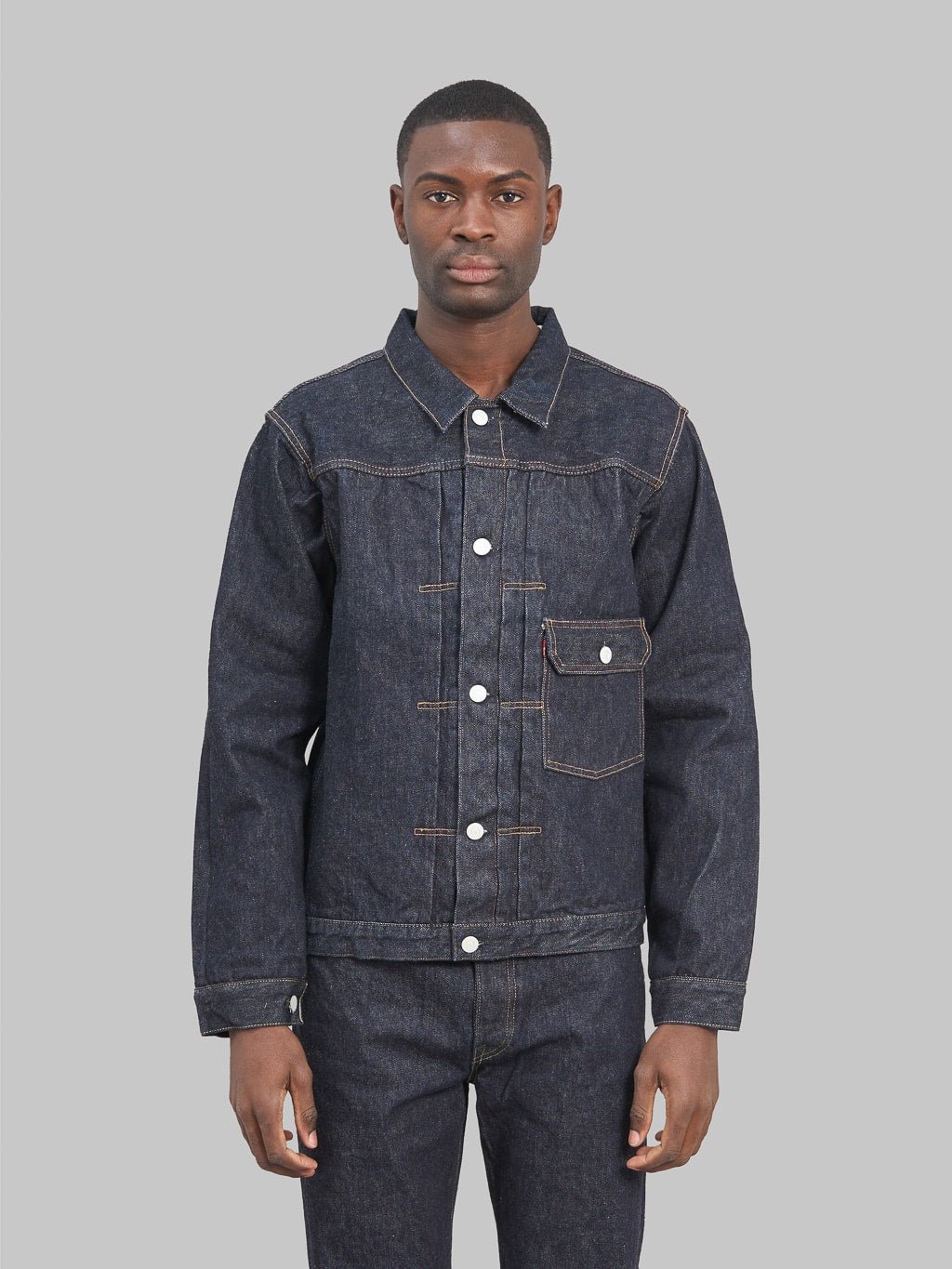
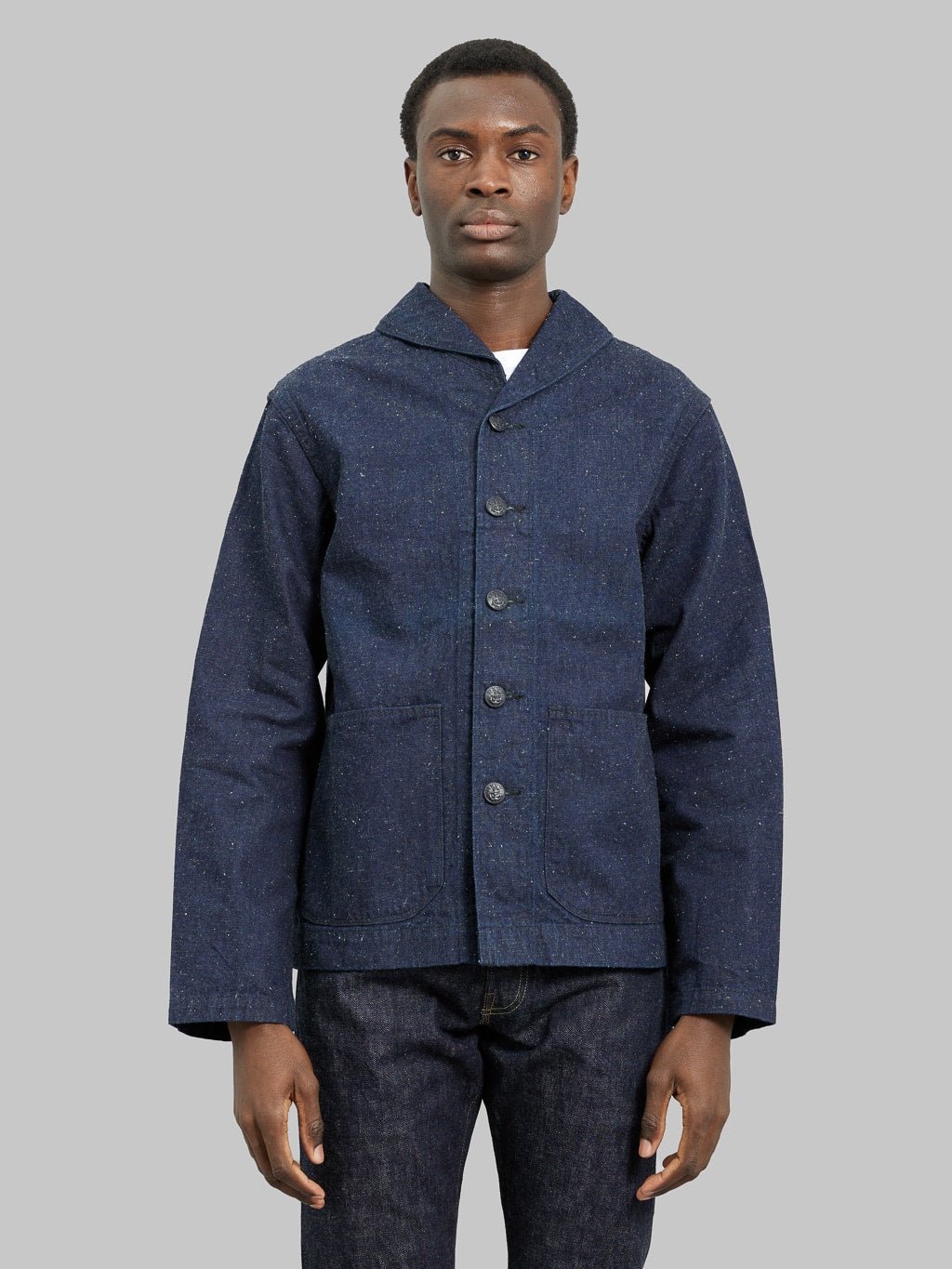
Jackets and outerwear run deep: the era denim jackets (30s Type I, S40s, 50s Type II, 60s Type III), plus the Catface jacket, the Cat Head jacket, the Cats Drive jacket, the Purrcules jacket, and collaboration pieces with Workers and WCH. Shirts include the Ranchman selvedge denim western, the Uncle Cat shirt, and detachable-collar work shirts. Trousers and workwear cover Catface trousers, Cat Head and Cat Worker pants, Carpenter pants, 50s Baker pants, and painter shorts. Vests, hats, tees, and accessories round it out, from the Huntsman vest to 30s and 40s denim caps to loopwheel-feel tees and even a chenille cat towel.
The jackets in detail
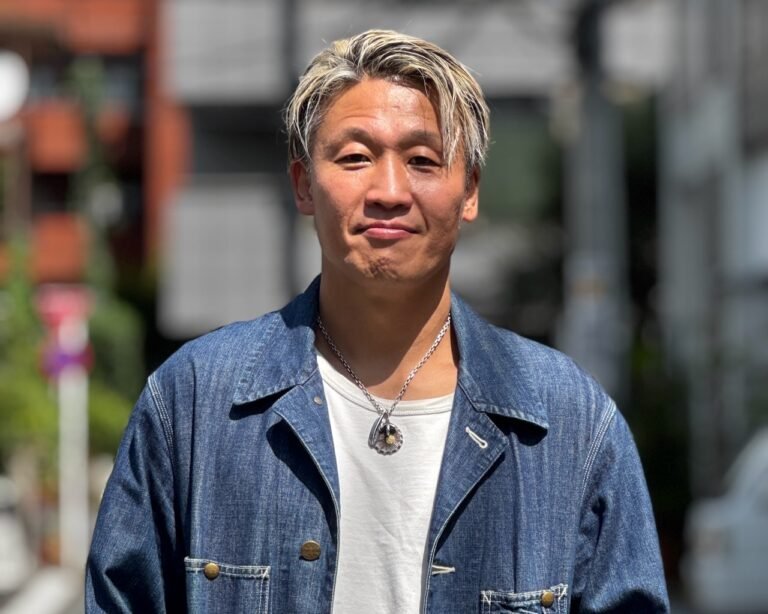
The denim jackets deserve their own note because they track the same era logic as the jeans and pair naturally with them for a matched fade. The 30s Type I is the earliest, single-pocket, pleated silhouette. The S40s is the wartime jacket with simplified wartime details. The 50s is the Type II, and the 60s is the classic Type III trucker. Buy a jacket and jean from the same era and they will age together as a set.
Who buys TCB, and what they value
The typical TCB owner is a denim person who cares about historical accuracy and honest construction more than about a fashionable cut or a big brand name. Many are on their second or third serious pair and have realized they would rather own three faithful TCB pairs than one pair from a pricier label. What they value is transparency, that Inoue makes it himself on the right machines, and value, that a period-correct selvedge jean can cost about $220. The fades are the payoff. Because the denim is proprietary and rope-dyed, it breaks with strong character comparable to far more expensive brands, which is exactly why TCB has become a word-of-mouth favorite.
Fit and sizing
Verdict: buy your measured waist and read the era, because the cut changes decade to decade. Most TCB denim is unsanforized but sold one-washed, which means the bulk of the shrink is already out and you are close to buying the size you keep. Always confirm on the specific product, since a few pieces are sold one-wash and a few loomstate.
The bigger variable is the era. The 20s, S40s, and 30s carry high rises and roomy thighs true to their periods, while the 60s is the slimmest of the straight cuts and the 50s Slim T is the tapered option. None of these are modern skinny jeans. Because TCB reproduces real vintage patterns, the rises sit higher than most people expect, so check the front-rise and thigh measurements a good stockist lists rather than assuming. Since I have not measured a pair myself, treat this as guidance from the brand and retailer specs, and lean on a stockist like Redcast or Okayama Denim that publishes full measurements and answers sizing questions.
The honest downsides
Cuts are vintage, not modern. High rises and straight legs are the whole point, but if you want a contemporary slim or tapered-skinny fit, only the 60s and 50s Slim T come close, and even they are honest straights.
No heavyweight monsters. TCB lives in the roughly 10oz to 14oz range true to the eras it reproduces. If you specifically want 21oz-plus rope-fading heavyweight denim, look to Samurai, Iron Heart, or Oni instead.
Stock and sizing move fast. Because it is a small in-house workshop with strong word of mouth, popular sizes and models sell through, and some pieces are limited or being retired, like the 30s in 2026.
The cat theme is a point of view. The branding is charming to most and a bit much for a few. On the core era denim it is subtle, but the cat-named pieces wear their identity openly.
Where to buy TCB
Prices were checked in August 2026 and vary with exchange rates and duty, so confirm on the page.
- United States: Withered Fig and Okayama Denim, both English-language with full measurements.
- Europe: Redcast Heritage in Spain, which ships across the continent and publishes detailed specs and fit photos.
- Australia and worldwide: Okayama Denim ships worldwide, and the brand’s own store ships internationally, which covers Australian buyers.
- Direct: the TCB official store for the full range and the cat-themed pieces at source prices in yen.
A word on import costs. Buying from Japan direct can look cheapest on the sticker, but duty, VAT or GST, and shipping can close the gap and complicate returns. Given how affordable TCB already is, a regional stockist like Redcast, Withered Fig, or Okayama Denim is often the smoother buy, and their published measurements matter on a brand cut this faithfully to vintage.
Frequently asked questions
Why is TCB so cheap compared to other Japanese denim?
Because Inoue owns the factory and makes everything in-house on vintage machines, with no outsourcing and no large brand markup. The denim is still proprietary selvedge woven for the brand and the construction is period-correct, so it is honest value rather than a decontented jean.
What does TCB stand for?
It began as Taking Care of Business, then became Two Cats Brand, after founder Hajime Inoue’s two cats and inspired by the Levi’s Two Horse Brand patch.
Which TCB jean should I buy first?
The 50s for a classic regular-straight 1950s 501, the 60s if you want a slimmer straight, or the 50s Slim T if you want it tapered. The S40s is the pick for the roomiest, highest-rise wartime cut.
Is TCB denim sanforized?
Most is unsanforized but sold one-washed, so the bulk of the shrink is already out and you are close to buying the size you keep. Confirm on the specific product, since a few are one-wash and a few loomstate.
Does TCB make anything besides jeans?
Yes, a large range: denim and work jackets, western and work shirts, vests, trousers and workwear, hats, tees, and a whole cat-themed line, plus collaborations with Workers, WCH, and even Reebok.
How does TCB compare to Warehouse or Full Count?
All three are faithful reproduction houses. TCB wins clearly on price and on in-house transparency, while Warehouse offers more breadth of vintage models and Full Count a softer, more comfortable cotton. TCB is the value champion of the three.
Where can I buy TCB outside Japan?
Withered Fig and Okayama Denim in the US, Redcast Heritage in Europe, and Okayama Denim or the official store worldwide including Australia. Links are in the Where to Buy section above.
Related reading
- 36 Japanese Denim and Americana Reproduction Brands: A Field Guide
- The Best Heavyweight Japanese Selvedge Jeans You Can Actually Wear
- How to Build a Classic American Casual Amekaji Wardrobe
Sources
- Heddels, TCB Jeans, the Two Cats Brand, history, philosophy, iconic products (founder background, founding, name, models, fabrics, pricing)
- Rope Dye, exclusive interview with Hajime Inoue of TCB Jeans (philosophy, approach)
- TCB official store, tcbjeans.com (full range, cat line, Japanese pricing, imagery)
- Redcast Heritage and Okayama Denim, TCB collections (models, specs, fit photos, US and EU pricing)
Last updated: August 27, 2026. This is a researched brand study, not a hands-on review. When a pair is measured and worn in, this page will be updated with a full measurement table and dated fade photos.