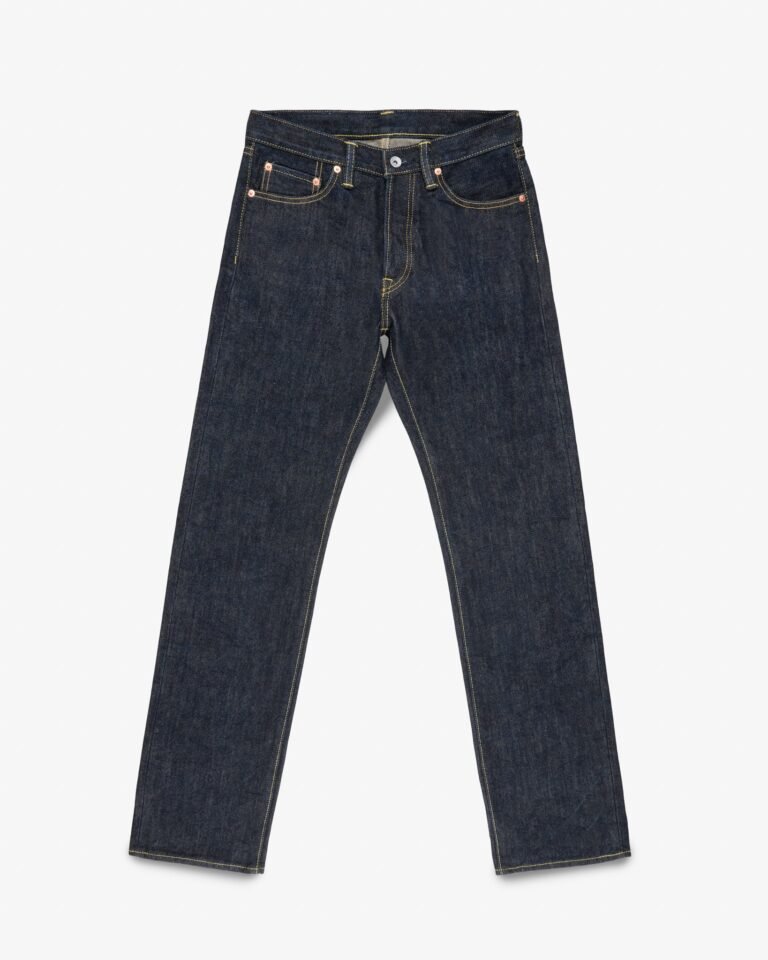
Studio D’Artisan Brand Guide: Osaka Five Denim Pioneer
Studio D’Artisan is the brand that started all of this. Founded in Osaka in 1979 by Shigeharu Tagaki, it was the first Japanese label to take vintage American workwear seriously enough to rebuild it properly, and every reproduction brand you love owes it a debt. If you want one sentence to carry out the door: this is a maker for the man who wants character, natural-indigo depth, and genuine craft history stitched into his wardrobe, and who is happy to trade strict single-era accuracy for personality. It is not the most literal 1:1 reproduction house in Japan. It is arguably the most characterful. Here is the full guide: the founder story, why the Osaka Five matter, the pig, the denim lineup, the whole wardrobe beyond jeans, sizing, the honest downsides, and where to buy it across the world.
A note on how we cover brands: we do not own these specific pieces. This guide is built from Studio D’Artisan’s own information, verified retailer specs, and reports from owners who have lived in the clothing. Where a claim is contested or a spec is not disclosed, we say so plainly. Some links below are retailer links. We only point you to shops we would actually use, and nothing here is sponsored or gifted.
At a glance
- Founded: 1979, Osaka, by Shigeharu Tagaki
- Claim to fame: First of the Osaka Five, pioneer of the entire Japanese reproduction movement
- House identity: Natural indigo, hand-craft techniques, playful high-end character, the two-pigs logo
- Core denim: SD-101, SD-103, SD-107, SD-108, plus the D-series (D1826 New Ivy and others)
- Fabric: Mostly 13.5oz to 16oz selvedge, woven on vintage Toyoda shuttle looms in the Okayama region
- Beyond denim: Type I, II and III jackets, sashiko and boro pieces, selvage flannels, loopwheel sweats and tees
- Price (denim): roughly $200 to $350 USD for core jeans, more for limited and specialty runs (checked August 2026)
- Made in: Japan
- Best for: The man who wants craft history and real character, not a sterile copy
- Skip if: You want the most literal single-year reproduction, or the quietest possible jean
The founder and the first move
In 1979, Osaka, a man named Shigeharu Tagaki did something nobody else in Japan was doing. The good American deadstock was drying up, prices were climbing, and Tagaki decided the answer was not to hunt harder for old Levi’s and Lee, but to build clothing to that standard from scratch. Studio D’Artisan was the result, and it is widely credited as the first Japanese brand to obsessively reproduce vintage American denim. That is the origin point of a movement that now includes dozens of makers and a global audience.
Here is the detail that actually matters, and once you see it you cannot unsee it. Tagaki did not simply photocopy a 1955 jean. From the start, the brand referenced specific historical eras and then added its own ideas, blending American workwear with a streak of French atelier sensibility. The name itself, Studio D’Artisan, tells you the posture: the artisan’s studio, not the factory floor. That decision, original design rooted in the past rather than strict single-year replication, is the brand’s DNA and the thing that separates it from more literal repro houses. Keep that in mind, because it explains both the best and the most divisive things about the label.
The Osaka Five, and why the order matters
If you spend any time in this world you will hear the phrase “Osaka Five.” It refers to the five Osaka-area brands that built the foundation of Japanese repro denim. Studio D’Artisan came first, in 1979. The others followed over the next decade and a half: Denime, Evisu, Fullcount, and Warehouse, arriving between roughly the late 1980s and the mid 1990s. Exact founding years vary depending on which account you read, so treat the later dates as approximate, but the sequence is not disputed. Studio D’Artisan was the opening act.
As the first of the Osaka Five, Studio D’Artisan set the pace the others would follow. It normalized the radical idea that a new pair of jeans could be worth more than a vintage original because of how it was made. That idea sounds obvious now. In 1979 it was close to heresy, and someone had to prove it first.
The pig, the lawsuit, and the sense of humor
Most brands in this space are reverent to the point of solemnity. Studio D’Artisan is not, and that is a feature. The house mascot is a pair of pigs, most famously shown pulling a pair of jeans apart between them, a wink at the old Levi’s two-horse patch. The pig reportedly nods to founder Tagaki’s rural roots, and it turns up everywhere: on leather patches, woven into jacquard, and across graphic pieces where the pigs have been drawn fighting Godzilla, posing as the Beatles, and driving tanks.
The two-pigs-pulling-a-jean image is widely reported to have drawn legal attention from Levi Strauss over its resemblance to the two-horse patch, and the mascot survived as the brand’s signature. We have not been able to confirm the full details of any legal action from a primary source, so treat that as the commonly repeated version of the story rather than settled fact. What is not in doubt is the attitude. This is a serious craft brand that refuses to take itself too seriously, and for a lot of men that is exactly the appeal.
Philosophy: natural indigo and the slow way
Strip away the humor and Studio D’Artisan is as obsessive as anyone. The brand leans hard on natural indigo, tennen ai-zome, including indigo fermented in the traditional Awa style associated with Tokushima. Natural indigo behaves differently from synthetic. It fades with more variation and can throw deeper greens and warmer reddish-browns as it ages, rather than the flatter fade a purely synthetic vat gives you. That is not marketing. It is chemistry, and it is the reason natural-indigo pieces cost more and take longer to make.
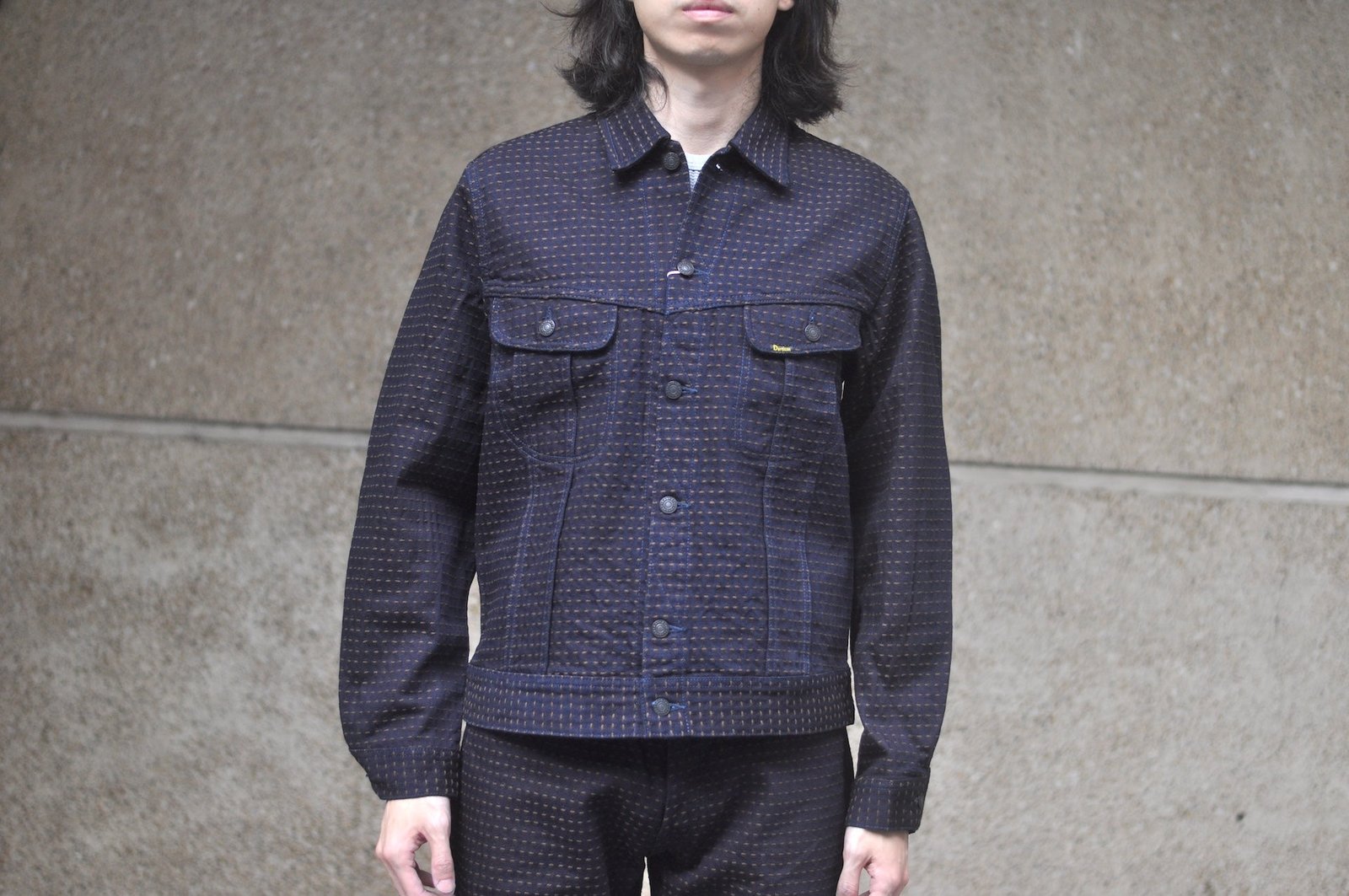
The brand also works in techniques most denim makers never touch: sashiko, the running-stitch reinforcement that becomes a textile in its own right; boro, the patched-and-layered mending tradition; wabash, the old dot-pattern workwear print; and Amami Oshima mud-dyeing, a labor-intensive iron-rich mud process from the Amami islands that yields deep, warm blacks and browns. Weaving happens on vintage Toyoda shuttle looms in the Okayama denim heartland, which run slowly and produce the irregular, characterful selvedge fabric the whole niche is built on. Mills reported in connection with the brand include Kuroki and Collect Mills, though Studio D’Artisan does not always disclose the exact mill per fabric, so we will not pin a specific mill to a specific model unless the brand states it.
The denim lineup
Studio D’Artisan’s core jeans are organized around a handful of numbered fits, and once you learn them the catalog stops being confusing. This is the part people get wrong, so let us be specific.
| Model | Cut | Rise | Notes |
|---|---|---|---|
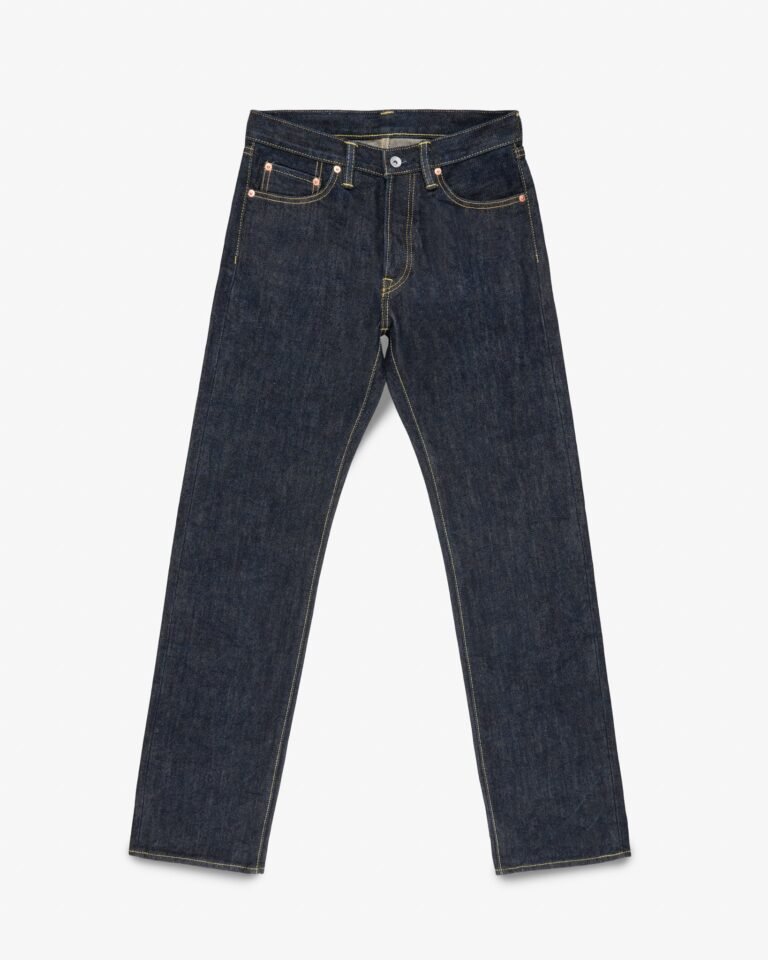
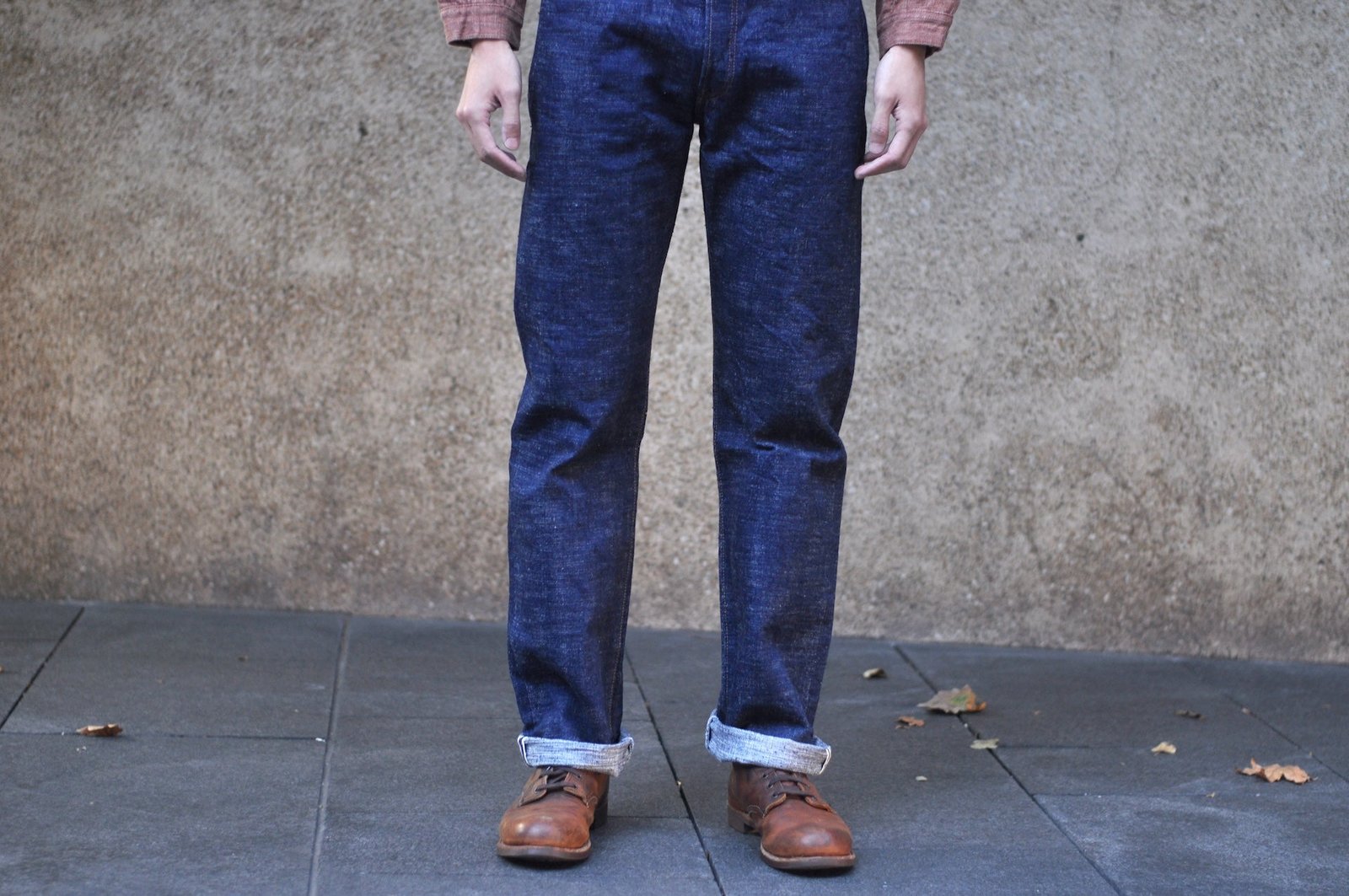
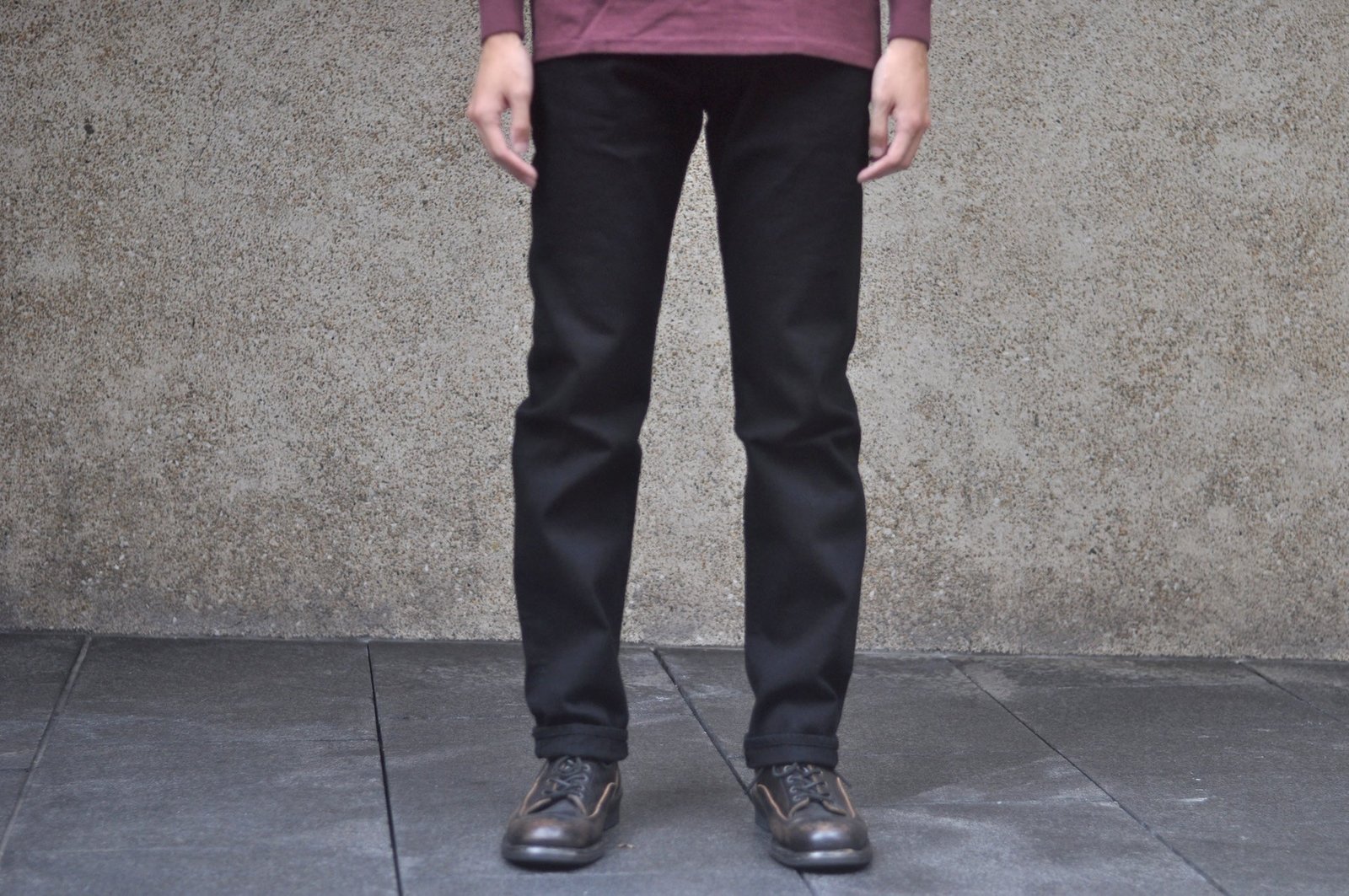
| SD-101 | Regular straight | High | The SDA classic. Most forgiving across body types, roomiest of the core four. |
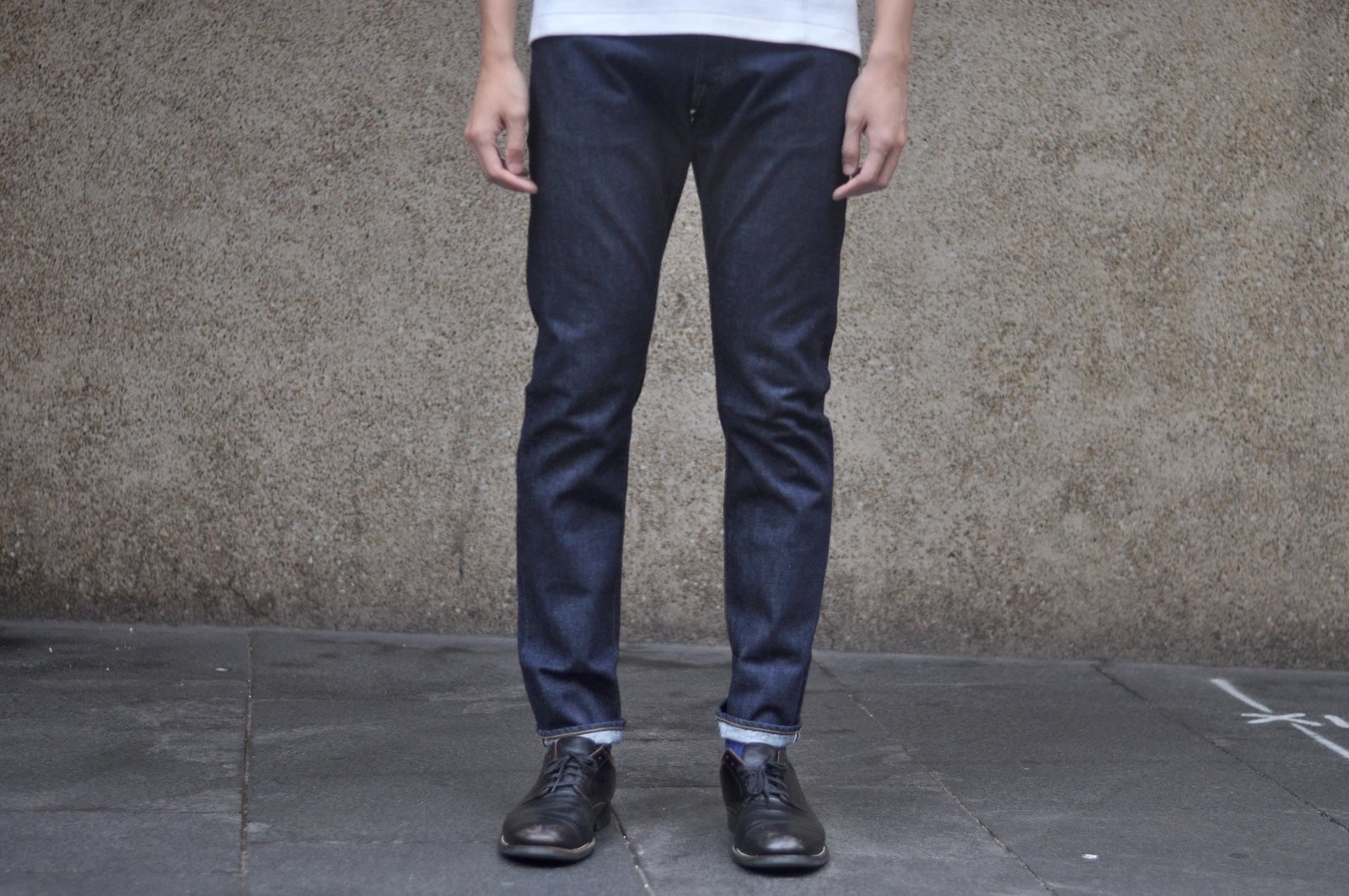
| SD-103 | Tight straight | Medium to low | 1960s-leaning silhouette, slimmer than the 101. The signature everyday cut. |
| SD-107 | Super tight straight | Low | The slimmest core fit. Made for lean legs. Skip it if you carry any thigh. |
| SD-108 | Relaxed tapered | Mid | Roomy thigh, tapered leg. The modern, comfort-forward option. |
| D1826 New Ivy | Relaxed tapered | Mid | 13.5oz, an approachable weight and price. A good first SDA. |
Most of the core denim sits in the 15oz range, with the D-series dipping to a friendlier 13.5oz and the specialty and anniversary pieces climbing to 16oz and beyond. The fabric tends to run slubby and characterful rather than smooth and clean, which is the point. Some models, including certain runs of the SD-103, are sold unsanforized, meaning loomstate fabric that has not been pre-shrunk and will shrink when it first meets water. Others are sold one-washed or sanforized and behave closer to their tagged size. Always check the individual listing, because the brand runs both.
The whole wardrobe, not just jeans
Here is where a lot of guides stop short. Studio D’Artisan is not a jeans brand that dabbles in other things. It builds a full amekaji wardrobe, and some of the most interesting pieces in the catalog are not denim at all.
Jackets
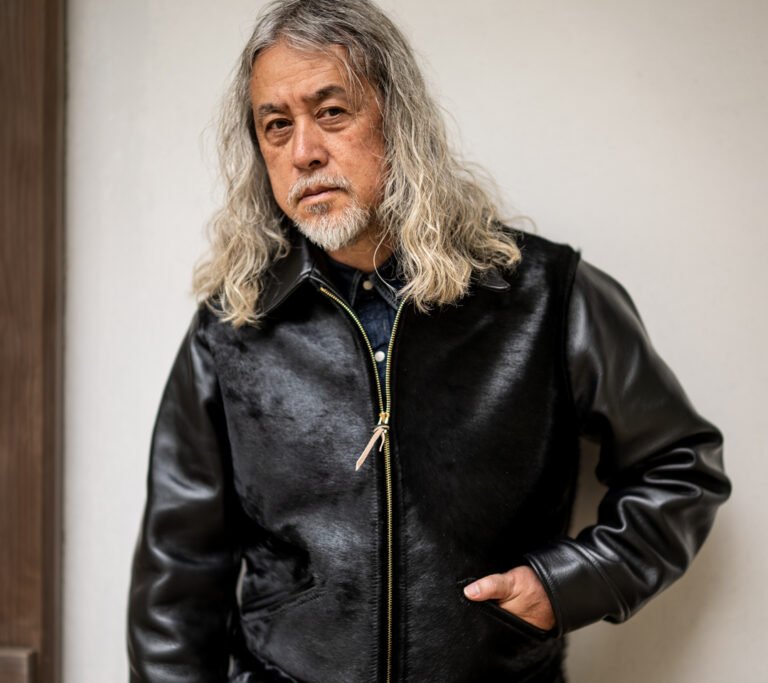
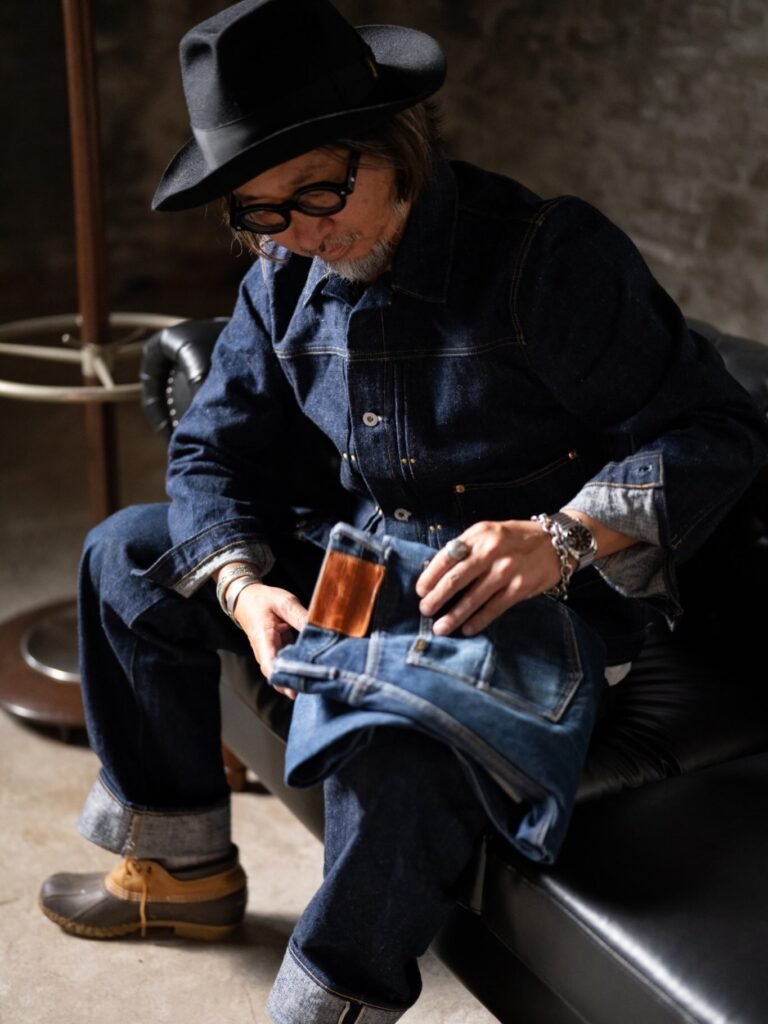
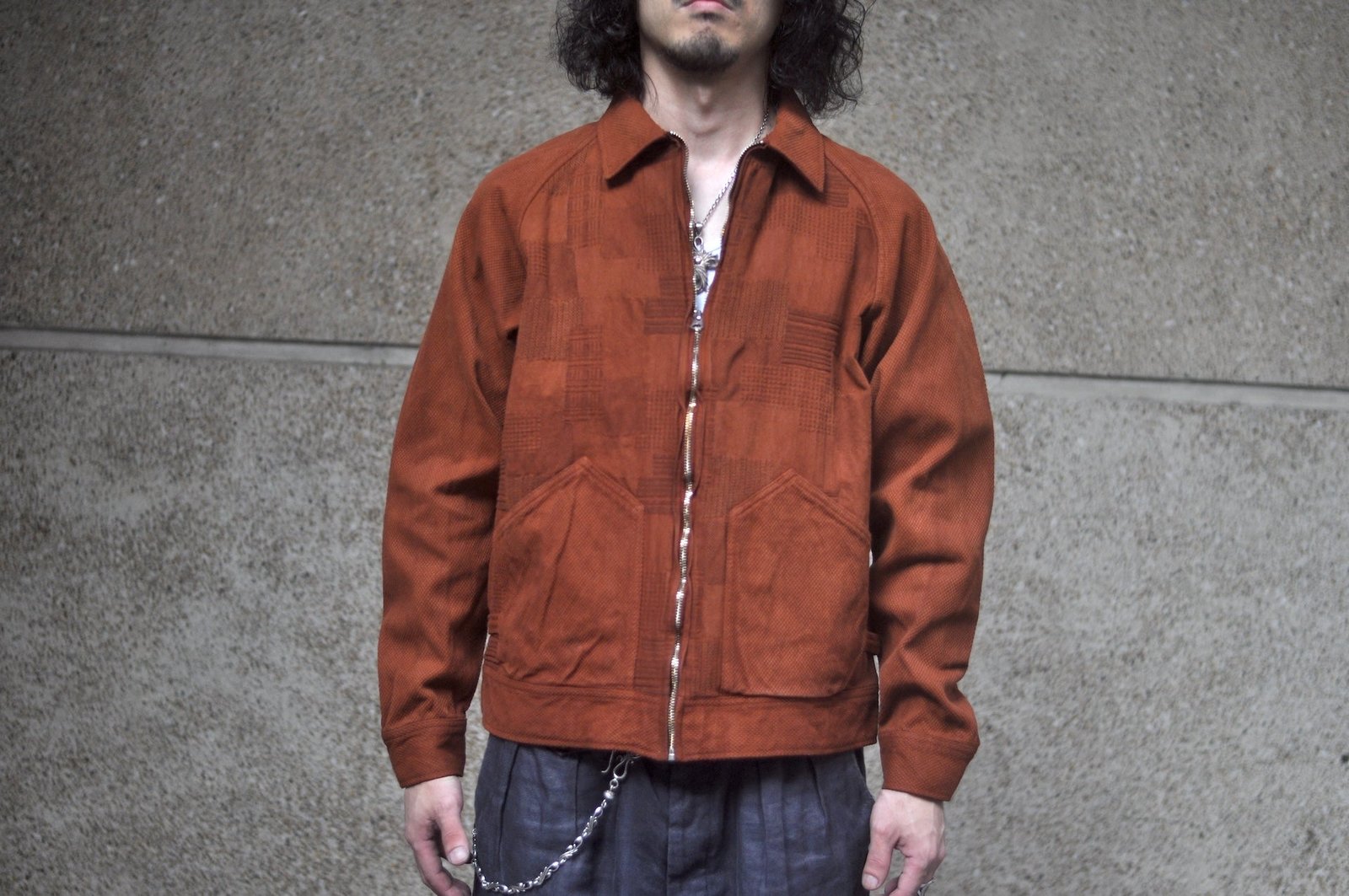
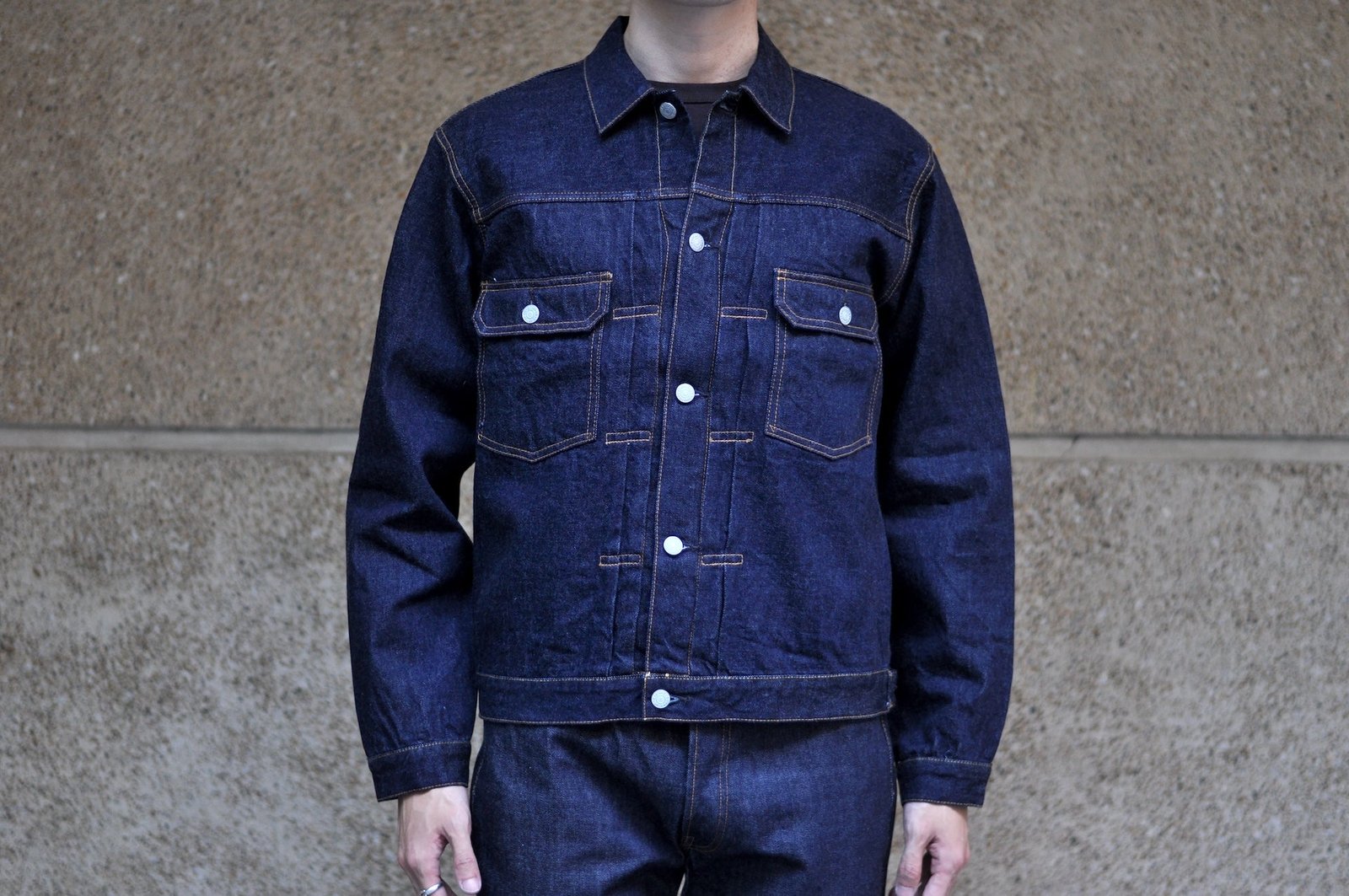
The full trucker family is here: Type I with the single pleated chest pocket, Type II with the twin pleats, and Type III in the slimmer modern cut, in weights from everyday 13oz up to heavy 18oz specialty fabrics. Beyond the truckers, the brand builds ranch jackets, coverall and worker jackets, and boro-styled pieces that turn mending into the entire design.
Shirts
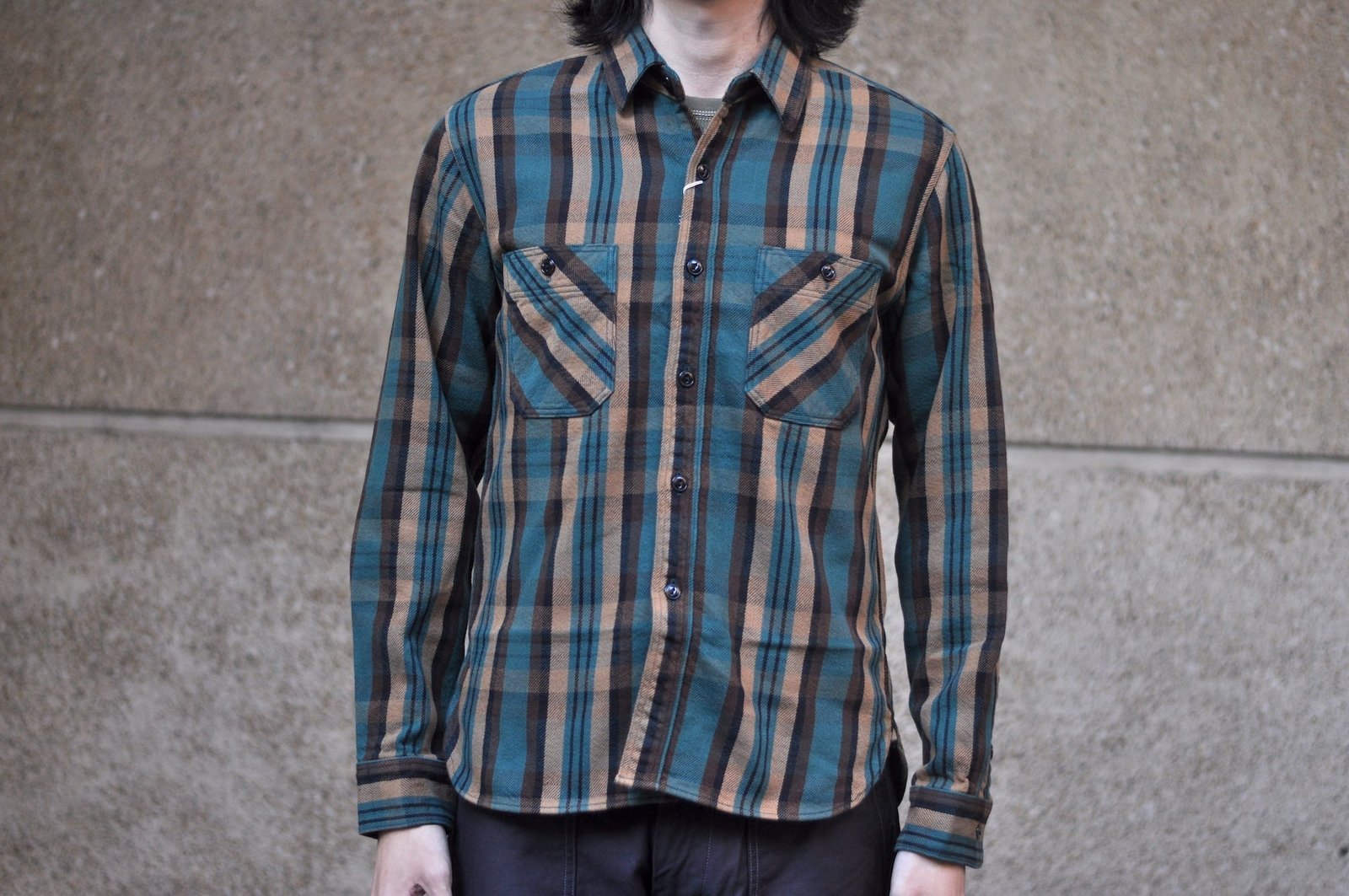
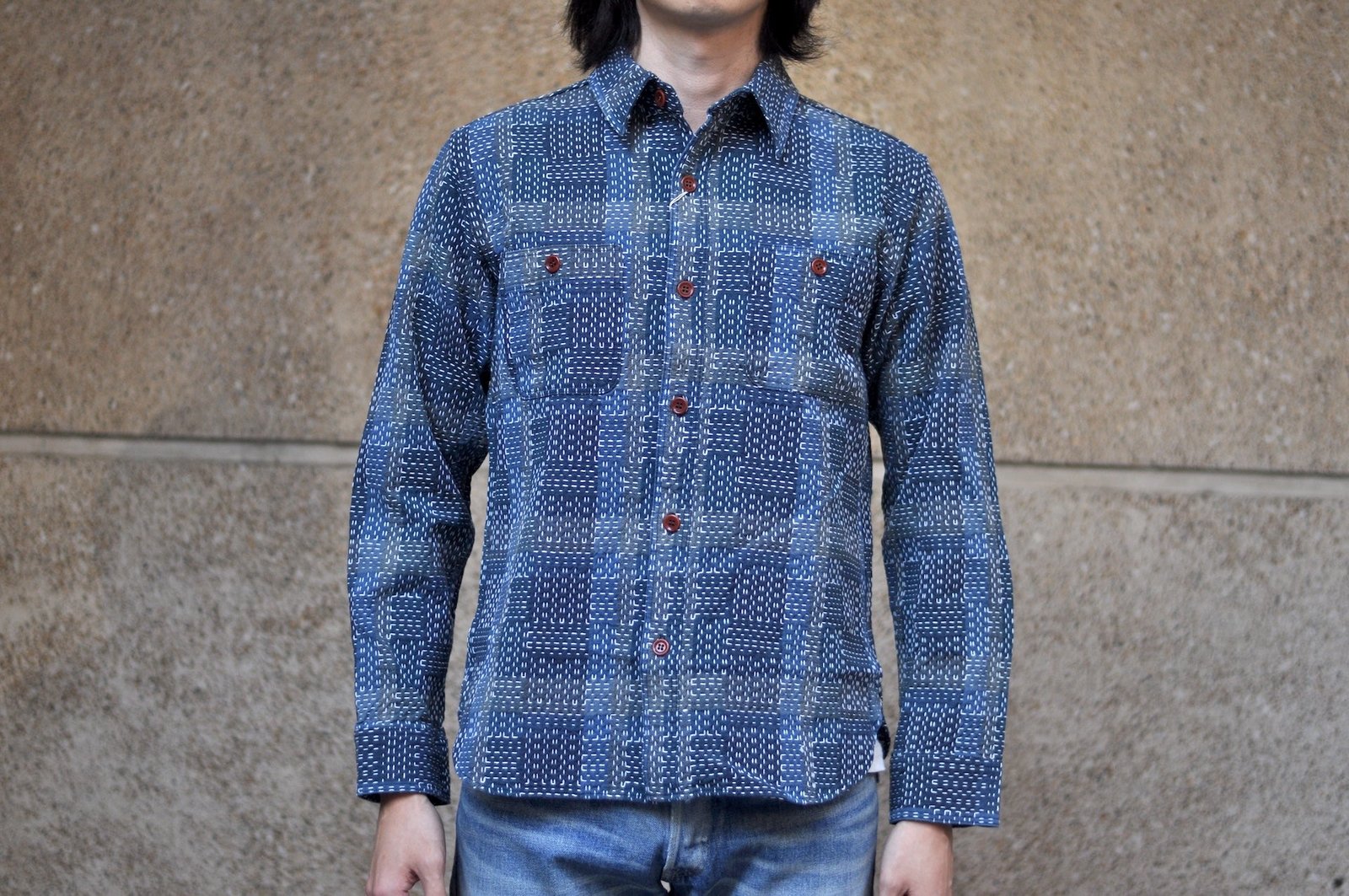
The shirt program is genuinely deep. Selvage flannels run heavier and denser than most flannels you will find, in the 11oz range. There are indigo-dyed sashiko workshirts, noragi work shirts cut in the traditional Japanese style, chambray and denim western shirts, and lighter natural-indigo shijira weaves for warm weather. If you only think of Studio D’Artisan as a jeans brand, the shirts are the part of the catalog most likely to surprise you.
Sweats and tees
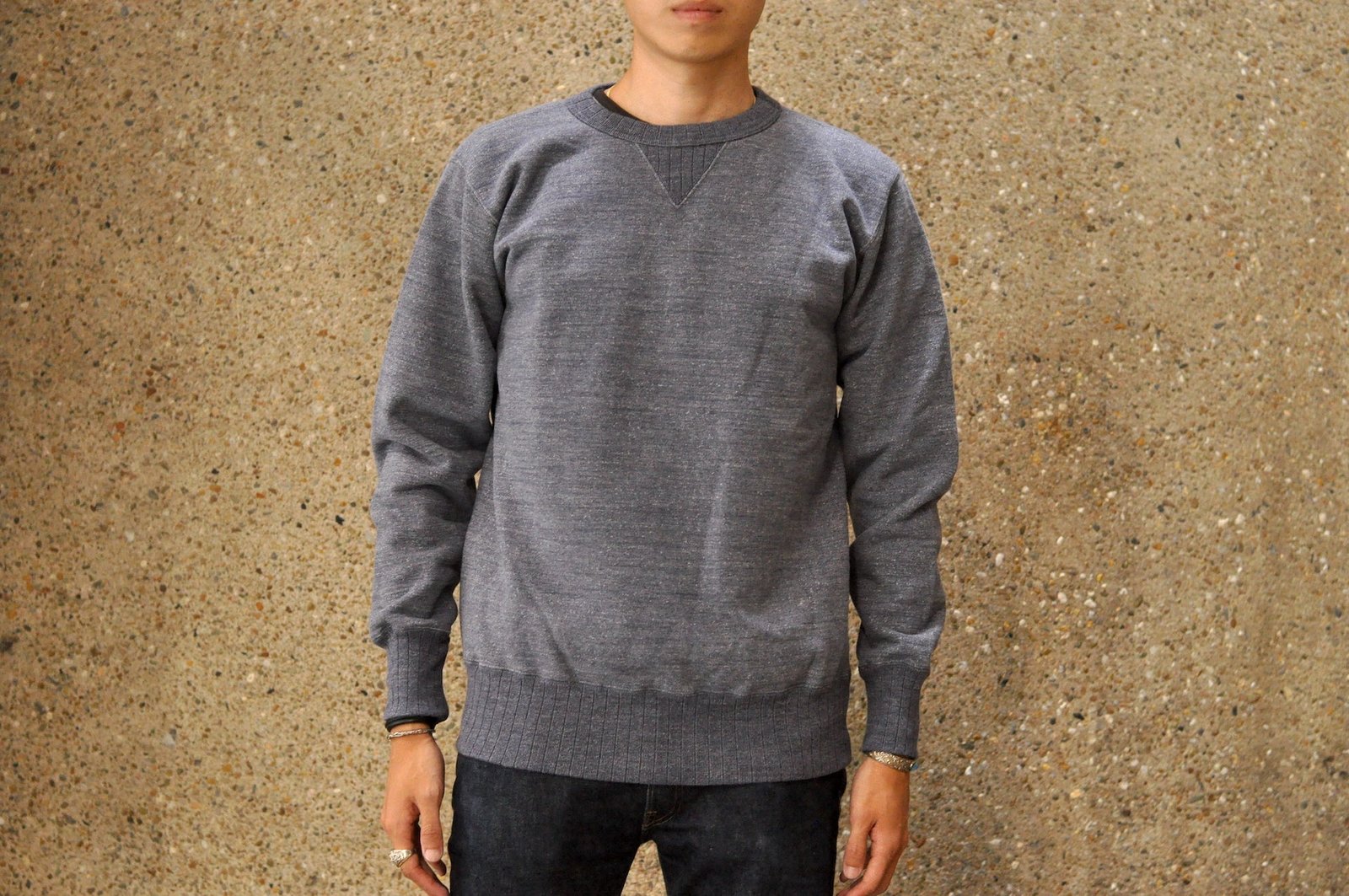
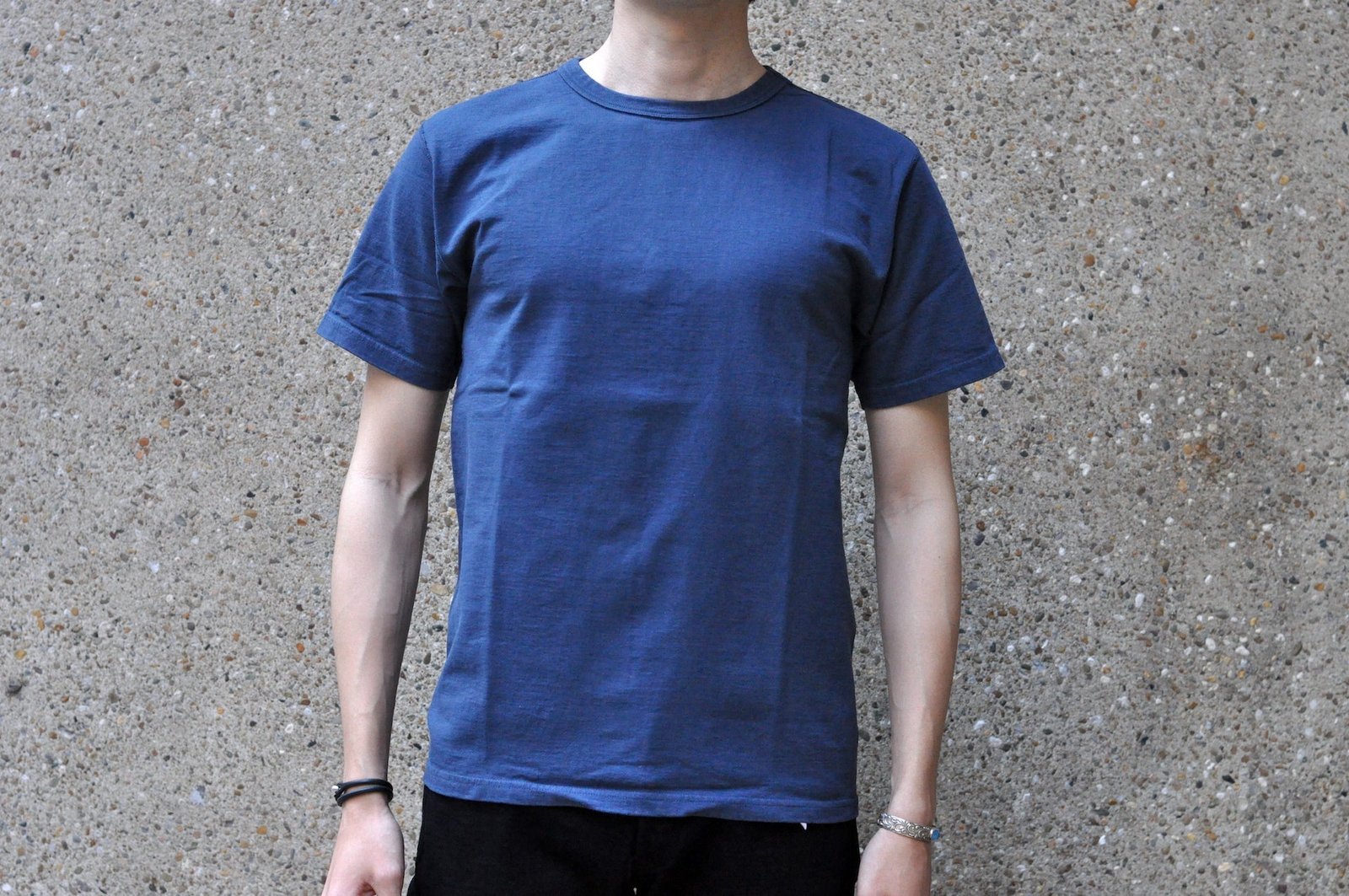
The knits are built the slow way too. Loopwheeled sweatshirts and tees are knit on vintage loopwheel machines that produce a tubular, nearly seamless body with a soft, dense hand you cannot get from modern high-speed knitting. The brand runs its own Suvin Gold long-staple cotton in some pieces and tsuri-ami loopwheel jersey in others. These are the quiet foundations of the wardrobe, the pieces you reach for without thinking, and they are made with the same seriousness as the denim.
Who it is for
Studio D’Artisan is for the man who wants his clothing to have a point of view. If you love the idea that a jean can carry natural indigo, a bit of humor, and a genuine link back to the birth of this whole movement, this is your brand. It rewards the wearer who wants character over minimalism, and who appreciates that a slubby, irregular fabric is a choice, not a flaw. It is also a strong pick if you want to explore beyond denim into sashiko, boro, and loopwheel knits from a single maker who does all of it seriously.
Sizing and fit
Verdict: check whether your specific model is sanforized or unsanforized before you choose a size, because it changes everything. Studio D’Artisan uses Japanese tagged sizing, and the fits run from the roomy SD-101 to the very slim SD-107. As a general guide reported by retailers and owners, the unsanforized raw models shrink meaningfully after their first hot soak, on the order of roughly 3 to 5 percent, so you size to your measured waist and let the shrink bring it in, or you buy a touch large and soak. Sanforized and one-washed models sit much closer to their tagged measurements out of the box.
Because we do not own these specific pieces, we are not going to hand you a measured shrink table pretending it is ours. Instead, do this: read the exact product listing for your model, note whether it says sanforized, one-washed, or unsanforized or raw, and use the retailer’s own measurement chart for that fit. A shop like Okayama Denim or Denimio lists garment measurements per size, which matters more than the tag. If you are between sizes in an unsanforized model, most owners advise sizing so the post-soak waist lands at your true measurement rather than buying tight and hoping.
The honest downsides
No brand is right for everyone, and this is the section that earns the rest.
It is not the most literal reproduction on the market. If your goal is a strict, single-year, detail-for-detail copy of one specific vintage jean, brands like Warehouse or TCB lean more purist. Studio D’Artisan reinterprets more than it replicates, and a period-accuracy obsessive may find it too free with the details.
The character can be a lot. Heavy slub, strong natural-indigo casts, and specialty dyes like kakishibu and mud make for garments with real personality. If you want the cleanest, most uniform, quietest possible jean, some SDA fabrics will feel too busy for you.
Price and stock. These are premium prices, and the most interesting pieces are often limited runs that sell through and do not return. Western stock can be thin, sizing in slim fits can be hard to find, and buying from Japan brings import considerations, which we cover below.
Sizing takes homework. The mix of sanforized and unsanforized models across the line means you cannot assume. Getting it right requires reading the specific listing, which is friction some buyers will not enjoy.
Where to buy Studio D’Artisan
Prices below are approximate and were checked in August 2026. Currency and stock shift, so confirm on the page.
- United States: Self Edge carries SDA in-store and online. Okayama Denim and Denimio ship worldwide from Japan and list full per-size measurements.
- United Kingdom: Clutch Cafe in London stocks the brand and ships internationally.
- Europe: Redcast Heritage in Spain carries Studio D’Artisan and ships across the EU.
- Australia: BlackBlue in Melbourne stocks the brand locally.
- Asia and worldwide: Hinoya in Tokyo and Corlection both ship globally.
Import note for buyers outside Japan: ordering direct from a Japanese shop can be the best way to reach a specific model or size, but budget for duty and local sales tax or VAT on arrival, which is the single most common unpleasant surprise in this niche. Buying from a stockist in your own region avoids that friction, sometimes at a slightly higher sticker price.
FAQ
Is Studio D’Artisan the oldest Japanese denim brand?
It is widely credited as the first of the Osaka Five and the first Japanese brand to obsessively reproduce vintage American denim, founded in 1979. Other Japanese denim makers existed earlier in different forms, so the precise, careful claim is that Studio D’Artisan pioneered the modern reproduction movement, which is the version we can support.
What does the pig logo mean?
The two-pigs mascot is the brand’s signature, most often shown pulling a pair of jeans apart in a nod to the old Levi’s two-horse patch. It is reported to reference founder Shigeharu Tagaki’s rural roots, and it signals the brand’s playful streak within an otherwise very serious craft tradition.
Are Studio D’Artisan jeans sanforized or unsanforized?
Both, depending on the model. Some runs, including certain SD-103 versions, are sold unsanforized and will shrink at first wash. Others are sanforized or one-washed and stay close to their tagged size. Always check the specific product listing before buying.
How much do Studio D’Artisan jeans cost?
Core denim runs roughly $200 to $350 USD depending on the model and retailer, with limited, natural-indigo, and specialty-dye pieces climbing higher, as checked in August 2026. Non-denim pieces range from around $90 for a loopwheel tee to several hundred for jackets.
What is the most popular Studio D’Artisan model?
The SD-103, a 1960s-leaning tight straight in 15oz, is the signature everyday cut and the most commonly recommended starting point. The SD-101 regular straight is the roomier classic, and the D1826 New Ivy is a friendlier weight and price for a first pair.
Does Studio D’Artisan only make jeans?
No. The brand builds a full wardrobe: Type I, II and III denim jackets, ranch and worker jackets, selvage flannels, sashiko and noragi workshirts, western shirts, loopwheel sweatshirts, and loopwheel tees, many using natural indigo and traditional craft techniques.
Where is Studio D’Artisan made?
In Japan. Denim is woven on vintage Toyoda shuttle looms in the Okayama denim region, and the brand uses traditional dye and craft processes including natural indigo and Amami Oshima mud-dyeing.
Is Studio D’Artisan worth it?
If you value craft history, natural-indigo depth, and real character, yes. If you want the most literal single-era reproduction or the quietest possible jean, a more purist brand may suit you better. It is a brand you buy for personality and heritage, and it delivers both.
Related reading
- The complete guide to Japanese denim brands
- The best heavyweight Japanese selvedge jeans
- Amekaji wardrobe basics for beginners
Sources
- Heddels, “Studio D’Artisan: Behind the Proprietors Of Japanese Denim As We Know It” (2020)
- Heddels, “The History Of The Osaka 5” (2014)
- Denimio Blog, “Studio D’Artisan Basic Collection Guide: SD-101, SD-103, SD-107, SD-108”
- Japan-Denim.com, “Studio D’Artisan Review: Inside the Osaka Five Brand That Started Japanese Selvedge” (2025)
- Retailer specifications and current listings from Okayama Denim, Corlection, Hinoya, and stuf-f (checked August 2026)
Last updated: August 27, 2026. We update these guides as owner reports and new releases come in.