How to Build an Classic American Casual Amekaji Wardrobe: The Beginner’s Guide to the 9 Essentials
Amekaji, short for American casual, is the Japanese love letter to American workwear and vintage clothing. This is the starter map: nine building blocks that turn a closet into a wardrobe you will still be reaching for in ten years.
Here is the whole guide in one breath. You do not need forty pieces to dress well in this world. You need nine, chosen well, in fabrics that get better as you wear them. Start with one pair of raw selvedge denim, meaning denim woven on a narrow shuttle loom with a self-finished edge, and build outward from there. Below you will find a specific pick for every budget and every body type, the exact order I would buy things in, and the honest downsides nobody puts on the product page. Every price is current as of August 2026 and sourced from the brand or a stocking retailer. Prices in this space move, so treat them as a guide, not a promise.
THE NINE BASICS, AT A GLANCE
- Raw selvedge denim is the anchor. Start here. Around $165 to $405.
- Henley tees build your everyday layer. Around $80 to $180.
- Denim jacket, built up Type I to Type II to Type III. Around $180 to $260.
- Fatigue pants for the military side of amekaji. Around $209.
- Chino pants, the clean counterweight to denim. Around $248.
- Boots, starting with Red Wing. Around $330 to $350.
- Chambray shirt, the budget starter you will keep for years. Around $205.
Best first buy: one pair of raw denim you will wear four days a week. Best value in the whole guide: a chambray work shirt.
A note on how this guide is built. These picks come from brand specifications, construction details, and long-standing consensus in the raw denim community, not from claiming I have personally worn all nine at once. Where a piece is a known quantity I say so plainly. Some links are affiliate links, which means if you buy through them the channel earns a small commission at no extra cost to you. It does not change what gets recommended, and nothing here is linked because it pays more. Product images are used for identification and are credited to their source, with a link to buy under each one.
1. Raw selvedge denim: start here, and buy for your body
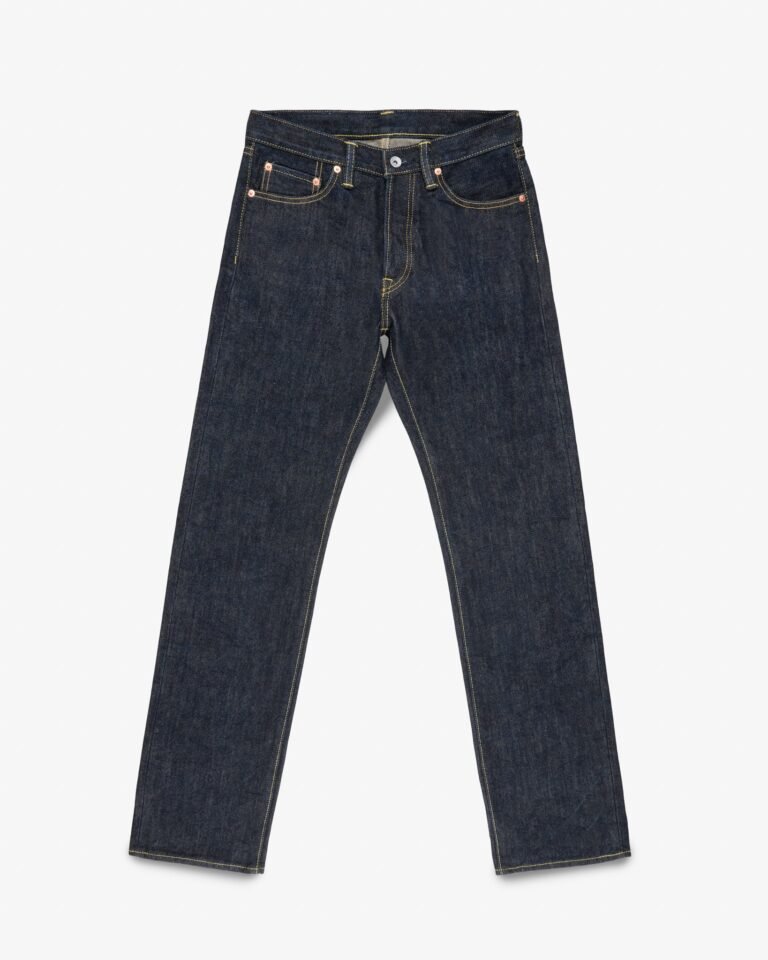
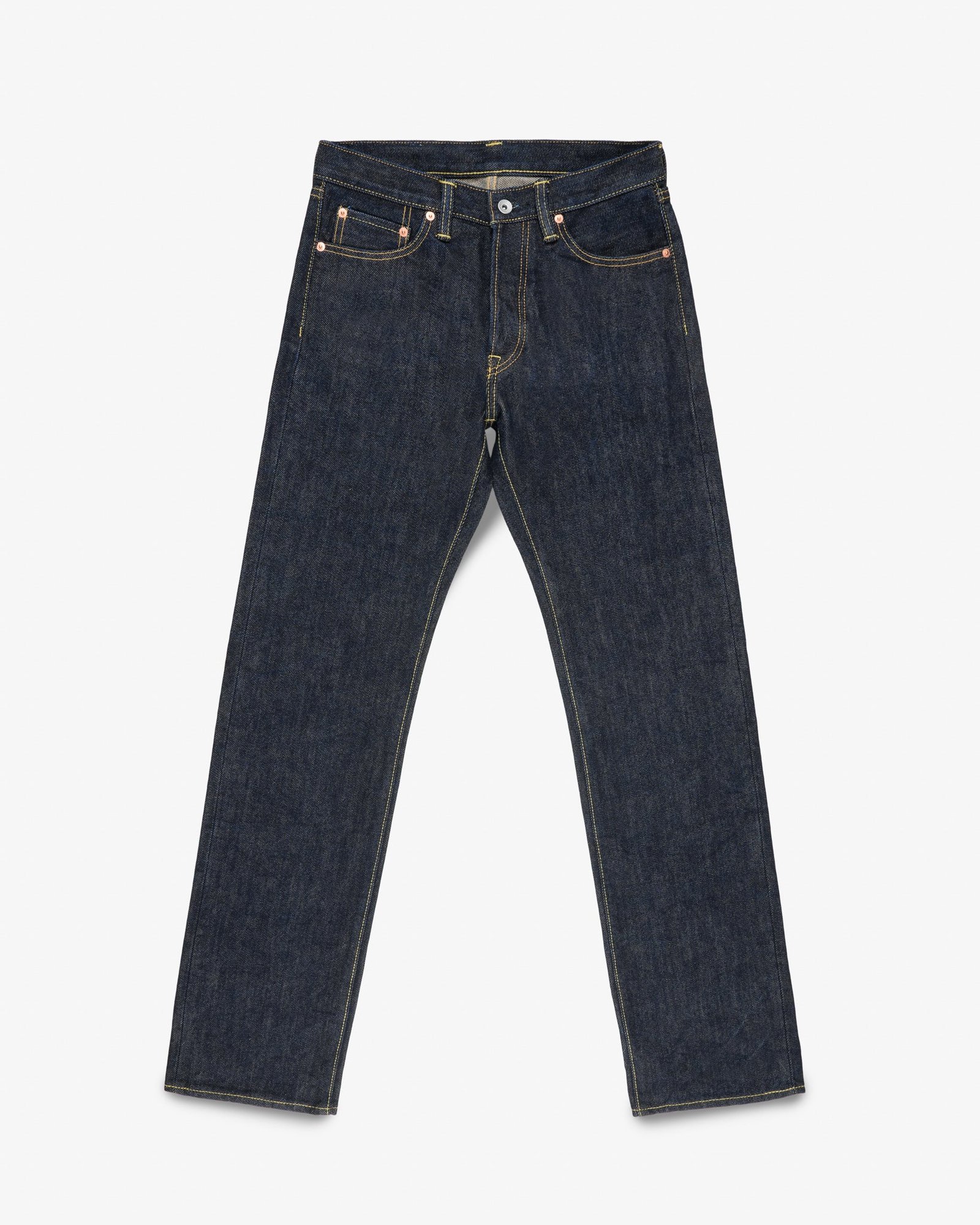
If you buy one thing from this list, buy the jeans. Raw denim, meaning denim that has not been washed or distressed at the factory, is the piece that records your life the hardest. Six months in, the fades sit exactly where you bend, sit, and carry. There is no faking that, and it is the whole reason this hobby exists. The trick for a beginner is matching the jean to how you actually live and how you are actually built. Here are three, for three different men.
The comfort all-rounder: Fullcount 1108
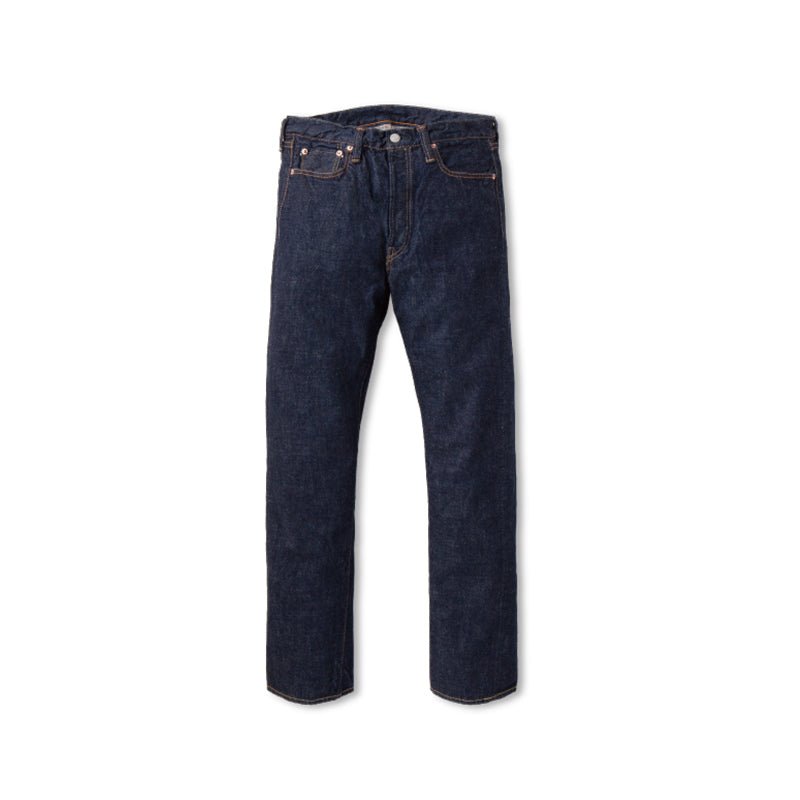
Fullcount built its name on soft Zimbabwe cotton, a long-staple cotton that gives their 13.7oz selvedge a hand, meaning the feel of the fabric, that breaks in faster and kinder than most. The 1108 is a slim-straight cut with a medium rise, the easiest silhouette for a first pair. If your priority is a jean you can wear all day from week one without a rough break-in, this is the one I point people to. Roughly 36,500 yen, about $245. If you have bigger thighs, size across to the Fullcount 1101, the roomier regular-straight in the same fabric.
Skip it if you want heavyweight denim or dramatic high-contrast fades. This is a medium weight built for comfort, not for the deepest fade contrast.
The heavyweight for the biker and the rugged wearer: Iron Heart IH-634S
Iron Heart is the brand for the man who rides, wrenches, or just wants his jeans to feel like armor. The IH-634S is built from their 21oz selvedge, a serious heavyweight, in a straight cut that takes the fabric well. This denim stands up on its own for the first few weeks and then slowly molds to you, and the fades it throws are as high-contrast as anything in the game. Around 319 pounds, about $405. It is heavy, it runs hot in summer, and the break-in is genuinely stiff. It is also the pair you will still own in fifteen years. If you want a slimmer leg, Iron Heart cuts the same fabric in tapered patterns too.
Skip it if you live somewhere hot and humid, or you want an easy first pair. Twenty-one ounces is a commitment.
The budget entry that is still the real thing: TCB 50’s
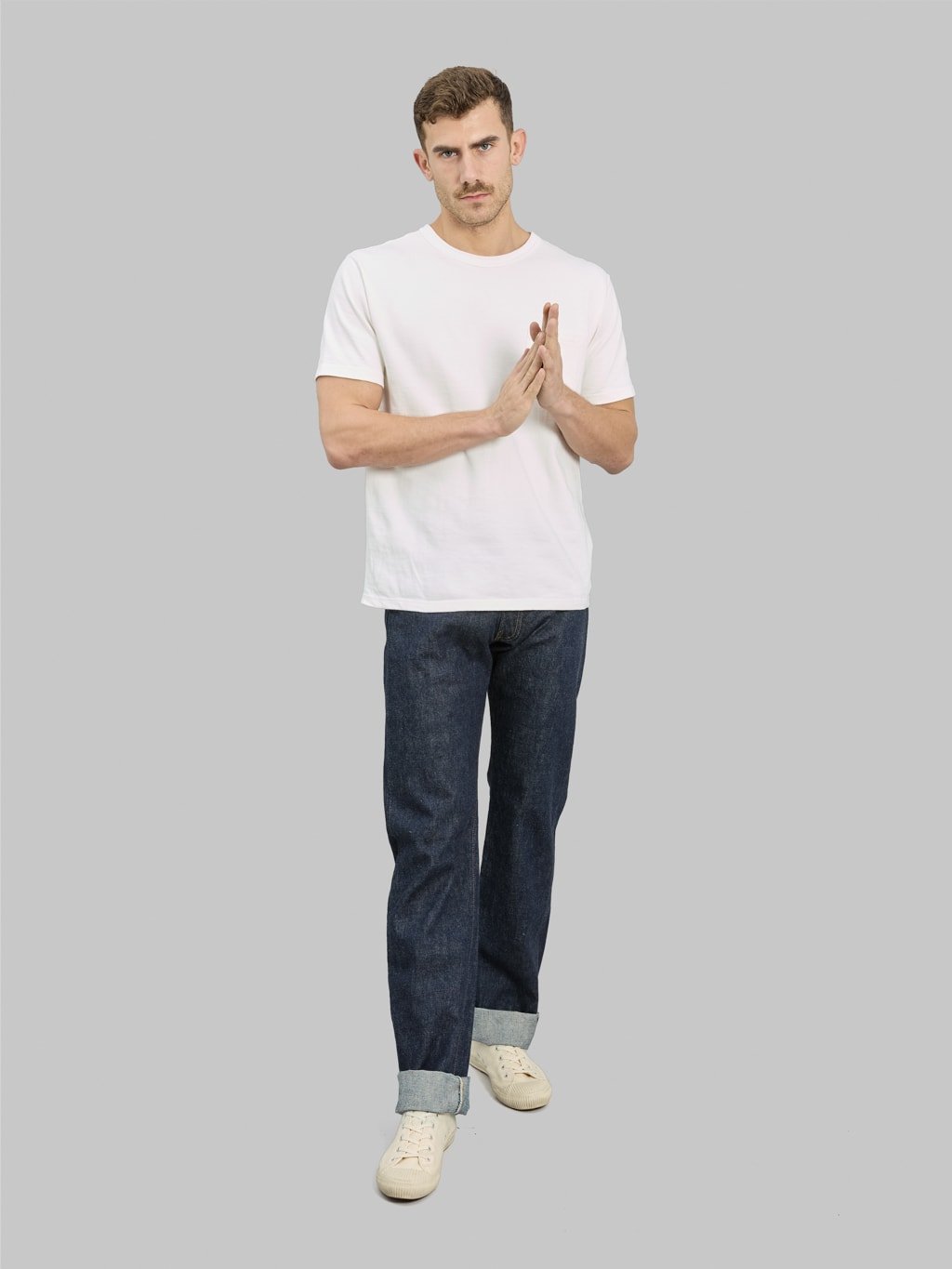
TCB, run out of Kojima in Okayama, makes some of the best value in all of Japanese denim. The 50’s is their faithful reproduction of a 1950s straight-leg five-pocket, in 13.5oz selvedge, and it costs a fraction of what the prestige brands charge without cutting the things that matter. You still get the shuttle-loomed fabric, the period-correct details, and fades that earn their keep. Around 24,640 yen, about $165. For a first real pair of Japanese raw denim on a budget, this is the strongest argument on the board.
Skip it if you want a slim or tapered leg out of the box. The 50’s is a true vintage straight, so try the TCB Slim 50’s if you want it closer to the leg.
2. Henley tees: build your colors on the cheap
A henley, the collarless placket tee with two or three buttons, is the amekaji everyday layer. Under a denim jacket, over nothing, it is the piece you will wear most and photograph least. The smart move for a beginner is to build a small rainbow of them cheaply, then add one nice one later.
The budget color-builder: Warehouse and Co Lot 4601
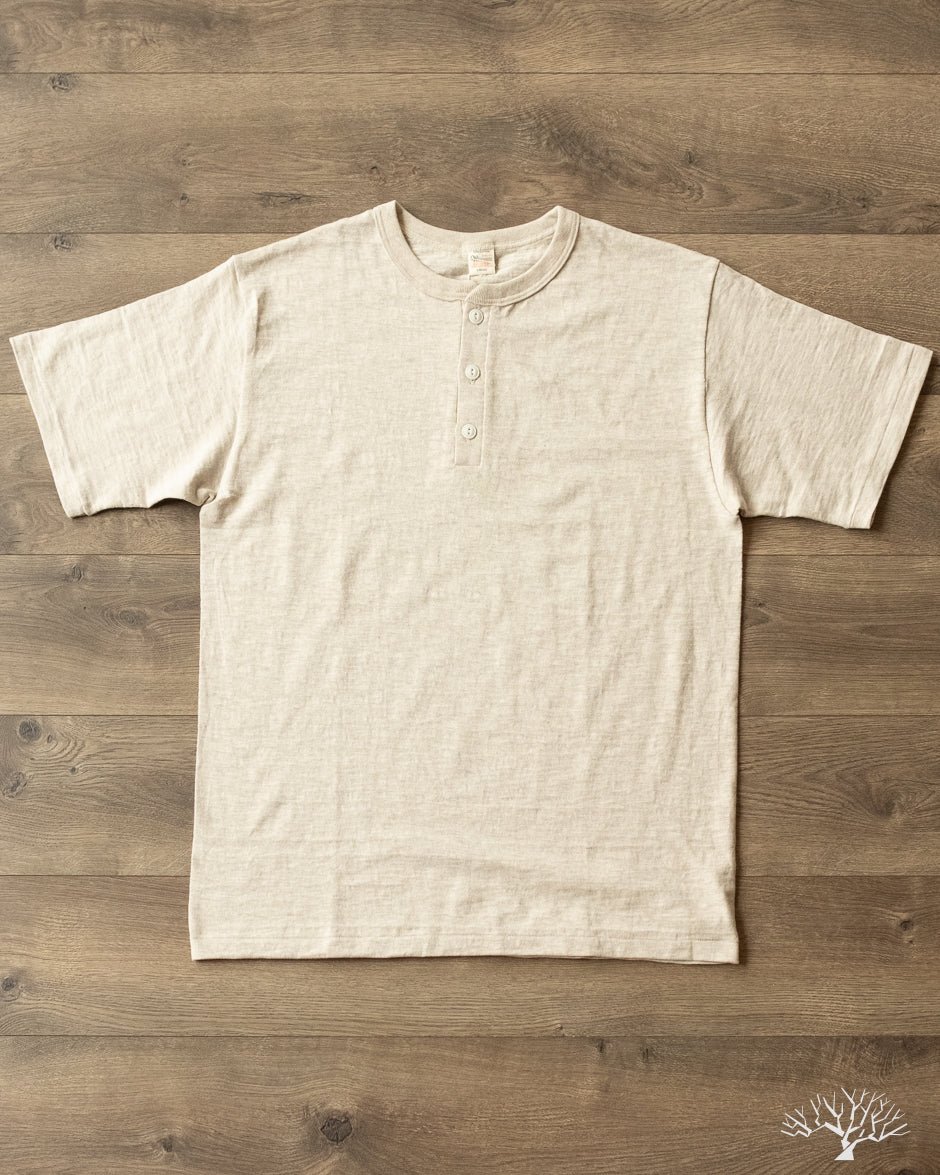
Warehouse and Co is one of the most respected repro houses in Japan, and their Lot 4601 henley is the sweet spot for building a wardrobe of colors. It comes in a wide run of shades, off-white, oatmeal, black, green and more, and at around $80 each you can own three before you have spent what one designer tee costs. The knit has real vintage character and holds its shape. Buy two or three colors, wear them into the ground, and you have your whole summer sorted.
The step up for cooler weather: Whitesville thermal henley
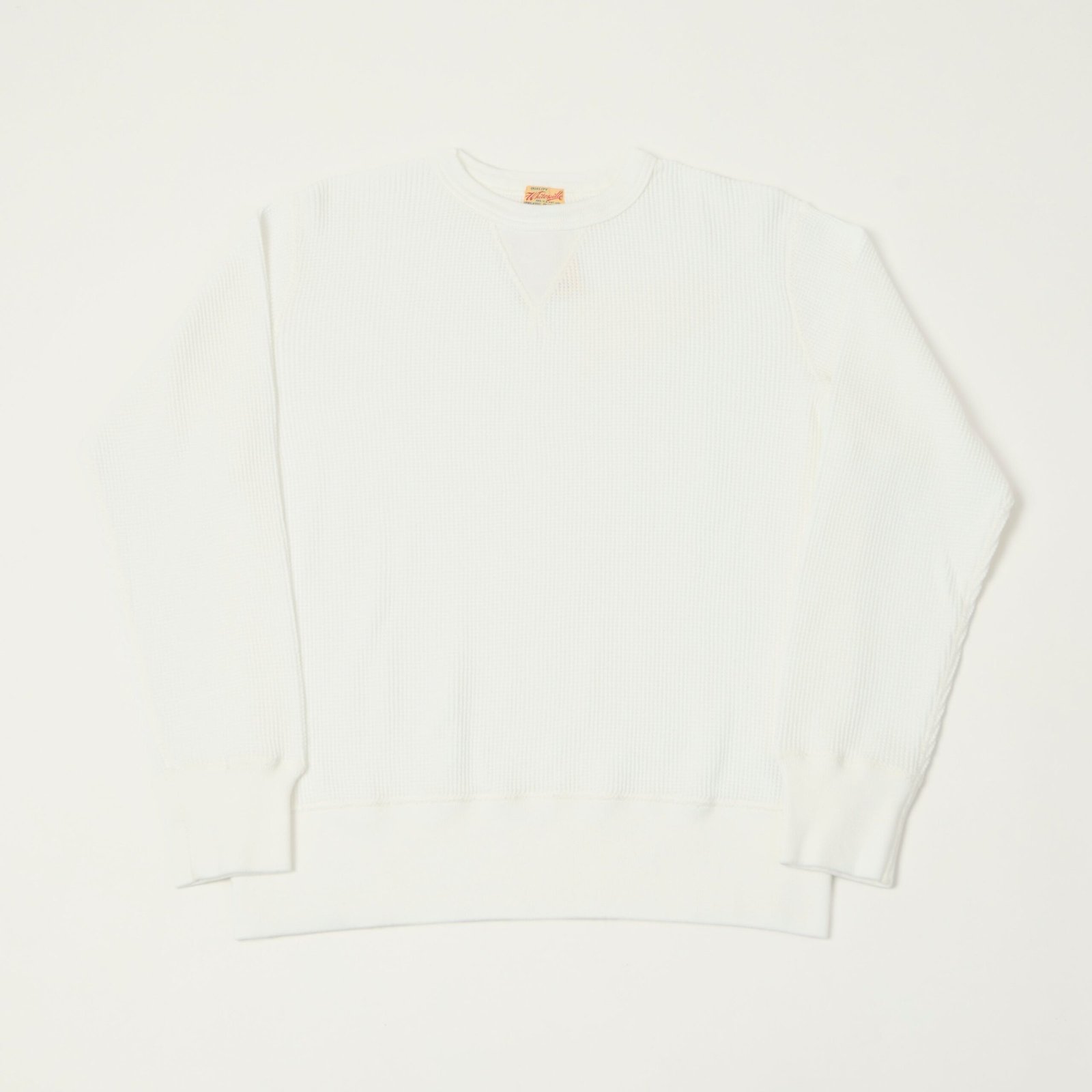
When it gets cold, a waffle-knit thermal henley earns its place. Whitesville, made by Toyo Enterprise, does a proper long-sleeve thermal with the heft and texture of a mid-century original. Around 139 pounds, about $175. It costs more than the Warehouse tee because the waffle knit and the sleeve length give you a genuine cool-weather layer, not just a heavier shirt. Own one in white or grey and it will anchor your autumn fits for a decade.
Build up to a loopwheeled henley from The Real McCoy’s, Freewheelers, or Loop and Weft when you are ready. Loopwheeling, an old slow knitting method that produces a soft tubular body with almost no tension, is the detail that separates a great tee from a good one. Expect roughly $150 to $260 there.
3. The denim jacket: learn Type I, II, and III, then build in order
The denim jacket is where amekaji gets its own vocabulary. Almost every jacket in this world descends from three Levi’s patterns, and knowing them lets you read any jacket on sight. Here is the whole history in three sentences, then a jacket for each. My advice for a beginner is to build in order, Type I first, then Type II, then Type III, because that is the story of the garment and each one teaches you something before the next.
A quick note on matching. You do not have to match your jacket denim to your jeans exactly, and a matched top-and-bottom in raw indigo, often called a Canadian tuxedo, is a strong look only once both pieces have faded a little. The safest beginner move is a jacket in a similar weight to your jeans so the two age at a similar pace.
Type I: the origin. TCB 30’s
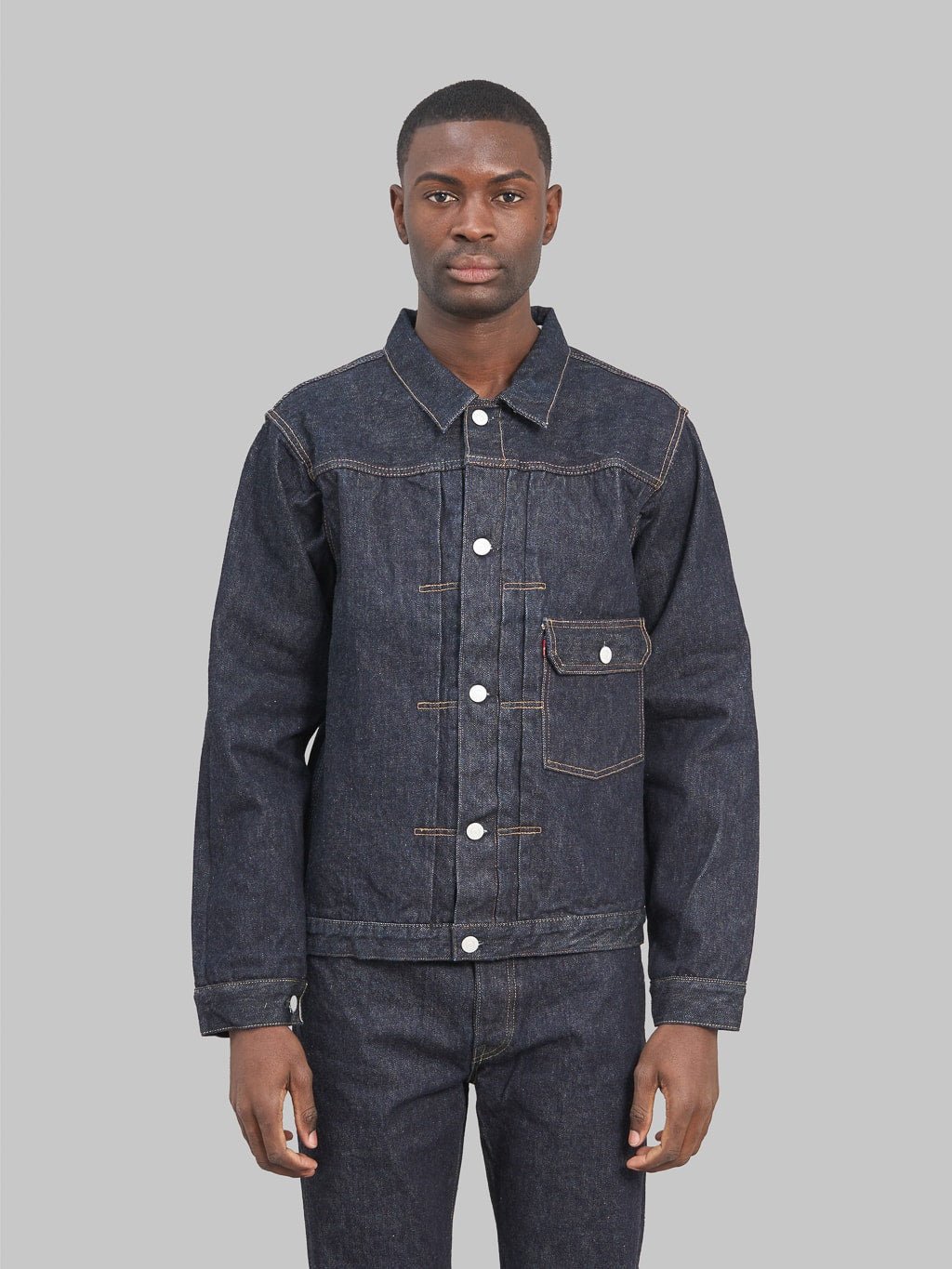
The Type I, roughly 1905 to 1952, is the great-grandfather. One chest pocket, a cinch strap across the back to adjust the waist, a pleat down the front, and a boxy, characterful cut. It is the most distinctive of the three and the one that reads oldest. TCB’s 30’s is a faithful Type I in 14.1oz denim, around 37,950 yen, about $255. Start here and you start at the beginning.
Type II: the refinement. TCB 50’s
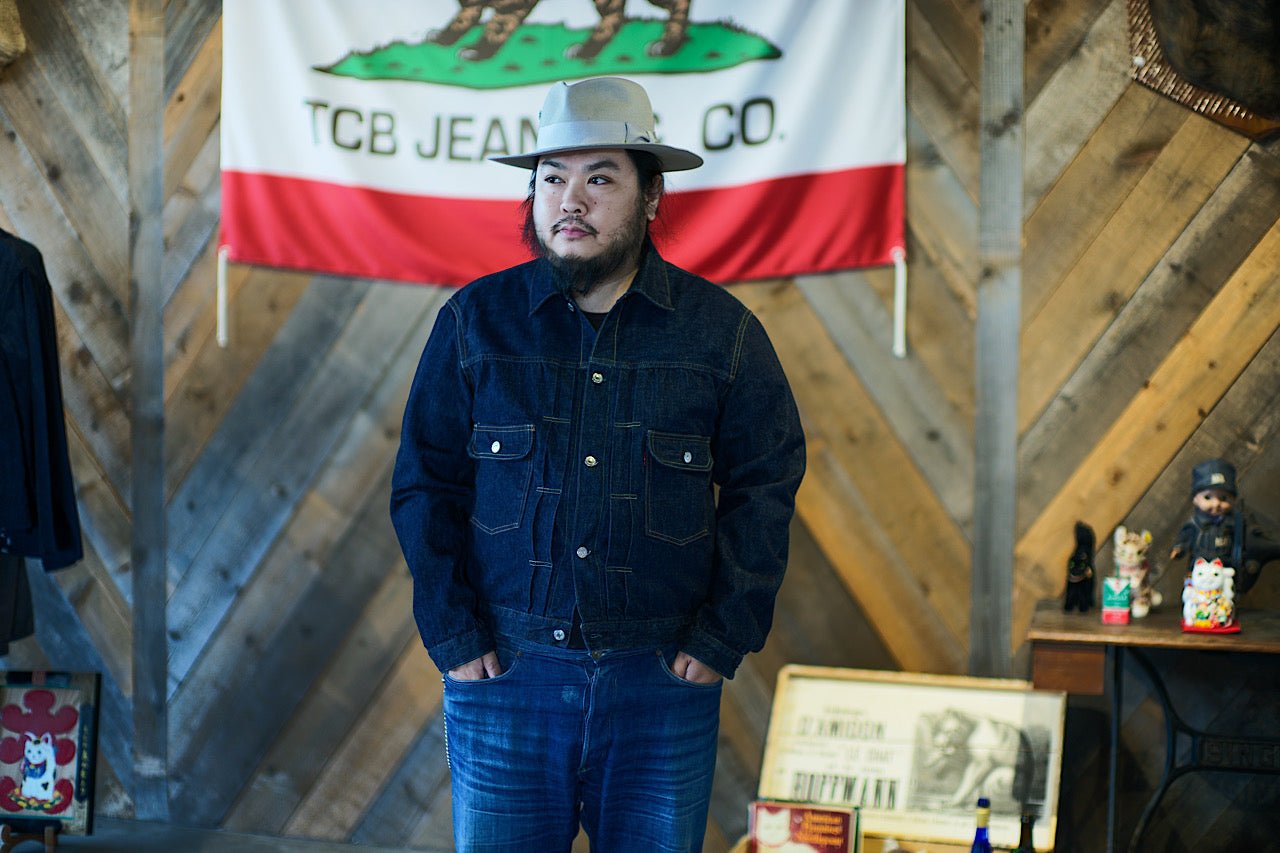
The Type II, roughly 1953 to 1961, added a second chest pocket and dropped the back cinch for a cleaner, more balanced front. It is the middle chapter, and to a lot of people the best-looking of the three. TCB’s New 50’s is the Type II here, in 13.5oz denim, around 26,620 yen, about $180. Once your Type I has some fades on it, this is the natural next jacket.
Type III: the icon everyone knows. TCB 60’s Trucker
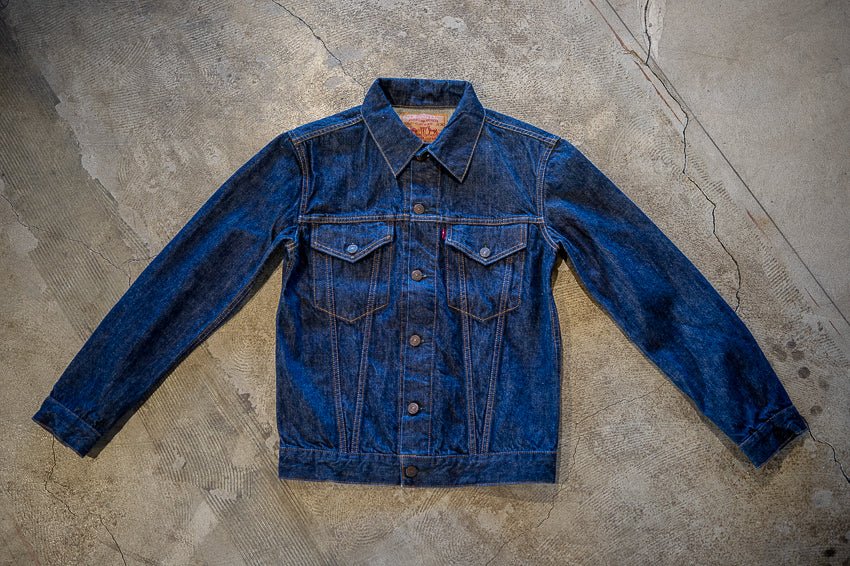
The Type III, from 1962 onward, is the trucker jacket the whole world copied. Pointed chest-pocket flaps, the V-shaped stitching down the front, a slimmer, longer cut. It is the most modern and the easiest to wear with everything. TCB’s 60’s Trucker is the Type III, in 13oz denim, around 30,030 yen, about $205. Third in the sequence, and the one you will probably reach for most.
The WW2 model, for later. During the Second World War, rationing forced a stripped-down jacket often called the S506XX or WWII model: a single pocket, pleats but no cinch, painted or laurel-leaf donut buttons, and simplified stitching to save materials. It is a favorite of serious collectors precisely because of those wartime shortcuts. It is not a beginner’s first jacket, but when you want one, TCB’s S40’s, Warehouse, and Buzz Rickson’s all make excellent versions. Think of it as the graduate course after you know the three main types by feel.
4. Fatigue pants: the military half of the closet
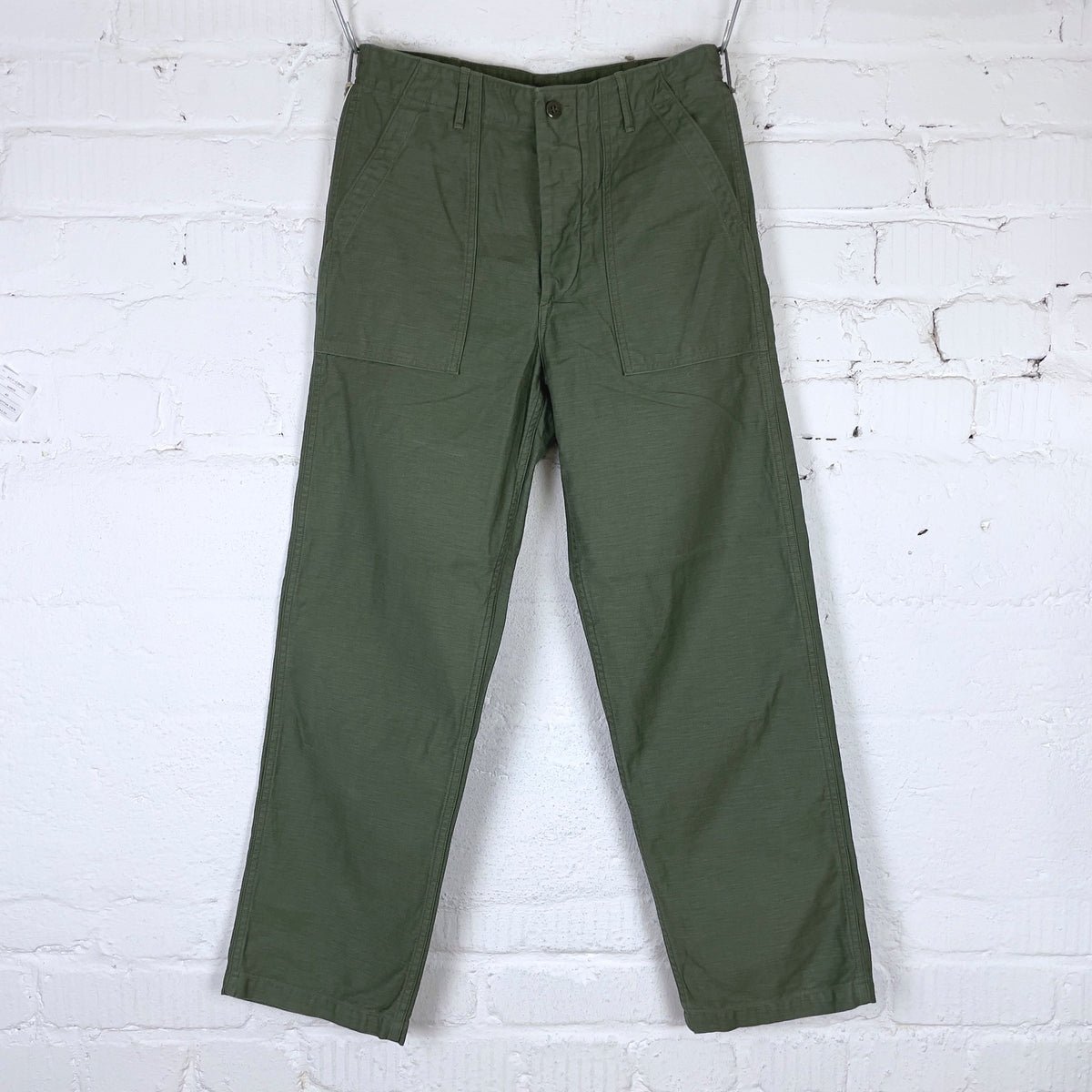
Amekaji has two engines, workwear and military, and fatigue pants are the easiest way into the second one. The reference is the US Army OG-107 fatigue trouser, a simple cotton sateen pant in olive green. orSlow’s US Army Fatigue Pants are the benchmark reproduction and a beginner favorite for good reason: a relaxed but not sloppy cut, cotton that softens beautifully, and a green that fades toward that perfect washed olive. Around $209. They wear with everything you already own, denim jacket up top, boots below, done.
Build up to the more period-obsessive versions from Buzz Rickson’s or The Real McCoy’s once you know you love the silhouette. They chase the exact original fabric and stitching harder, at a higher price.
5. Chino pants: the clean counterweight
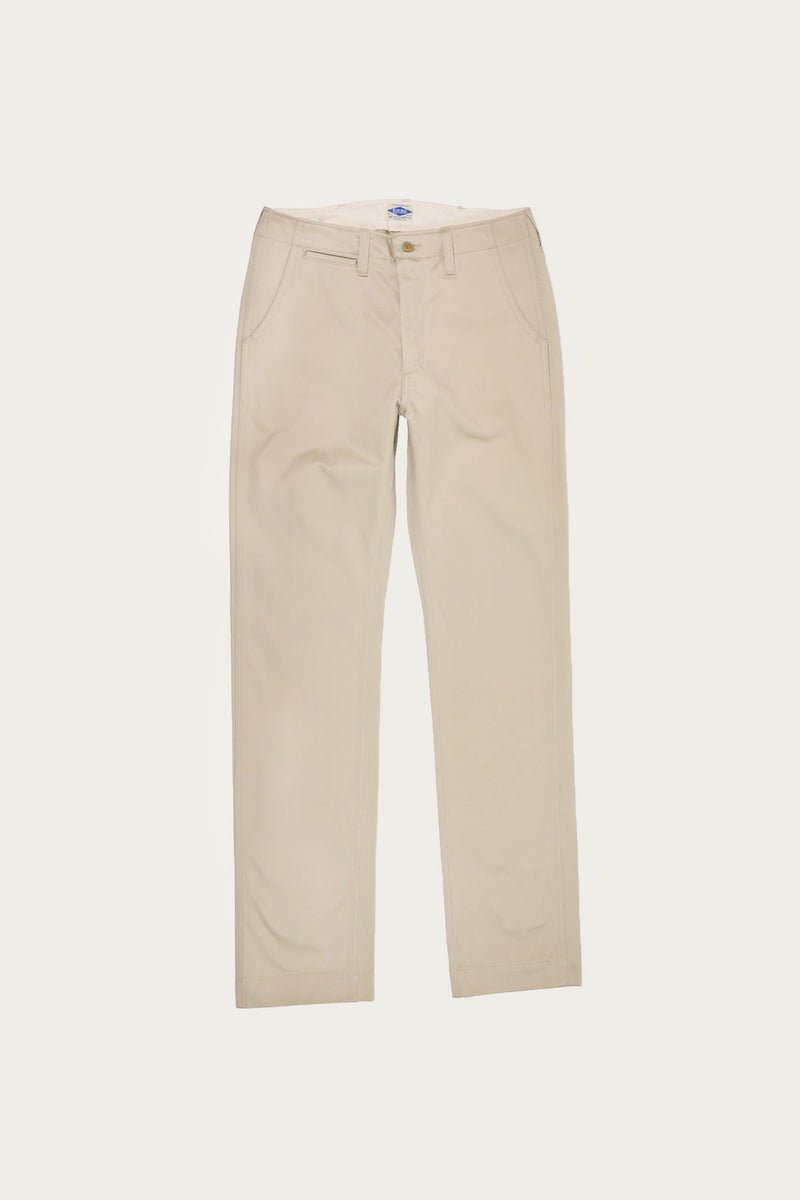
When denim and fatigues both feel too rugged, chinos are the clean option that still belongs in this world. The chino also has military roots, in the cotton twill trousers of the early twentieth century, so it sits comfortably next to everything else here. The Real McCoy’s Blue Seal Chino is the one to grow into: a proper vintage cut in sturdy cotton twill that presses clean or wears rumpled, both on purpose. Around $248. It is the piece that lets you wear amekaji somewhere you cannot wear raw denim.
On a budget, orSlow and Whitesville both make excellent, simpler chinos for less, and either is a fine starting point before the Blue Seal.
6. Boots: start with Red Wing, then climb
Boots are where a lot of men fall all the way into this hobby, because good boots, like good denim, get better with wear and last for decades. The best on-ramp is Red Wing. American-made, endlessly resoleable, and built on leathers that develop a patina, meaning the sheen and character leather earns over time, that rewards you for wearing them hard.
The starter: Red Wing Iron Ranger 8111
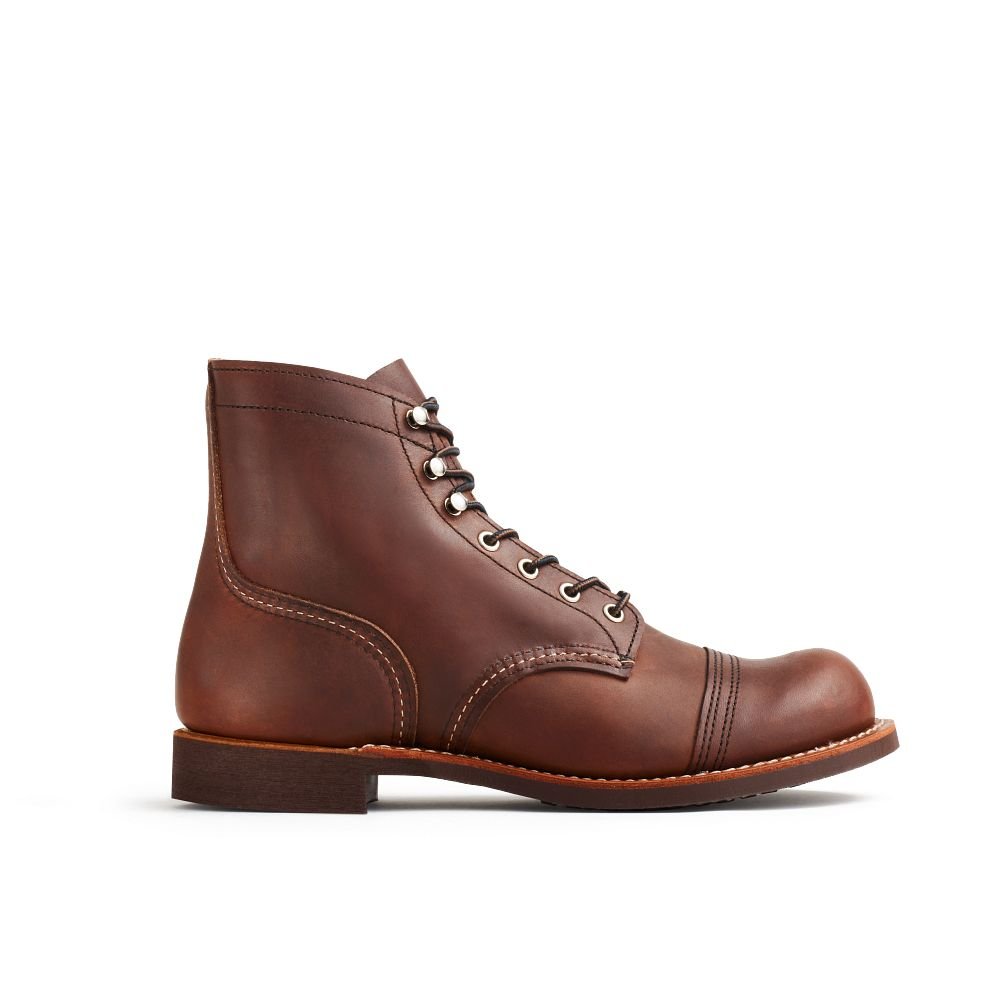
The Iron Ranger is the classic amekaji starter boot: a capped-toe work boot with a slightly dressy line that works with raw denim, fatigues, and chinos alike. The 8111 in Amber Harness leather is the one everyone means when they say Iron Ranger, and that leather ages into something genuinely yours. $349.99. Buy it, wear it through a winter, and you will understand the whole boot side of this hobby.
The other classic: Red Wing Classic Moc 875
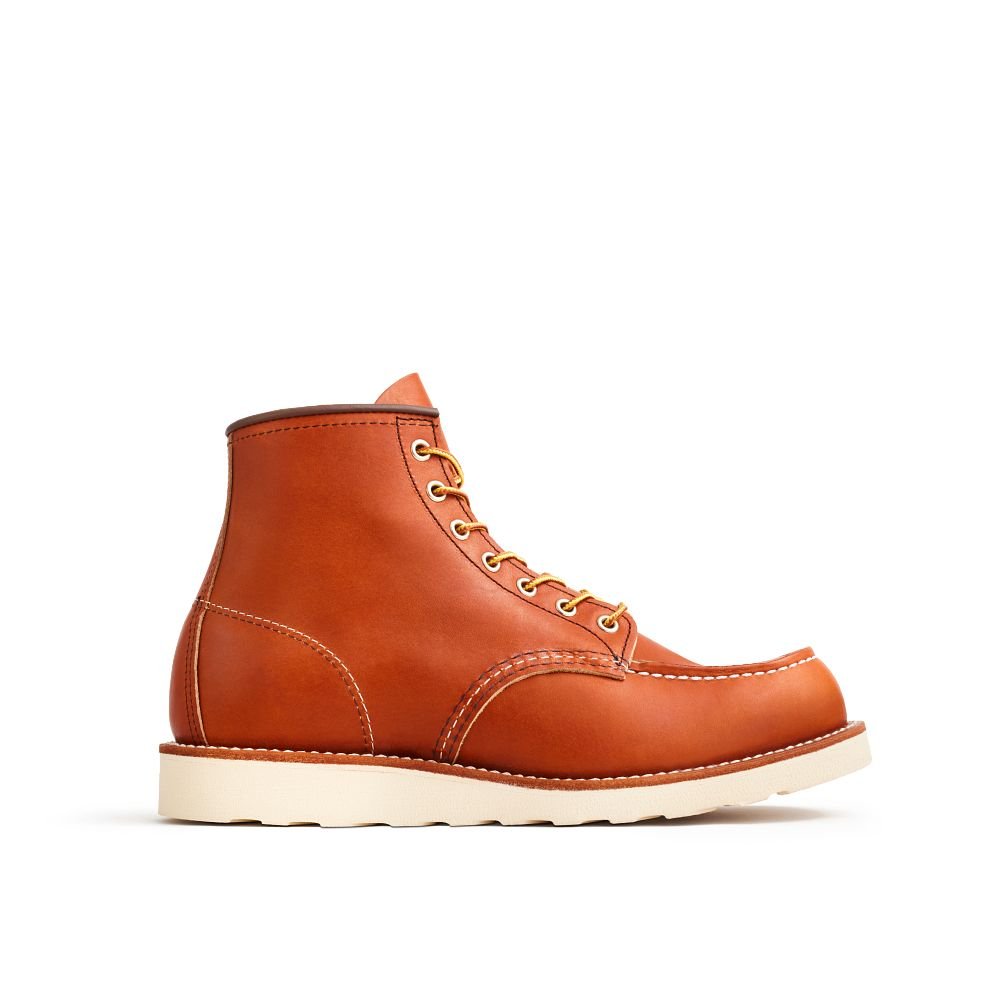
If the Iron Ranger reads a touch rugged for you, the Classic Moc 875 in Oro Legacy leather is the softer, rounder alternative on a cushioned white wedge sole. It is a little more casual and a little more forgiving on the feet from day one. $329.99. Between these two, you have the two most-recommended entry boots in all of amekaji, and you cannot go wrong with either.
Build up to the Japanese and American boot makers that this hobby eventually leads to: John Lofgren, Clinch, White’s, Wesco, and Viberg. Their engineer and service boots are the grails, resoleable for life and built to a standard that shows, usually from around $600 up past $1,500. That is the mountain. Red Wing is base camp, and base camp is a great place to spend a few years.
7. Chambray shirt: the budget starter you keep forever
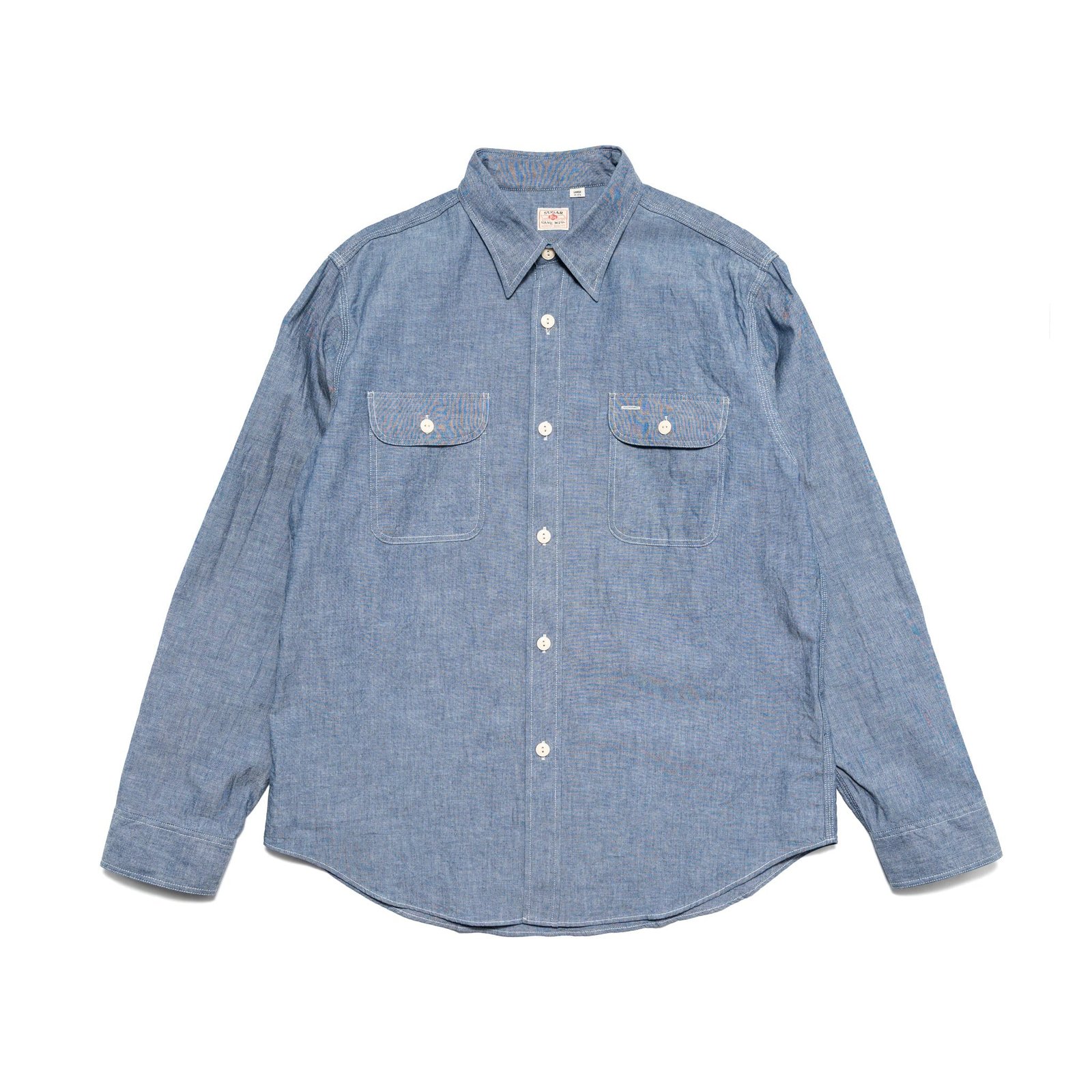
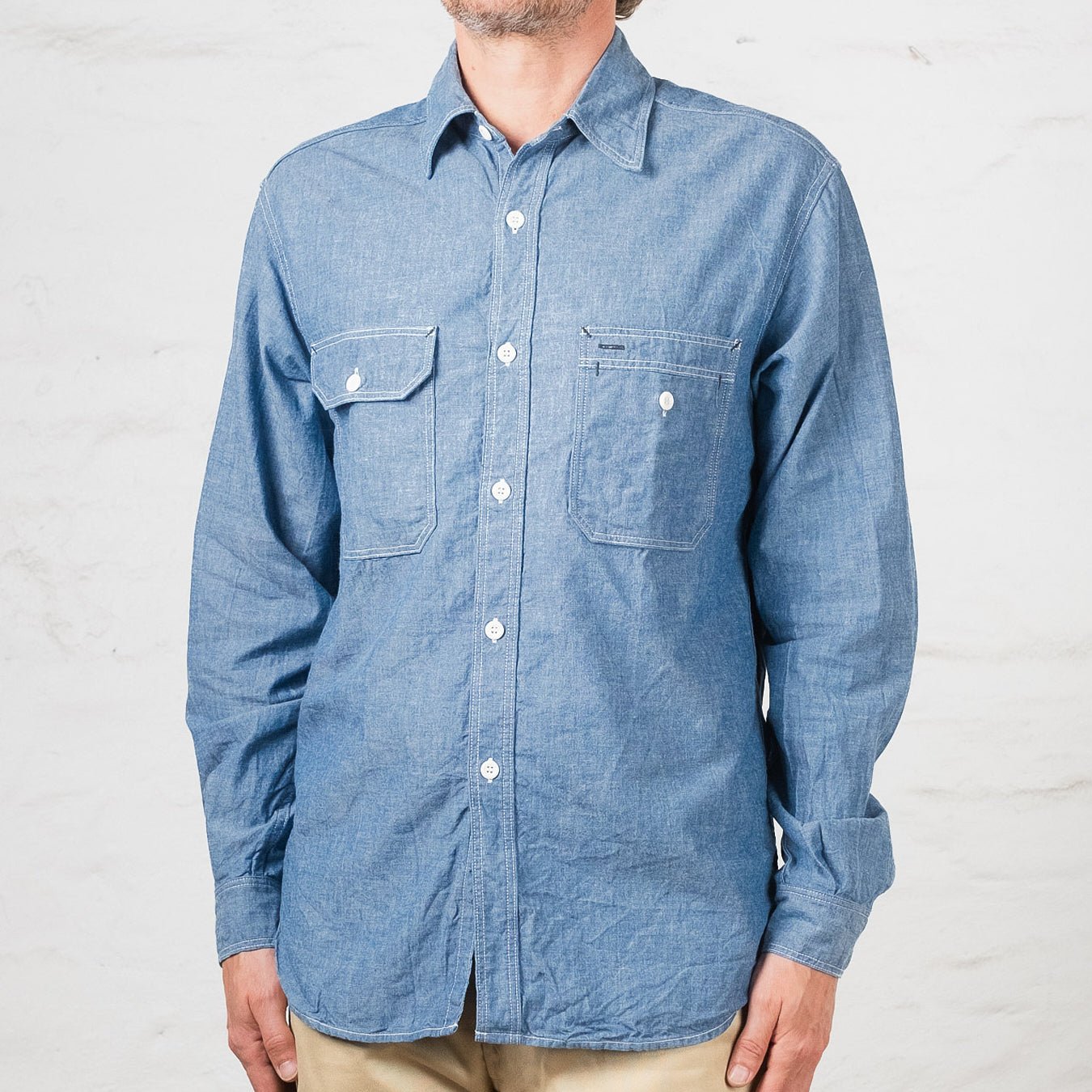
If the raw denim is the anchor, the chambray work shirt is the quiet workhorse. Chambray, a plain-weave cotton with a colored warp and white weft that gives it that soft faded-blue look, is the most versatile shirt in amekaji. It layers under a denim jacket, works open over a tee, and softens with every wash. Sugar Cane’s SC27850 blue chambray is a superb starter: a proper vintage work-shirt cut at around $205 that you will wear for years and never grow out of. This is the best-value piece in the entire guide.
Build up to The Real McCoy’s 8HU Chambray Serviceman Shirt when you want the top of the category. Its 8HU chambray is prized for how it fades, and the details are exact. Around 294 euros, roughly $300 depending on the retailer.
The order I would buy it all in
You do not buy nine things at once, and you should not. Here is a sane sequence that gives you a working wardrobe at every step. One, a chambray shirt, because it is the cheapest way to look the part immediately. Two, your first raw denim, the TCB 50’s if money is tight or the Fullcount 1108 if it is not. Three, Red Wing Iron Rangers, so your feet match your ambitions. Four, a stack of Warehouse henleys to fill in the everyday. Five, orSlow fatigues for a second bottom. Six, a Type I denim jacket to start the jacket journey. From there you add the Type II, the Type III, the chinos, and the grails at whatever pace your wallet allows. Buy fewer, better, and wear them harder than you think you should.
The honest downsides
This is not a cheap way to dress at the start, even though it is a cheap way to dress over ten years. Expect a real break-in period on raw denim and stiff leather, weeks of it, before anything feels like yours. Heavyweight denim runs hot, so if you live somewhere humid, lean toward the Fullcount or a lighter weight rather than the 21oz Iron Heart. Sizing across Japanese brands is inconsistent, and shrinkage on unwashed denim is real, so always check the specific measurements for the specific model before you buy, and when in doubt, ask the retailer. And know yourself: if you are not going to wear a piece hard and often, the magic of this clothing, the fading and the patina, never happens. These clothes reward use. They punish the closet.
Frequently asked questions
What does amekaji mean? Amekaji is a contraction of American casual, a Japanese term for American-inspired casual style, especially vintage workwear, denim, and military clothing reproduced with obsessive accuracy by Japanese makers.
What is the single best first purchase? One pair of raw selvedge denim you will wear at least a few days a week. It is the piece that changes most with wear and teaches you the most about the whole hobby. If the budget is tight, start instead with a chambray shirt.
Do I have to match my denim jacket to my jeans? No. A fully matched raw indigo set looks best only after both pieces have faded a little. Beginners are safer pairing a jacket and jeans of similar weight so they age at a similar rate, rather than chasing an exact match.
What is the difference between a Type I, II, and III denim jacket? A Type I has one chest pocket and a back cinch, a Type II has two chest pockets and no cinch, and a Type III is the slimmer, pointed-pocket trucker with V-stitching that most modern denim jackets copy. They run oldest to newest in that order.
Are Red Wings really the best starter boot? They are the most sensible one. American-made, resoleable, affordable relative to the Japanese grails, and built on leathers that patina well. The Iron Ranger and the Classic Moc are the two to look at first.
Why is Japanese repro so expensive? Because most of the cost is in things you cannot see: shuttle-loomed selvedge fabric, single-needle construction, period-correct hardware, and low-volume production. You are paying for solved problems, not a logo.
Sources
Prices and specifications current as of August 2026, taken from the following brand and retailer listings: Fullcount, Iron Heart, TCB via Redcast Heritage, Warehouse via Withered Fig, Whitesville via Son of a Stag, TCB Jeans, orSlow via stuf-f, The Real McCoy’s via Canoe Club, Red Wing, Sugar Cane via BlackBlue, and The Real McCoy’s. Currency conversions are approximate. Type I, II, and III jacket history follows the widely referenced Levi’s denim jacket timeline.
Last updated August 17, 2026.