36 Japanese Denim and Americana Reproduction Brands: A Field Guide
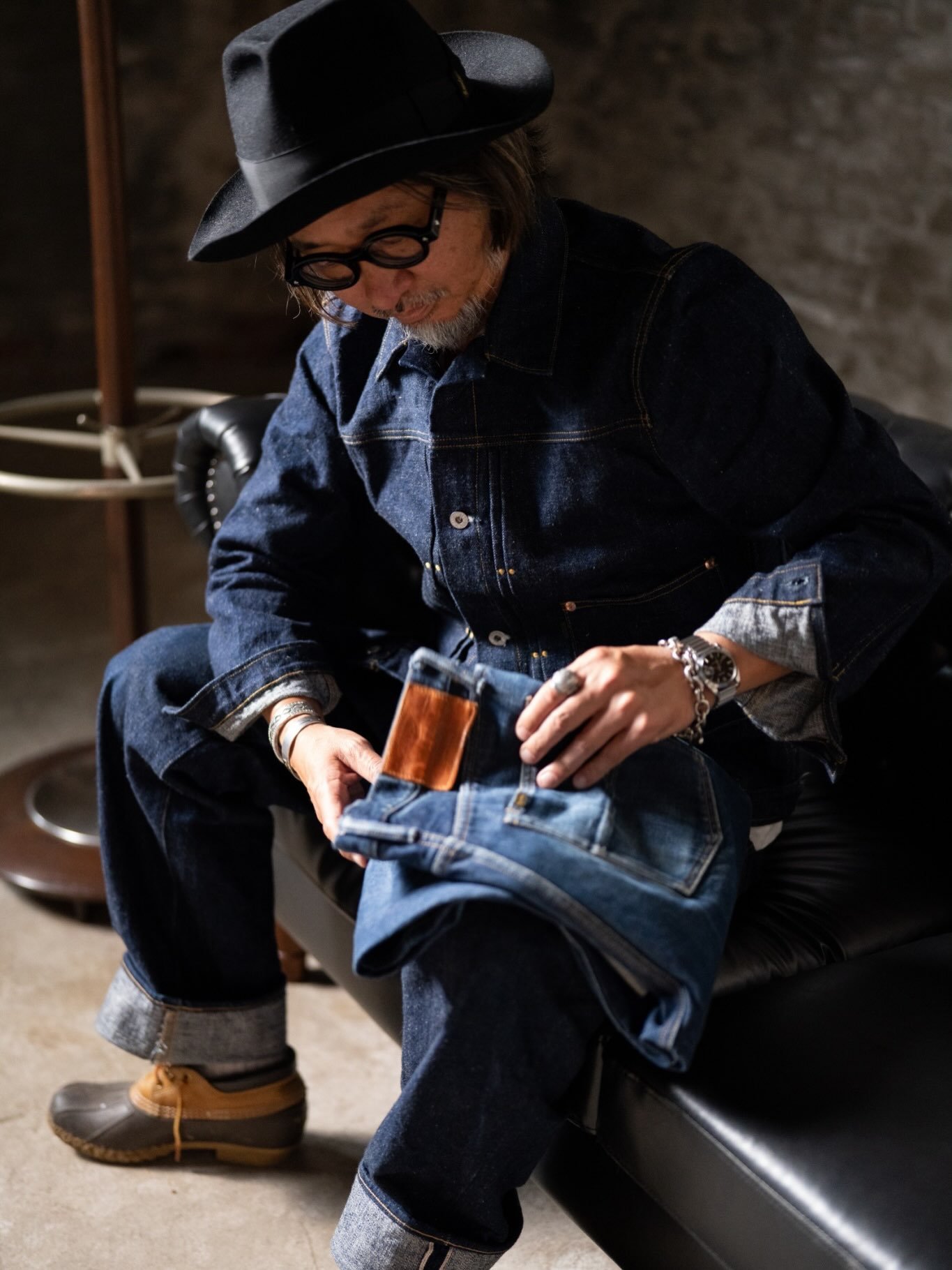
“Reproduction,” here, means Japanese makers rebuilding American garments that America itself stopped making properly somewhere between the 1950s and the 1980s. Some of the brands below chase a specific vintage year down to the stitch. Others take the old construction and build something new on top of it. A few barely reproduce at all and simply make excellent indigo clothing. This guide sorts out which is which, who founded each one, what they specialize in, who each brand is really for, and roughly where each sits on price.
Pricing is a rough guide based on a standard pair of the brand’s denim jeans, from $ (accessible, broadly under 150 dollars) to $$$$$ (top-tier, 400 dollars and up). Handmade or hand-woven flagship pieces can run well above a brand’s normal band.
The pioneers and the mass-market founders
Big John
The brand that put “made in Japan” on the map for jeans.
Big John traces its roots to 1940, when Kotaro Ozaki founded a small sewing operation called Maruo Hifuku in the Kojima district of Kurashiki, Okayama, initially making workwear and school uniforms. The company moved into jeans in the late 1950s and 1960s, and in 1965 launched CANTON, widely described as Japan’s first domestically produced jeans. Around 1973 it released jeans made entirely from Japanese denim, often cited as the first fully “made in Japan” pair. The name came from Ozaki, whose given name Kotaro could translate as “Little John,” which the team felt sounded childish, so they inverted it.
They specialize in accessible, everyday selvedge built on genuine historical primacy rather than heavyweight showpieces. It is respected as the originator more than as a hype object, and buyers tend to praise the value and the history while noting that it reads as a mainstream, approachable jean rather than a boutique repro. In Japan the name carries real nostalgic weight as the country’s first jeans maker.
Edwin Japan
One of the first names to bring denim to postwar Japan, and a relentless innovator since.
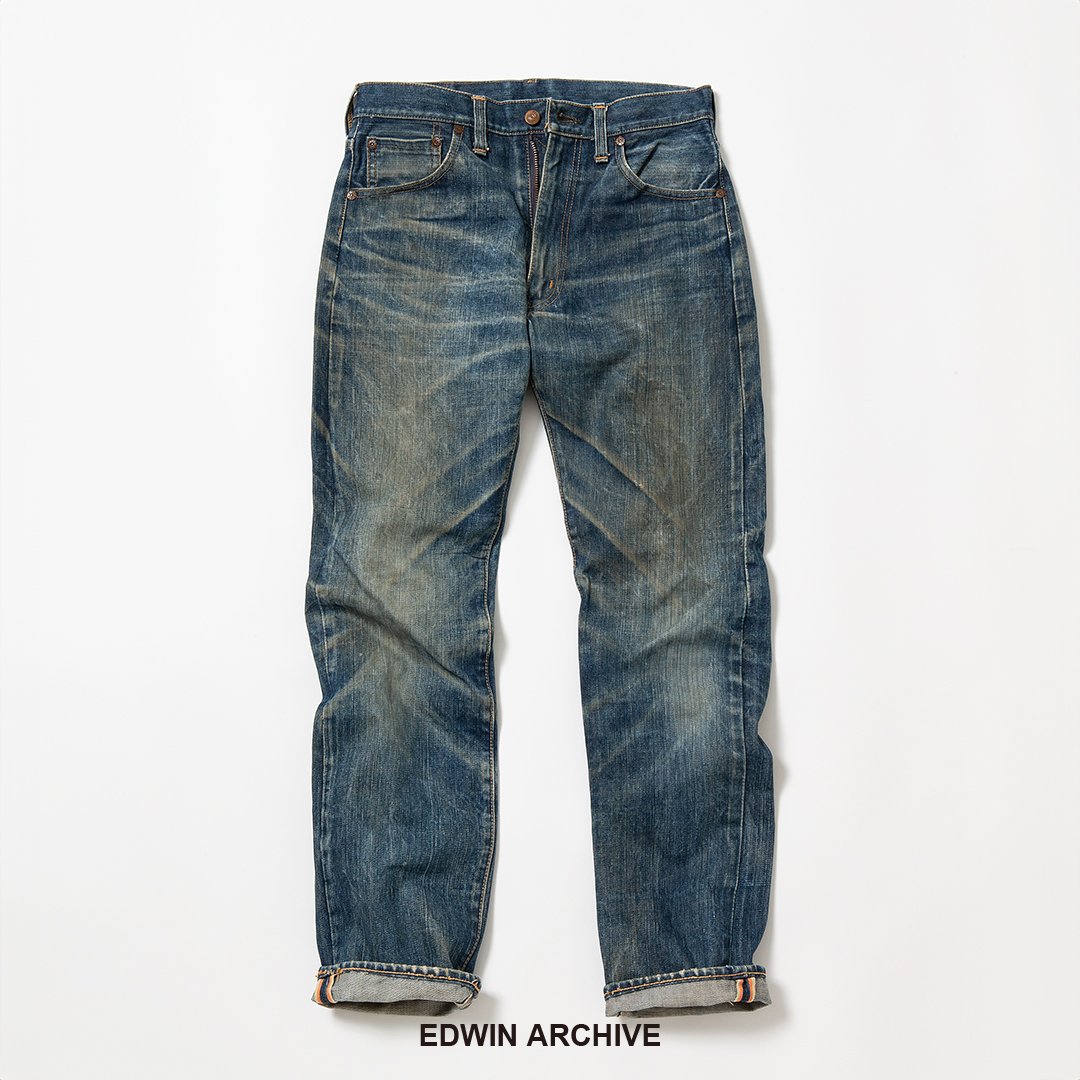
Edwin was founded in Tokyo in 1947 by Yonehachi Tsunemi, who imported American jeans at a time when Japan had no domestic makers, and the name is often explained as a rearrangement of the letters in “denim.” By the early 1960s Edwin was making its own fabric, and it is credited with early heavyweight ringspun denim and the well-known orange and green “rainbow” selvedge still used today. It also claims early work in the “old wash” and stone-wash finishes that later spread across the industry.
They specialize in broad-market denim with a long track record of technical firsts, from rainbow selvedge to wash processing. It is seen as a mainstream heritage giant rather than a purist repro house, and praise centers on durability, value, and easy fit. Enthusiasts often point newcomers to Edwin as a reliable, widely available entry point.
Sugar Cane (Toyo Enterprise)
The denim line of a company built on American vintage, famous for weaving sugar cane fiber into the cloth.
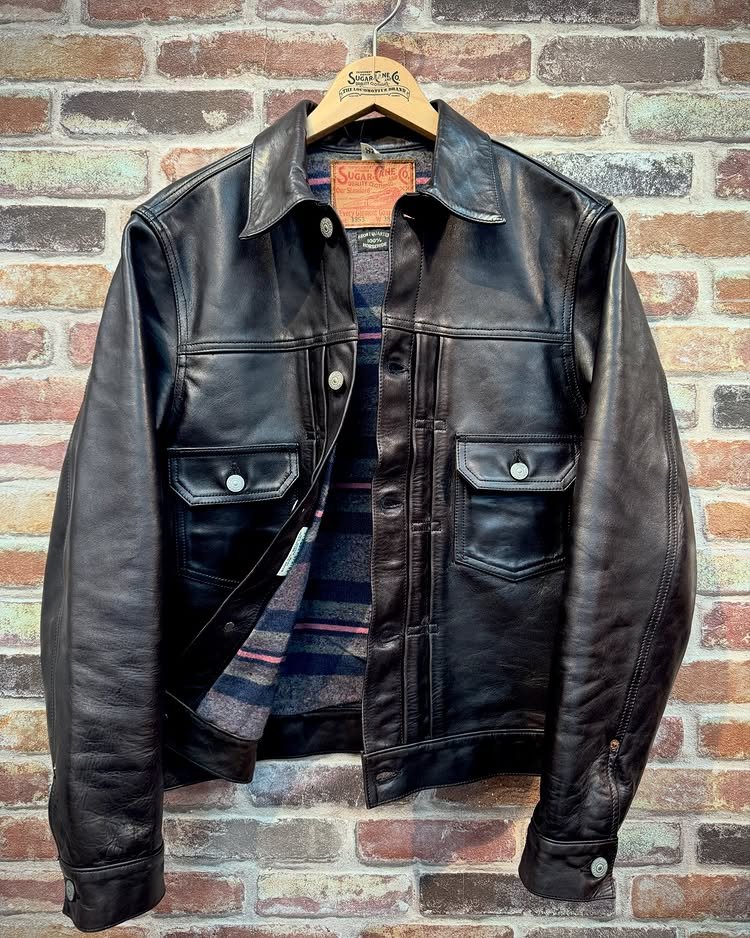
Sugar Cane is the denim label of Toyo Enterprise, the Japanese heritage house founded in 1965 that also owns Buzz Rickson’s and Sun Surf. Toyo began serving American servicemen around US bases and became a fully domestic clothing maker after the mid-1970s, which is roughly when Sugar Cane emerged. The signature move is blending bagasse, a sugar cane fiber, with cotton. The shorter, irregular fiber produces slubby, uneven yarn and the brand’s distinctive vertical “rain” fades.
They specialize in vintage-correct denim with a proprietary sugar cane and cotton blend, woven on vintage shuttle looms, plus deep archives in military and aloha wear through sister labels. It has a strong reputation for characterful fades and honest, wearable weights, and buyers value that it sits at a slightly friendlier price than some boutique peers.
The Osaka Five and the 1990s reproduction wave
Studio D’Artisan
The label that started the Osaka movement, built on original interpretation rather than straight copying.
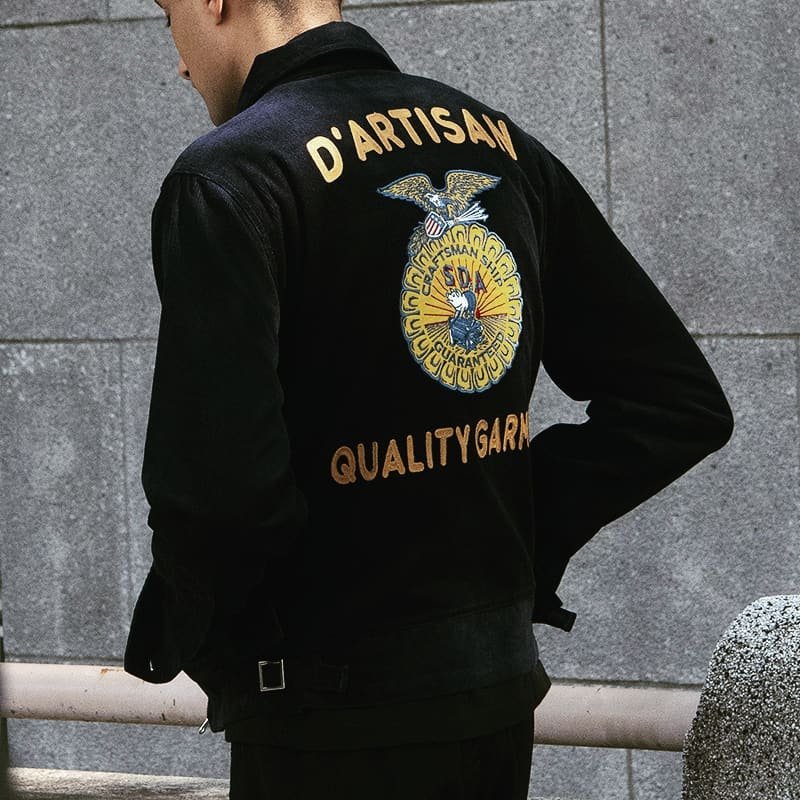
Founded in 1979 by Shigeharu Tagaki, Studio D’Artisan is generally treated as the genesis of the “Osaka Five.” Tagaki had worked for Pierre Cardin in Paris and wanted to bring a couture sensibility to Japanese denim. The brand was radical for its time, favoring original designs inspired by archival garments over direct replicas. The 1986 DO-1 jean, woven on narrow shuttle looms with hank-dyed yarn, is a landmark, and the pig mascot is its calling card.
They specialize in characterful, sometimes playful original denim with heavy hank-dyeing and rich texture. Revered as a founding father, it holds elder-statesman status in Japan, and buyers enjoy the personality and the fades while noting the fits and branding lean more eccentric than the stricter repro houses.
The Real McCoy’s
Obsessive reproduction of American military, workwear, and sportswear, executed at luxury level.
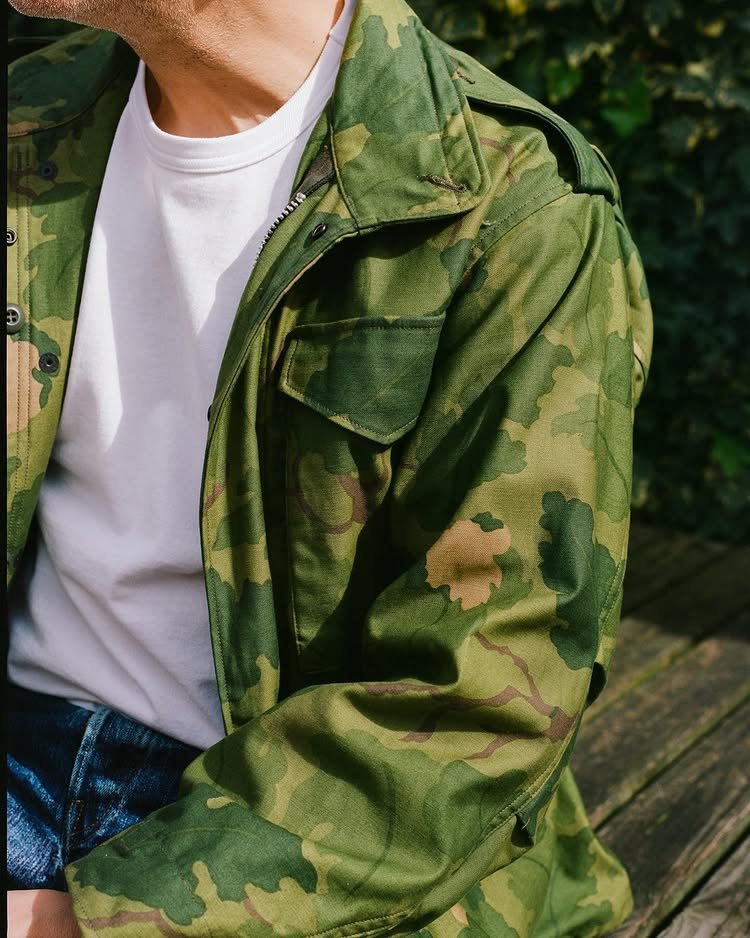
The Real McCoy’s was founded by Hitoshi Tsujimoto, who began in the late 1970s and 1980s sourcing and selling American vintage before building the brand around meticulous A-2 flight jacket reproductions. It is now headquartered in Kobe, and sub-labels such as Joe McCoy and Double Diamond cover sportswear and workwear. The house is known for using premium materials and slightly modernized fits while holding to original detailing.
They specialize in military reproduction, leather flight jackets, loopwheeled sportswear, and heritage workwear at the top of the price and quality ladder. It is widely regarded as one of the best in the world at what it does, with the price to match, and owners consistently praise material quality and construction. The common critique is simply cost, and in Japan it carries serious prestige.
Denime
A purist pursuit of the fast-fading vintage Levi’s 501, especially the 1966 model.
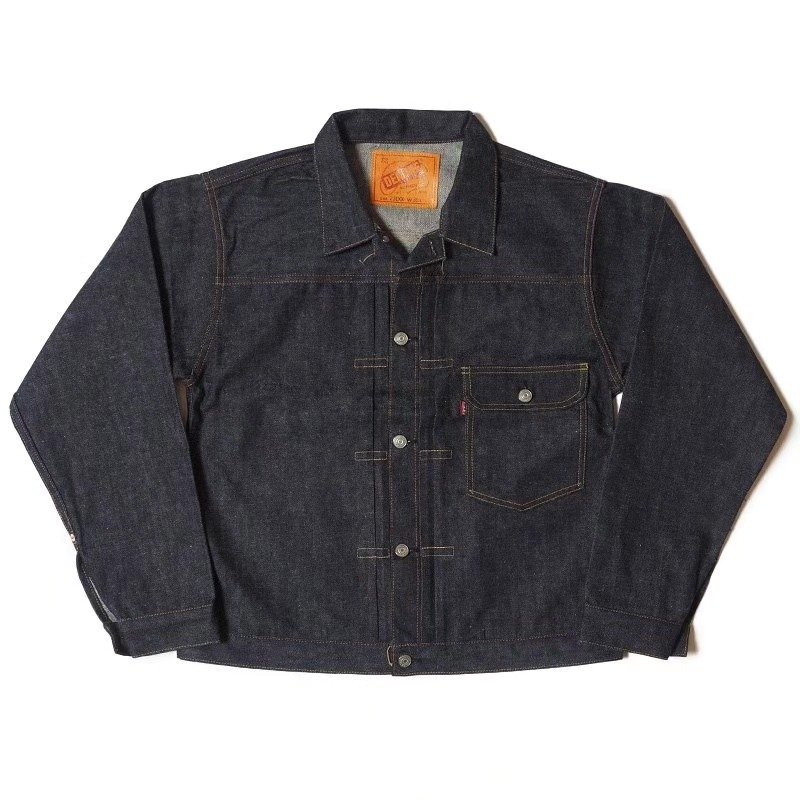
Denime was founded in 1988 by Yoshiyuki Hayashi, technically in Kobe but closely tied to the Osaka boom. It focused on a straight, fast-fading interpretation of 1960s 501s and set the template many later brands followed. By the mid-2000s the business struggled and was acquired by Hitoshi Tsujimoto of The Real McCoy’s through his Nylon retail chain. Hayashi later left and founded Resolute to continue the same pursuit.
They specialize in faithful, fast-fading 501-style reproductions. It is held in high regard by long-time enthusiasts, especially for its older output, which is collected, and purists often follow Hayashi to Resolute for the current continuation of the vision.
Evisu
Revive genuine selvedge quality on retired shuttle looms, and paint a seagull on the pocket.
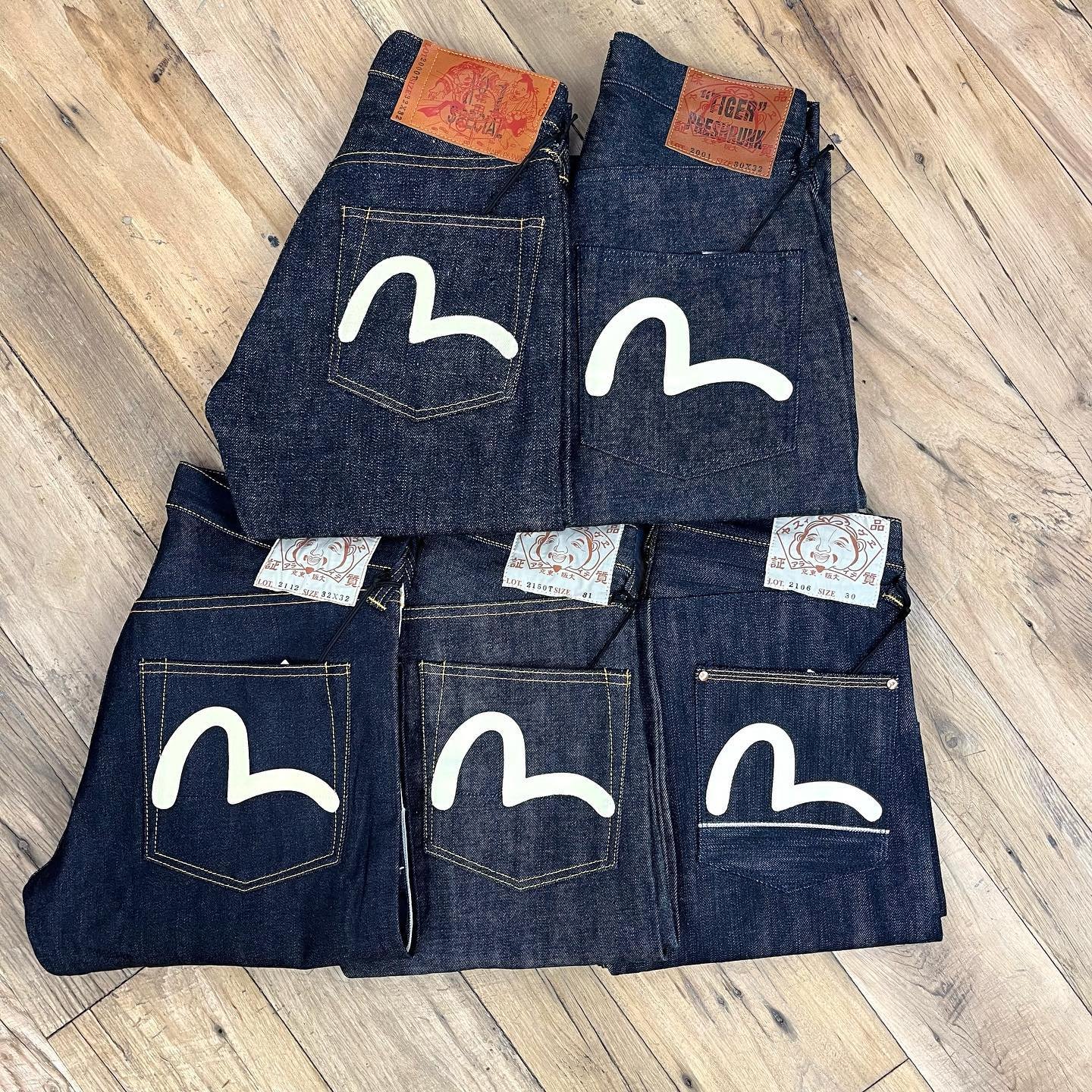
Founded in 1991 in Osaka by Hidehiko Yamane, Evisu is named after Ebisu, the Japanese god of prosperity. Yamane started by making around fourteen pairs a day on old shuttle looms and hand-painting a seagull arch on the back pocket, initially half as a joke. The hand-painted pairs sold out fast, the seagull became the logo, and Evisu later exploded into global streetwear fame in the 2000s.
They specialize in vintage-method selvedge with a strong, painted visual identity that bridged craft denim and streetwear. The brand has a split reputation: craft purists respect the early Osaka output and Yamane’s obsessiveness, while the broader public knows Evisu as a 2000s streetwear icon. Buyers after the original craft version often seek the Evisu Genes line or older pieces.
Pherrow’s
American traditional heritage, reinterpreted with the brand’s own twist.
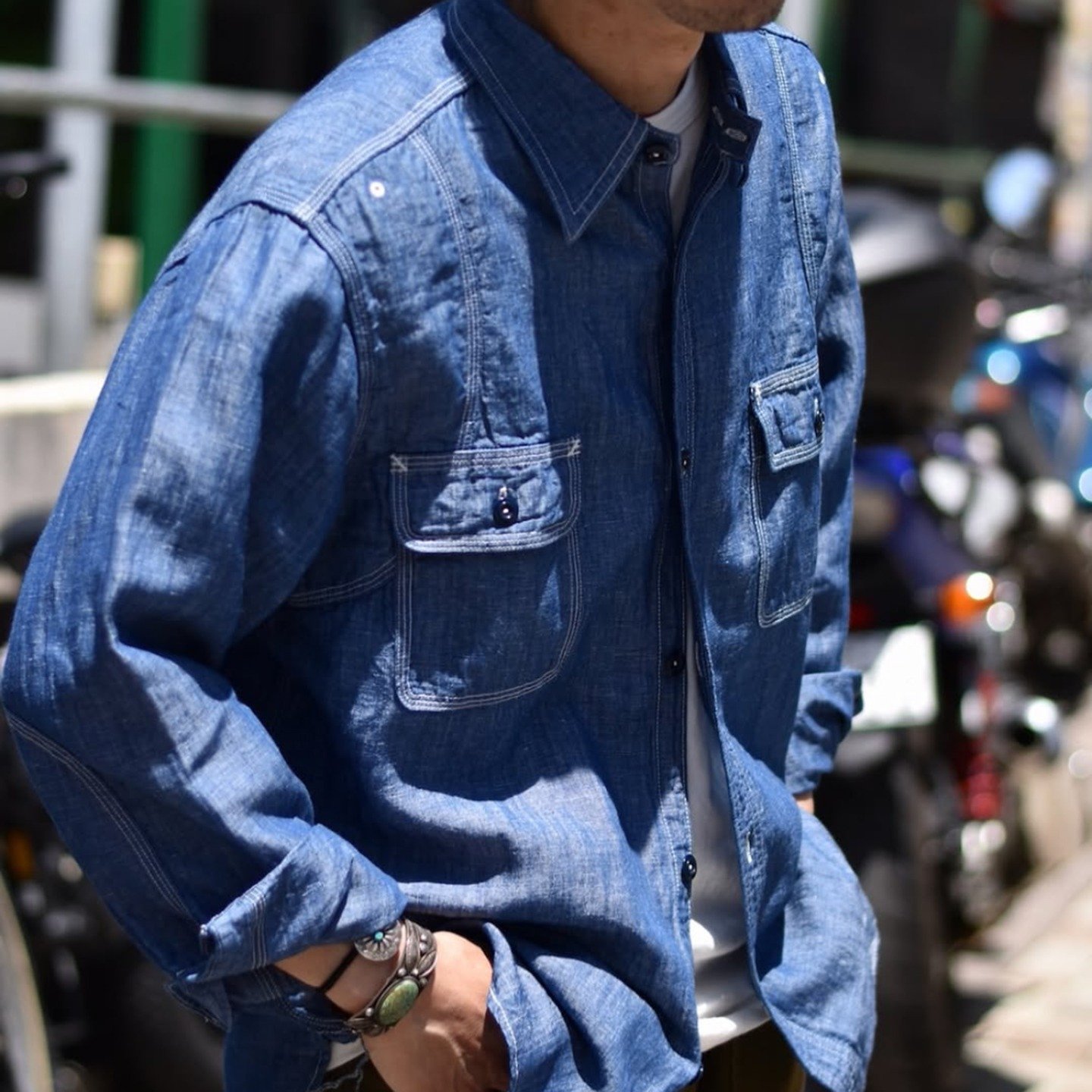
Pherrow’s was founded in 1991, most commonly credited to Masahiro Shimura, who reportedly worked at The Real McCoy’s before starting his own label. The brand became an early fixture of the Harajuku “ametora” scene and built a reputation on reproducing rare sweatshirts and military styles before broadening into denim and workwear.
They specialize in mid-century American workwear, military, and sportswear with subtle original modifications rather than strict replication. It is viewed as a solid, characterful heritage label with a loyal following and reasonable prices, and buyers like the balance of authenticity and wearability. It flies under the radar internationally compared to the biggest names.
Fullcount
The quiet Osaka Five member, and the first to use Zimbabwe cotton.
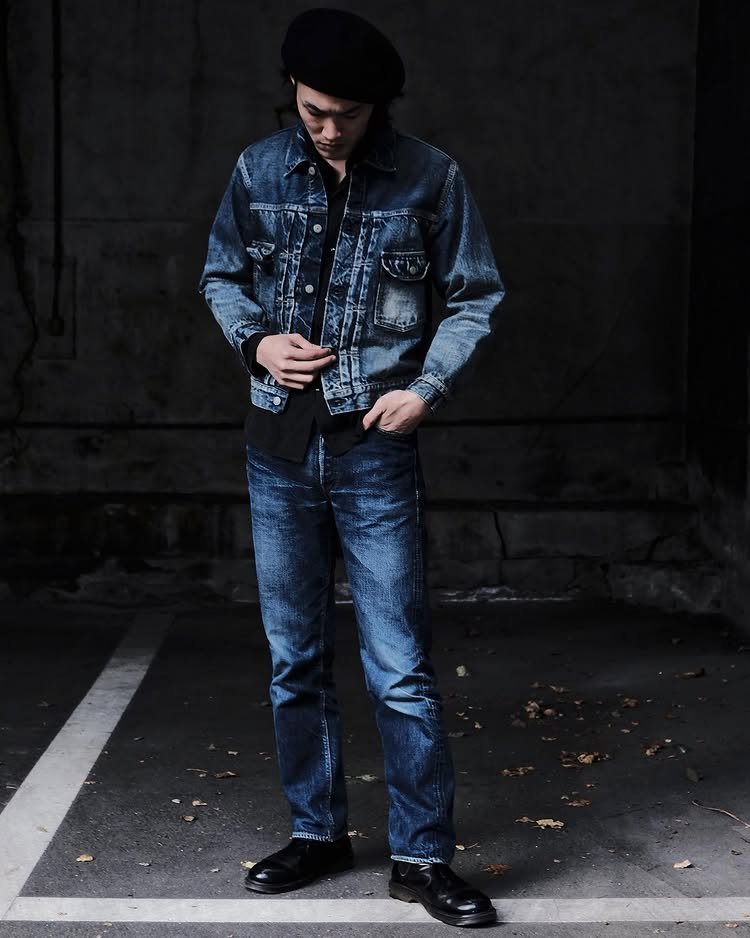
Founded in 1992 by Mikiharu Tsujita, Fullcount is often called the quietest success among the Osaka Five. Tsujita bonded with the future founder of Evisu over vintage 501s and briefly worked with him before going solo. His brand was the first in Japan to build denim around Zimbabwe extra-long staple cotton, hand-picked and prized for a soft hand that still ages well.
They specialize in comfortable, vintage-faithful denim built on Zimbabwe cotton, from lighter everyday weights up to a heftier flagship. It is beloved for softness and wearability without sacrificing fade quality, and it is a frequent recommendation for people who want vintage character in a jean that is not punishing to break in.
Dry Bones
Vintage-styled Americana with a strong rockabilly streak, built to outlast the originals.
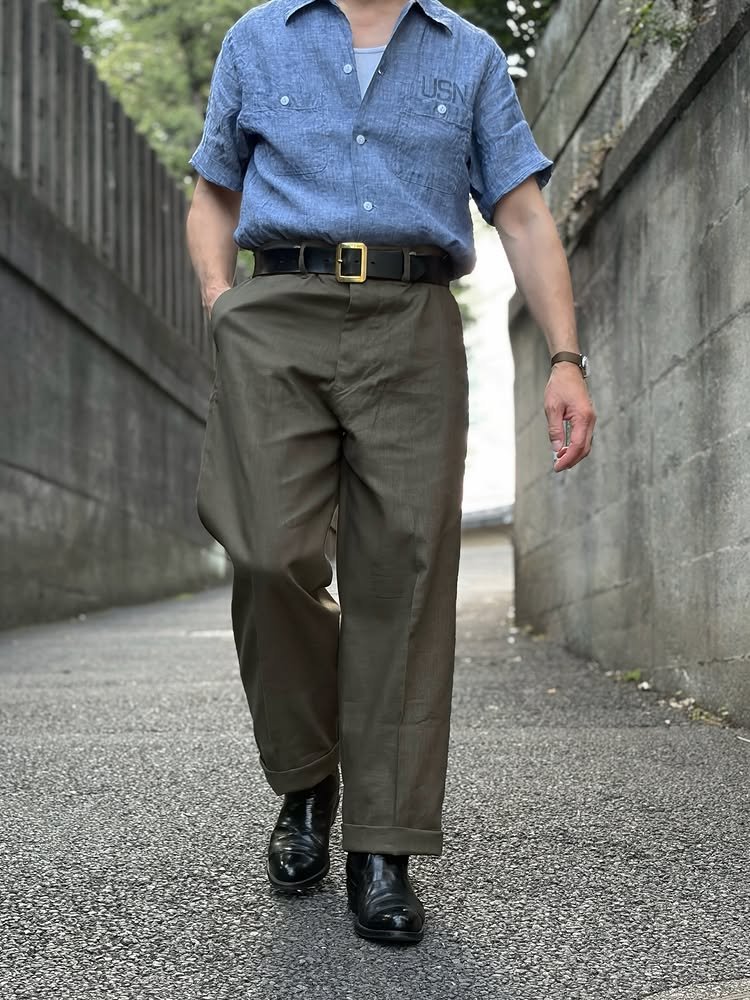
Dry Bones grew out of a Tokyo vintage store, Razzle Dazzle, opened by Kiyoaki Takeuchi around 1989, with the clothing brand following about 1992. Takeuchi’s stated aim was to make vintage-styled garments that outperform the originals while respecting the style and production techniques. The aesthetic leans heavily on 1950s Americana, rockabilly, and music culture.
They specialize in rockabilly-inflected denim and Americana, with a distinct 1950s subcultural identity. It is a smaller, more niche name valued by the rockabilly and greaser-leaning crowd, and buyers appreciate the strong point of view and consistent construction. It is less discussed among mainstream denim heads and more so among vintage-lifestyle enthusiasts.
Warehouse & Co.
“The faithful reproduction of authentic vintage garments.”
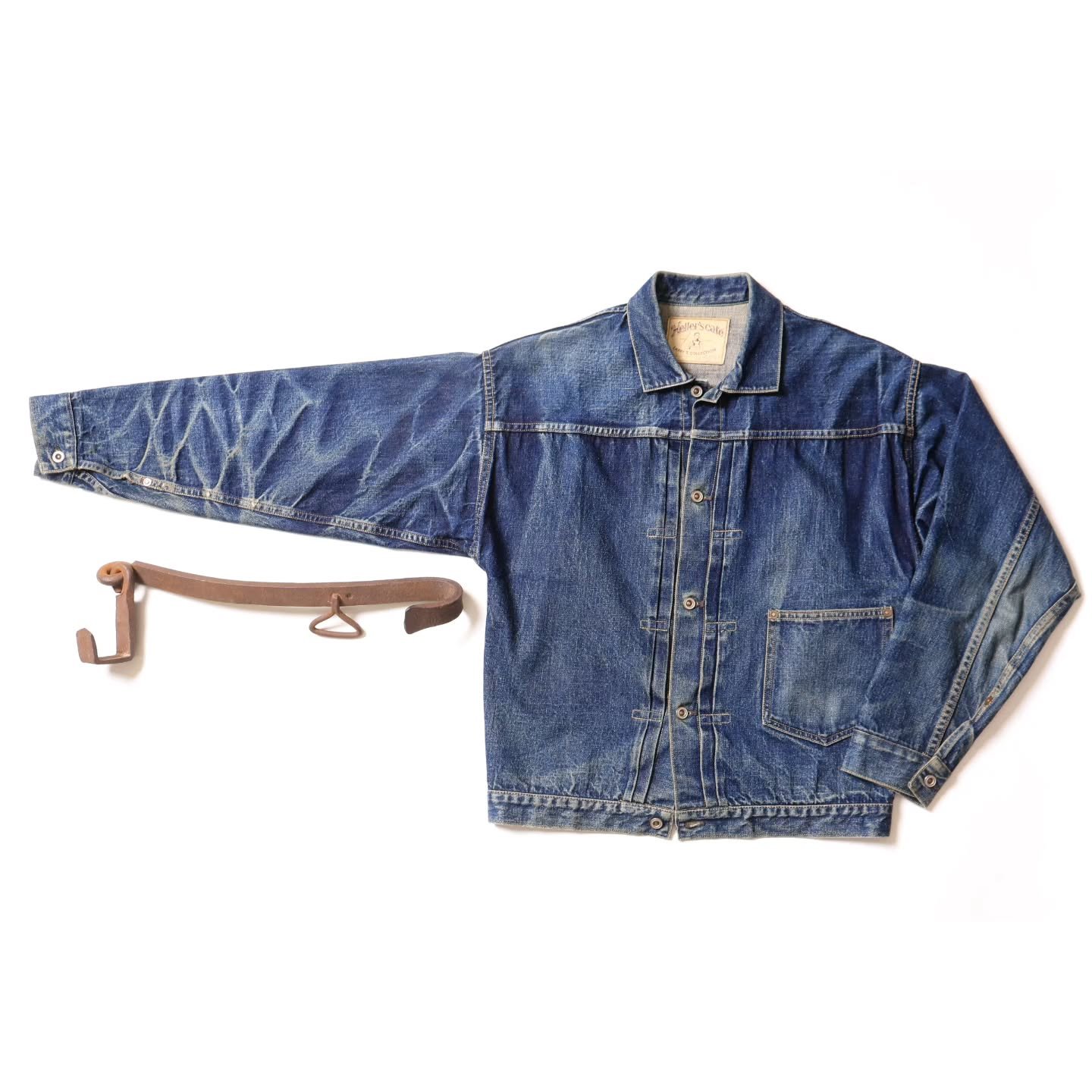
Warehouse was founded in Osaka in 1995 by brothers Kenichi and Koji Shiotani, both formerly involved with an incarnation of Evisu, who left over a difference in philosophy. They are famous for an almost archaeological approach, pulling apart 1930s Levi’s pieces to study yarn and weave before reproducing them. Their signature “banner denim” sits at a supple 13.5oz with slow, authentic fades, and the range extends to flannels and loopwheel sportswear.
They specialize in exacting mid-century reproduction of denim and workwear, with fabric that prioritizes vintage accuracy over heaviness. A purist favorite, it is often named alongside the very best for faithfulness, and owners praise the natural fade progression and restraint. The main criticism is that the excellence is subtle, which is exactly the point for its fans.
Late 1990s and the texture era
UES
A play on the word “waste,” meaning clothing made to be worn until the very end.
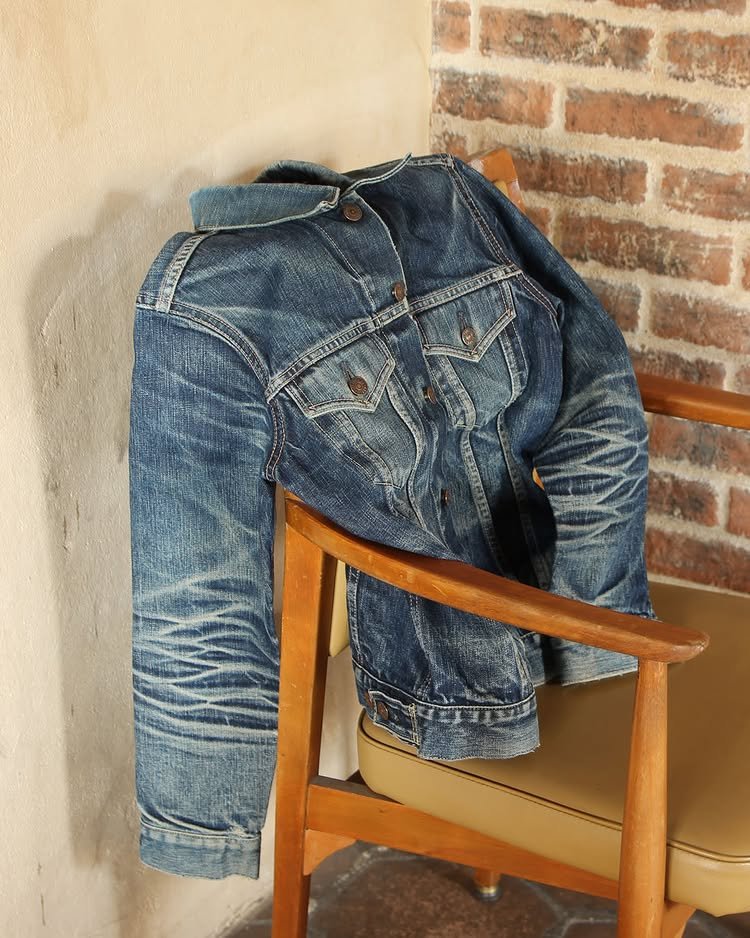
UES has roots going back to a 1967 clothing manufacturer, with the current brand generally dated to the 1990s under the Matsumoto family, and run since the 2000s by the founder’s son, Chuji. The name puns on “waste,” reflecting a philosophy of durable pieces that stop you buying junk you do not need. Denim uses defoliant-free, hand-picked cotton, often a Zimbabwe and tea-cotton blend, on antique looms.
They specialize in hard-wearing, mid-weight denim and workwear built around a distinctive cotton blend and a low-waste ethos. It is a connoisseur’s pick with a devoted following, and buyers highlight the fabric character and founder-family consistency. It is under-marketed relative to its quality, which fans consider part of the appeal.
The Flat Head
1950s Americana filtered through motorcycles, music, and obsessive detailing.
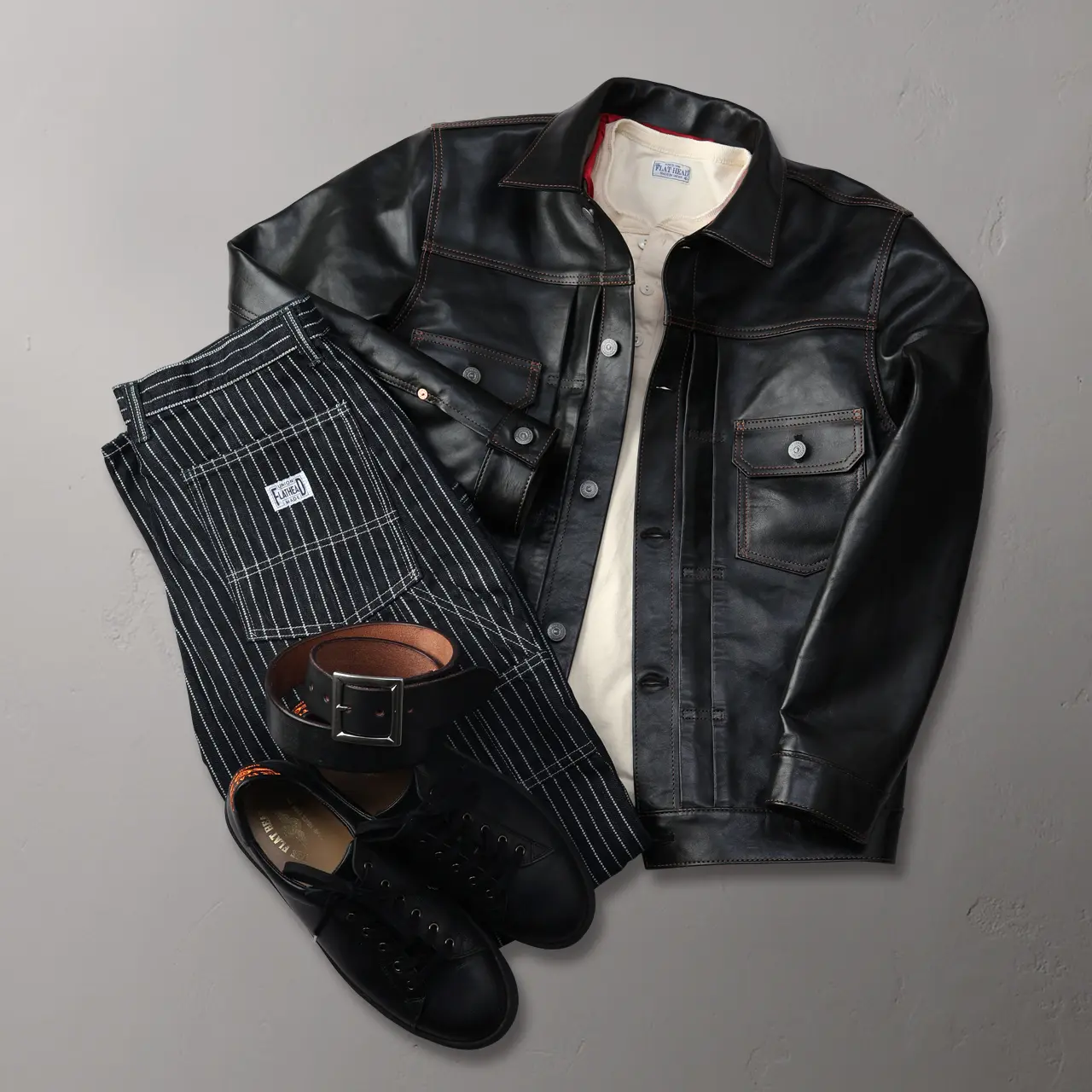
Founded in 1996 in Nagano by Masayoshi Kobayashi, a vintage dealer who repaired countless old jeans and learned construction by taking them apart. The Flat Head became known for high-contrast fading denim, dense fabric, and meticulous detailing, alongside a rockabilly and hot-rod aesthetic. The brand paused production around 2019 after leadership changes and has worked through a comeback since.
They specialize in high-contrast fading selvedge and detail-obsessed Americana, from denim to leather to sportswear. It is cult-loved for fades that are among the most dramatic in the category, and owners rave about the payoff after break-in. The knock is that its densest fabrics can be stiff and slow to soften.
Samurai Jeans
100 percent made in Japan, and a standard-bearer for heavyweight denim.
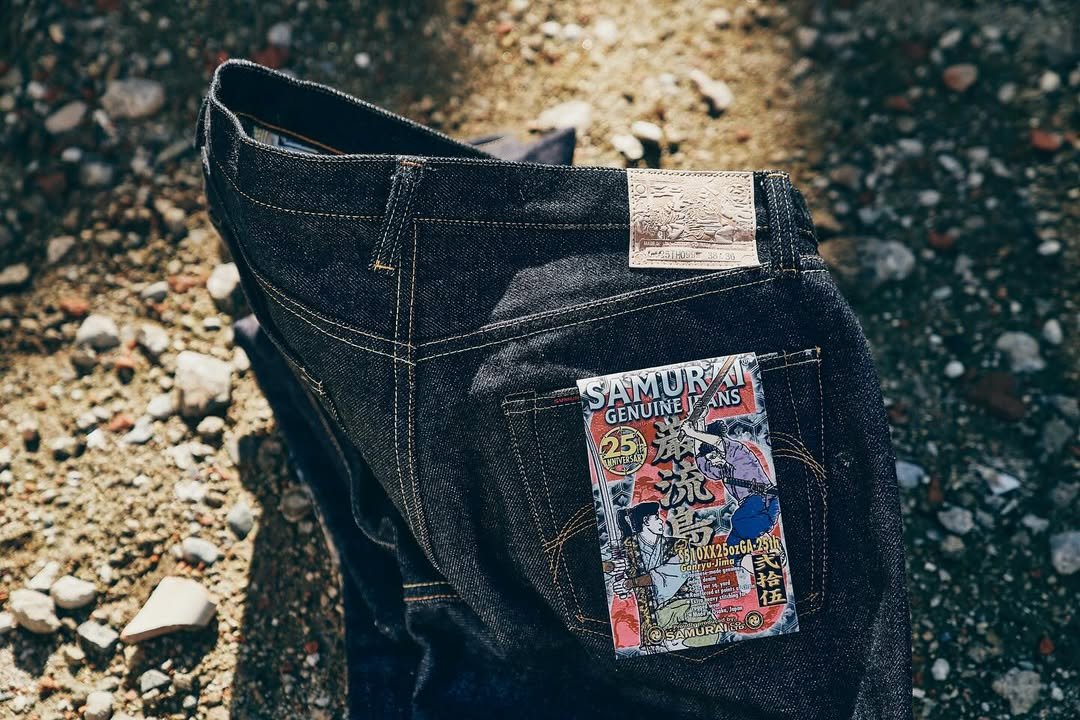
Founded in 1997 in Osaka by Toru Nogami, Samurai fuses 1950s American workwear inspiration with Japanese cultural references. Nogami pushed heavily into heavyweight fabrics, offering not just 15oz but 17, 19, 21, and even 25oz denim, along with custom details like iron buttons and silver lame selvedge. He has even grown cotton in Hyogo.
They specialize in heavyweight and ultra-heavyweight selvedge with strong texture and aggressive fade potential. It is the reference point for people who want a heavy jean with big fades, and owners praise texture and durability while warning newcomers about the demanding break-in of the heaviest weights.
Pure Blue Japan
Profound affection for indigo, expressed through slubby, textured cloth.
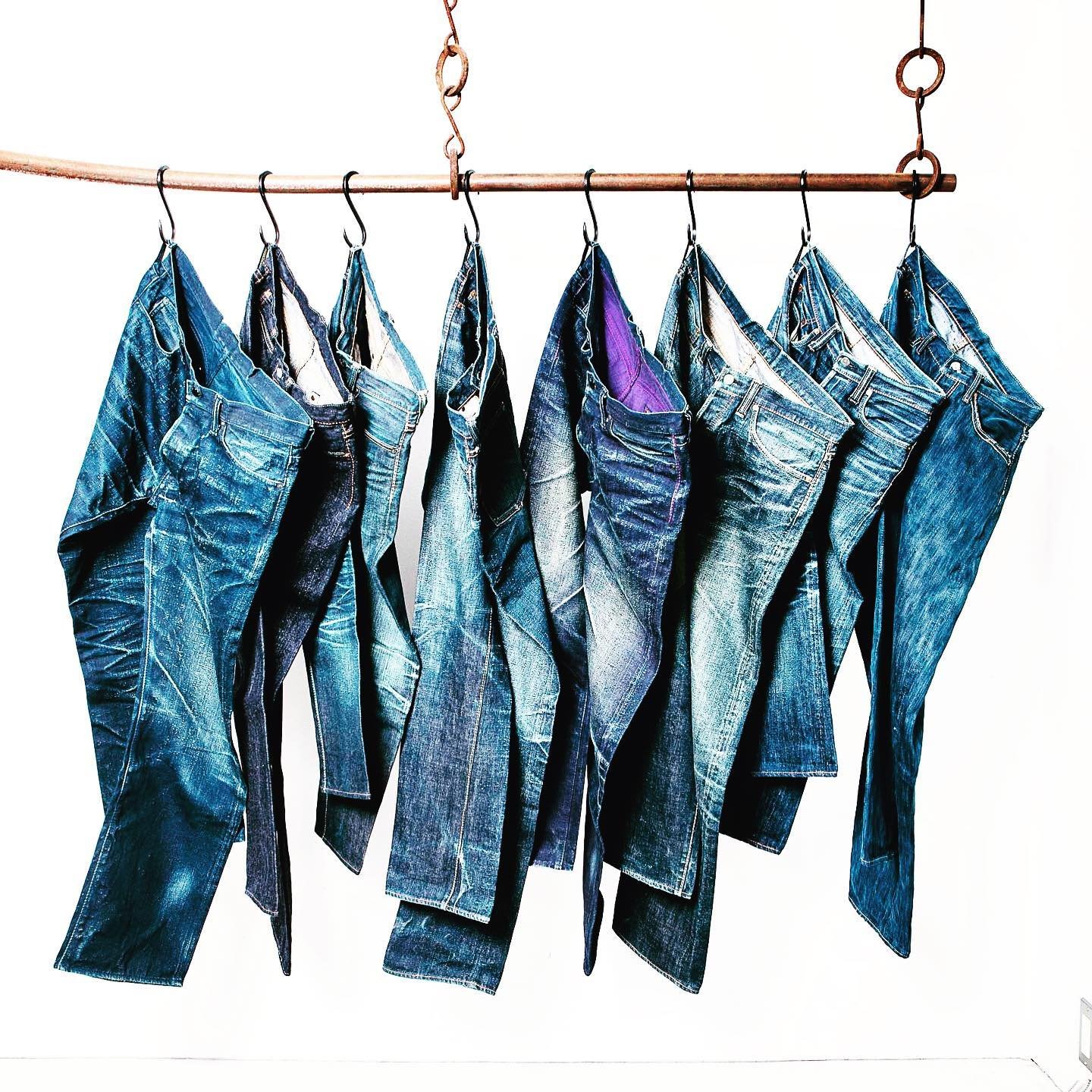
Founded in 1997 in Kurashiki, Okayama, by Ken-ichi Iwaya, who is nicknamed the “slub master.” Pure Blue Japan is defined by slubby and neppy textures, achieved by slow weaving of rope-dyed yarn on vintage shuttle looms, with an obsessive focus on indigo tone. All dyeing, weaving, sewing, and finishing happen in Japan.
They specialize in heavily textured, indigo-forward selvedge, with the XX-019 and similar fabrics as signatures. It is a favorite for people chasing texture and a deep, characterful indigo, and owners love the slubby hand and vertical fades. Some find the texture too busy for their taste, which is a matter of preference rather than quality.
The reinterpreters and modern specialists
Freewheelers
Reference and reinvention, taking vintage detail and making it valid for the present.
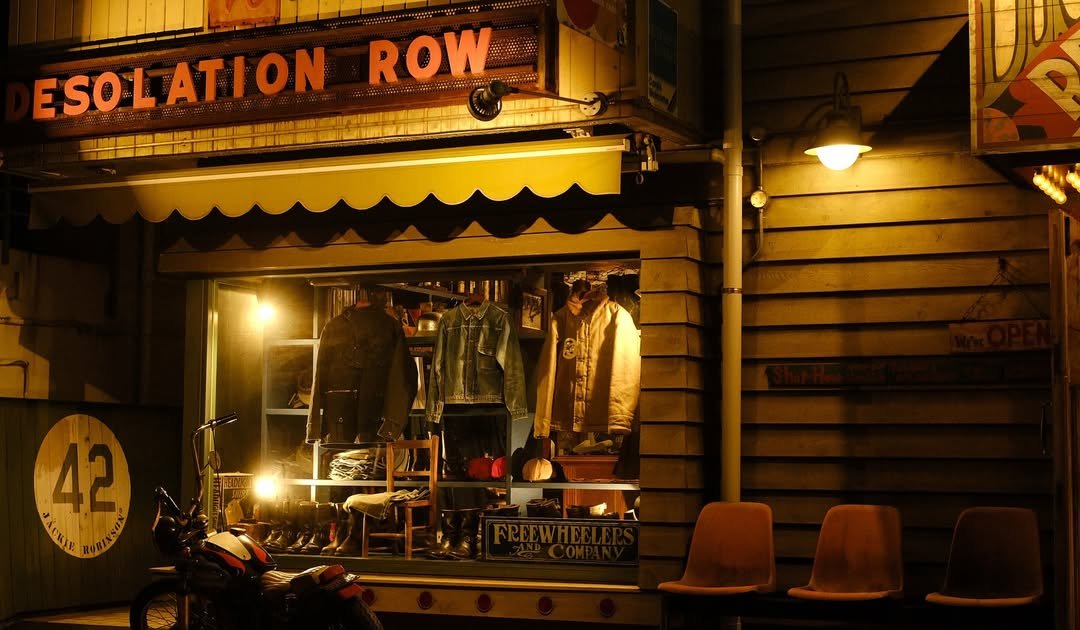
Freewheelers centers on designer Atsushi Yasui, considered one of Japan’s most talented, who began at The Real McCoy’s around age twenty and shaped many of its classics. Dissatisfied with pure reproduction, he co-founded The Bootleggers and then Freewheelers, based in Harajuku, with the current company generally dated to around 2009. The house is known for dense, characterful fabrics and highly resolved original designs rooted in early twentieth century America.
They specialize in reinterpreted vintage workwear, sportswear, and military with proprietary fabrics and heavy construction. Often described as one of the most obsessive brands in Japan, with prices to match, it draws praise for fabric depth and design integrity. It is a connoisseur’s brand rather than an entry point.
Oni Denim
A deliberately low-profile maker known for wildly textured, secretive denim.
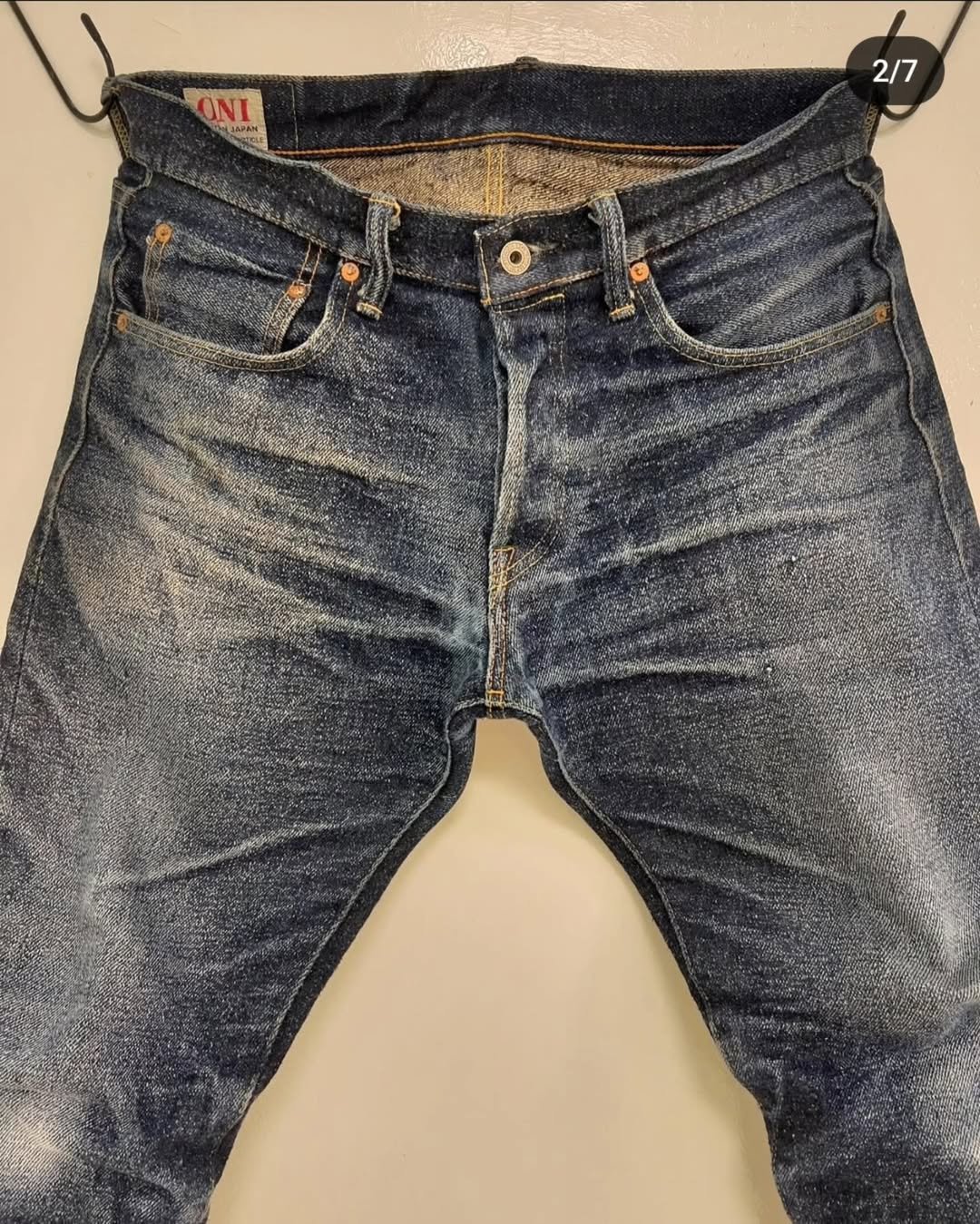
Oni is famous partly for its mystery. The founder keeps a low profile, most commonly named as Masao Oishi, a veteran of the Japanese denim industry, though details are intentionally hazy. The name “Oni,” meaning demon, reportedly came from retailers reacting to the rough, powerful texture of the fabric. Production is small, the brand keeps no official website or Instagram of its own, and its following grew almost entirely by word of mouth.
They specialize in extremely slubby, irregular “secret denim” with a hand unlike anything else, made in limited quantities. A cult favorite, it fascinates owners with its texture and its enigma, and the fabrics divide people who love or dislike the roughness. The scarcity and mystery are a genuine part of the appeal.
Iron Heart
Heavyweight, high-performance denim built for motorcyclists.
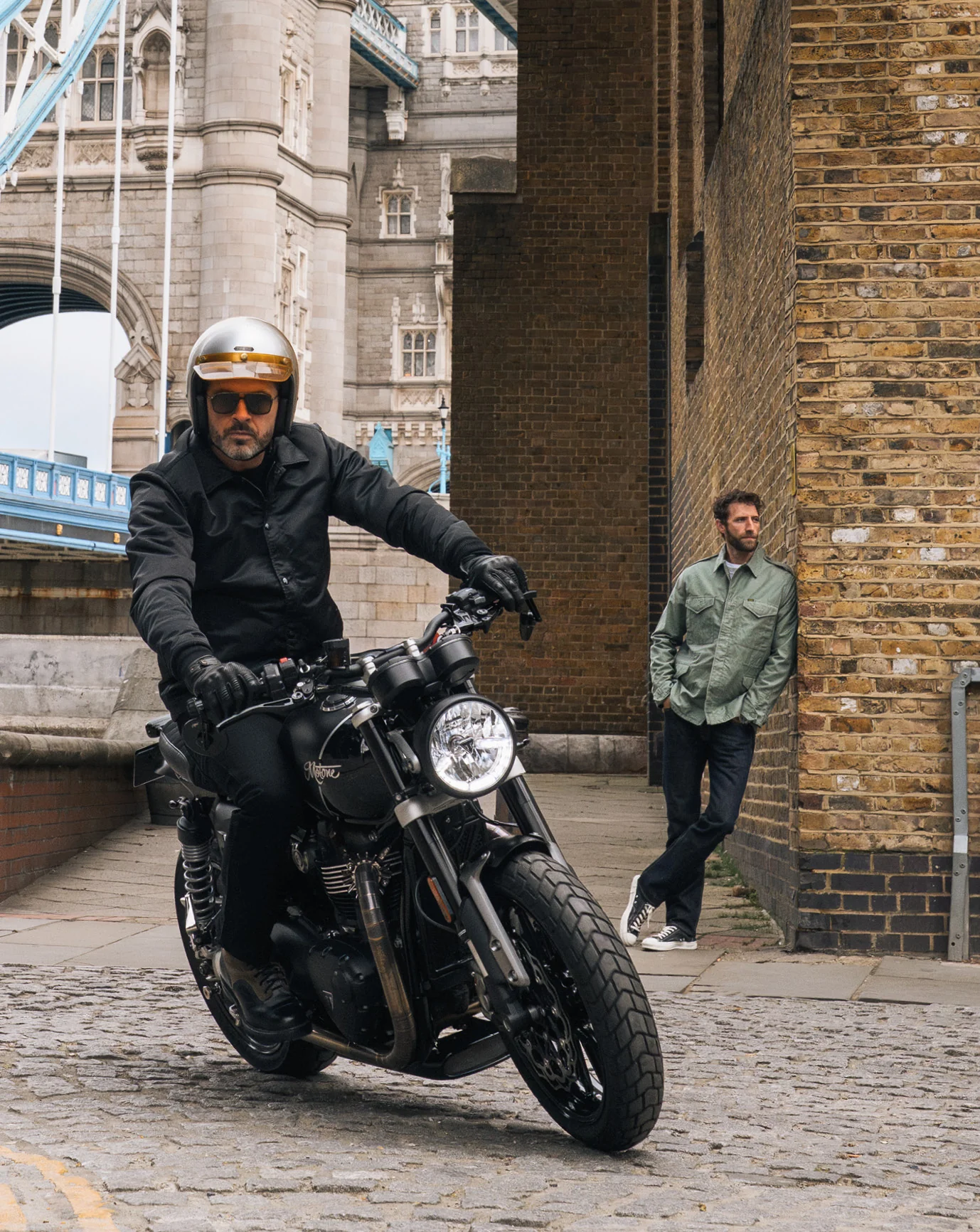
Founded in 2003 by Shinichi Haraki, who spent nearly twenty-five years in the garment industry starting as a pattern maker at Edwin. Iron Heart set out to make heavyweight denim tough enough for Harley riders, with practical adjustments like longer sleeves and handwarmer pockets on jackets. Englishman Giles Padmore built its international presence, and the brand now has a large global community.
They specialize in heavy and ultra-heavy denim and workwear engineered for durability and riding, with meticulous stitching and hardware. One of the most recognized Japanese brands worldwide, it has an unusually active owner community, and buyers praise toughness, customer service, and consistency. The recurring theme is that the heaviest fabrics are a commitment.
orSlow
“Original” plus “slow,” a deliberate, unhurried take on vintage workwear and military.
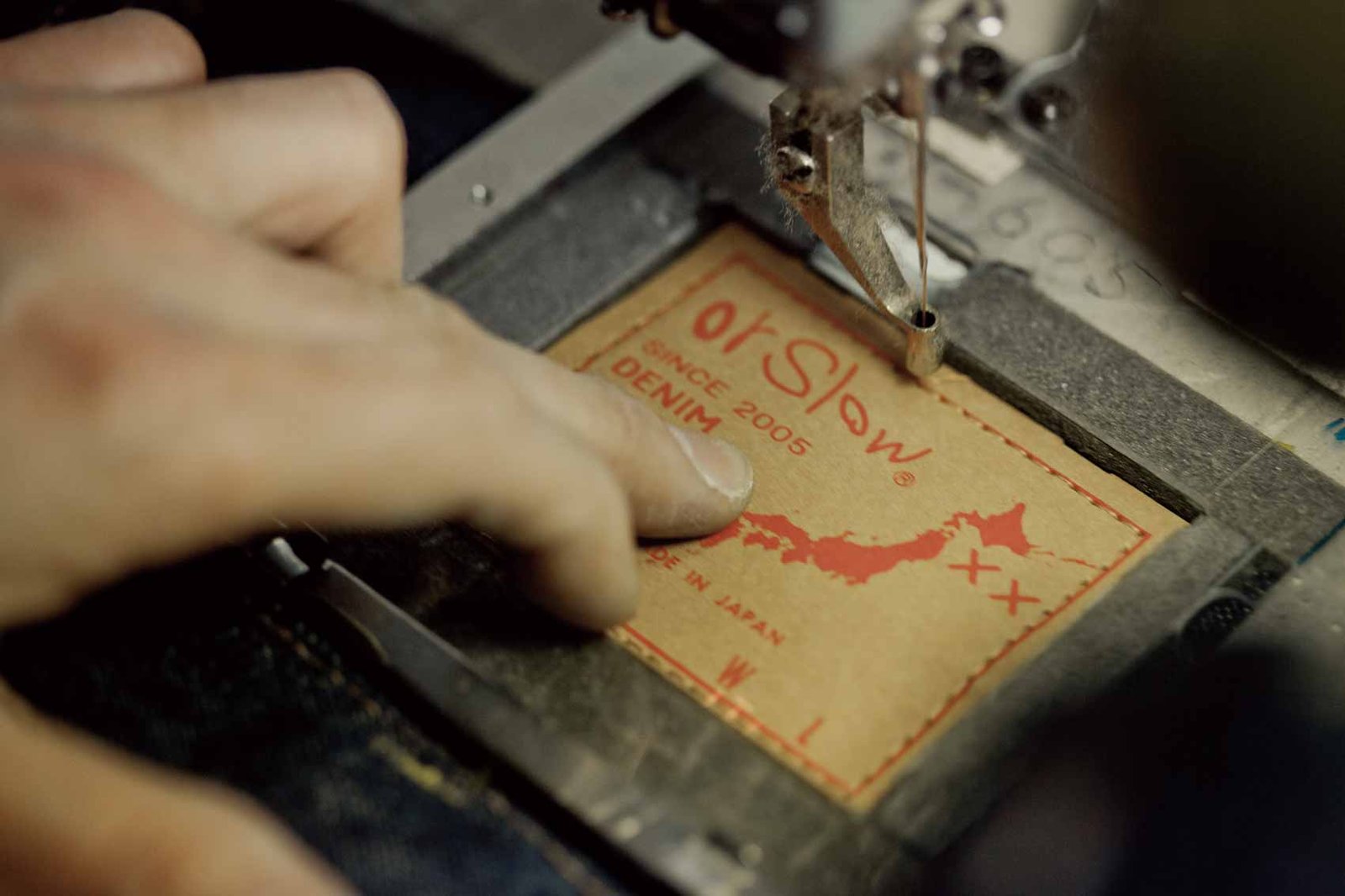
Founded in 2005 by Ichiro Nakatsu, a longtime vintage collector who studied denim lineage and worked at a Kojima jeans maker before launching. orSlow began with just a few denim styles and developed a signature lighter 9oz selvedge inspired by 1940s to 1960s denim. The aesthetic is softer, cleaner, and more everyday than the heavy-repro crowd.
They specialize in relaxed, wearable vintage-inspired denim and military pieces, often lighter weight, with a modern-casual sensibility. It is broadly loved for approachability and fit, and buyers value comfort, versatility, and understated design. It is a common gateway for people who find heavyweight repro intimidating.
Colimbo
Tough gear for real outdoorsmen, drawn from military and mountain heritage.
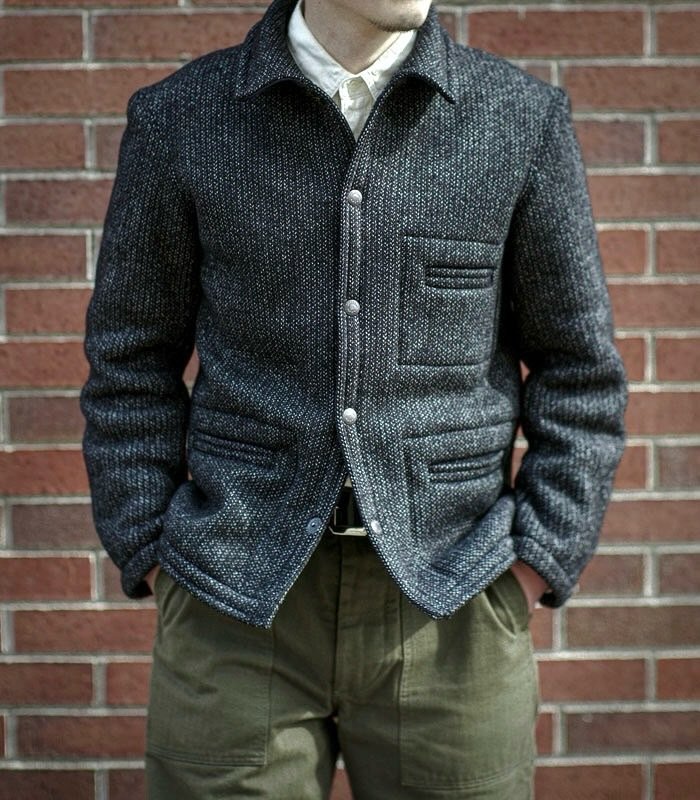
Colimbo’s founder reportedly came from the original Real McCoy’s team in the 1990s. The name comes from a water bird, the grebe, prized for water-repellent, insulating plumage, which suits the brand’s outdoor and military focus. It is sold mainly in Japan and is comparatively hard to find abroad.
They specialize in military and outdoor-oriented Americana, field and mountain garments, with a functional bent. It is quietly respected among those who know it, especially for design and value on military and outdoor pieces, and limited overseas distribution keeps it a relative insider pick.
Trophy Clothing
“Satisfaction Guaranteed.”
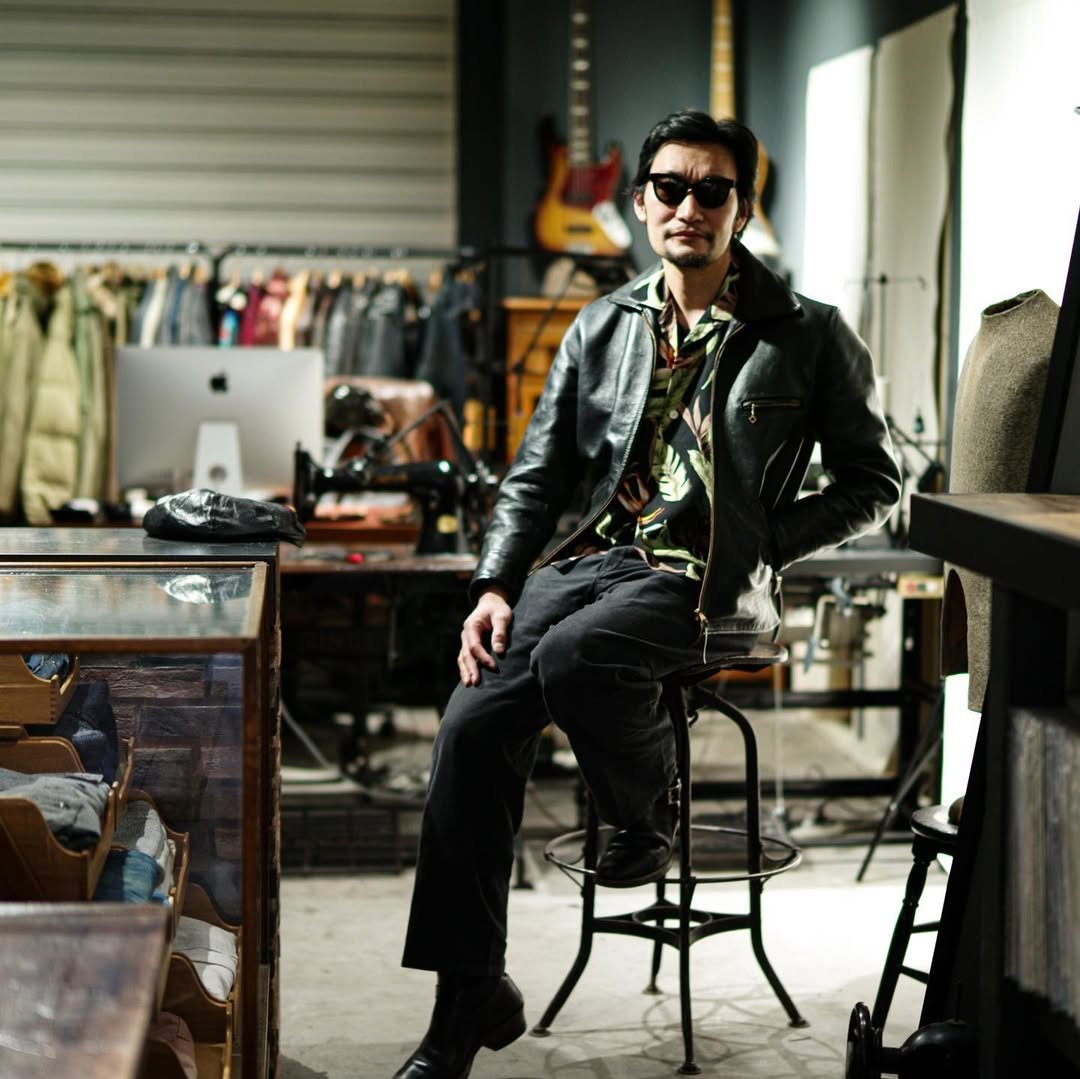
Founded in 2005 by Masaki Egawa, a Tokyo-based enthusiast of American vintage military clothing and motorcycles. Trophy draws on small, half-forgotten American labels and builds modern garments with heavy respect for heritage, made largely by hand in the Japanese textile tradition. It is best known for staples like 1940s civilian trousers, baker pants, chambray shirts, and its low-tension “Dirt Denim.”
They specialize in biker-and-workwear Americana with a signature low-tension denim and a strong everyday-staples lineup. It is well liked for wearable fits and characterful basics, and owners single out the Dirt Denim and the trousers. It is a mid-sized name with a devoted, style-conscious following.
Jelado
Museum-level vintage authenticity with modern wearability, spanning the 1930s to 1970s.
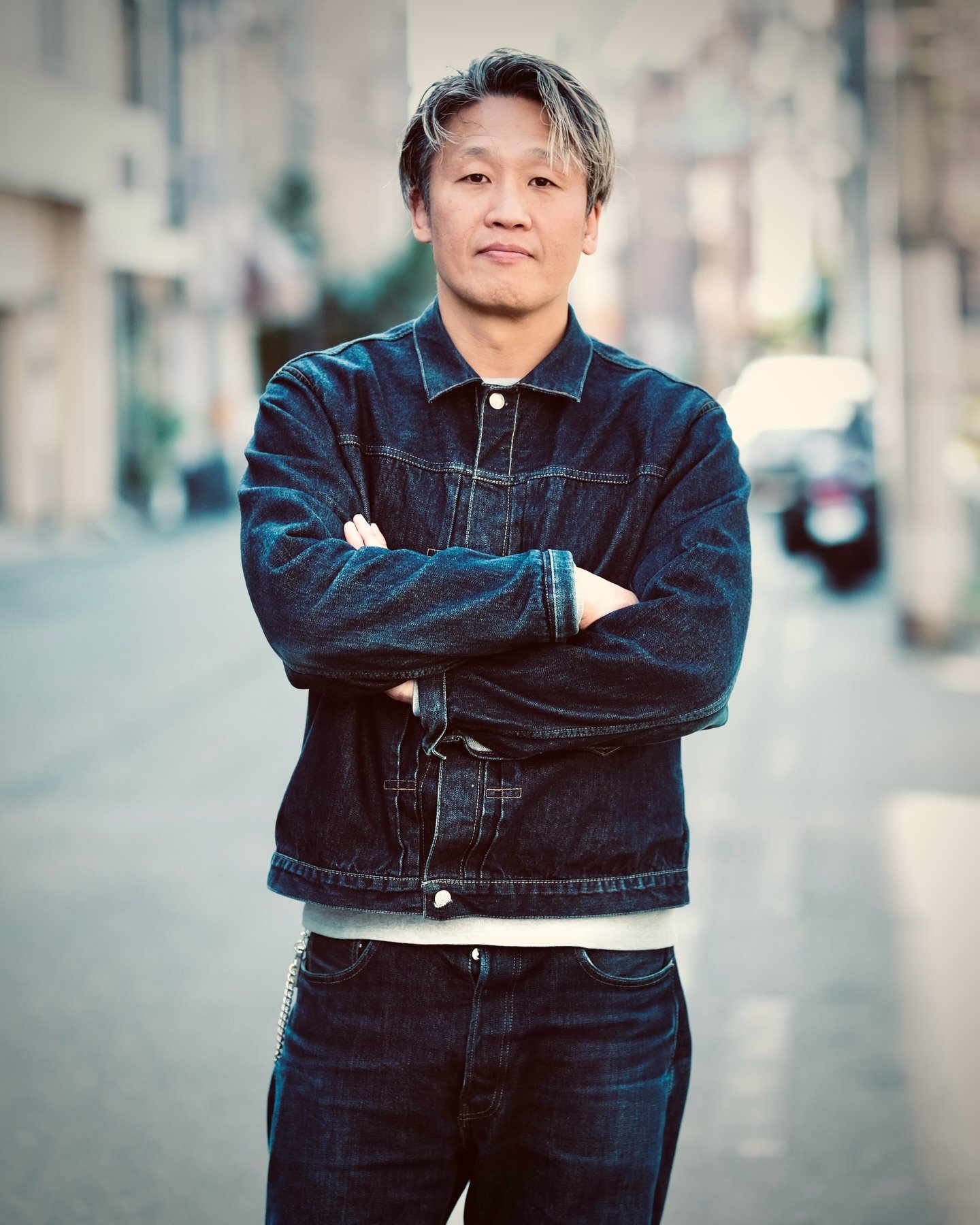
Founded in 2005 by Yohei Goto, a former professional kickboxer and vintage clothing dealer with a huge personal archive. Goto’s process includes dismantling deadstock and analyzing fiber length, thread thickness, twist, and thread count with an inspection agency, then reproducing pieces in modern silhouettes. The range spans workwear, Americana, and more relaxed vintage-inspired styling.
They specialize in highly researched reproductions and vintage-styled clothing with contemporary fits, across a wide historical span. It is respected for authenticity paired with real wearability, and buyers appreciate that the research does not come at the cost of comfort or fit. Its reputation has grown steadily.
Black Sign
American style from the Victorian era to World War II, reinterpreted by hand through one collector’s minimalist eye.
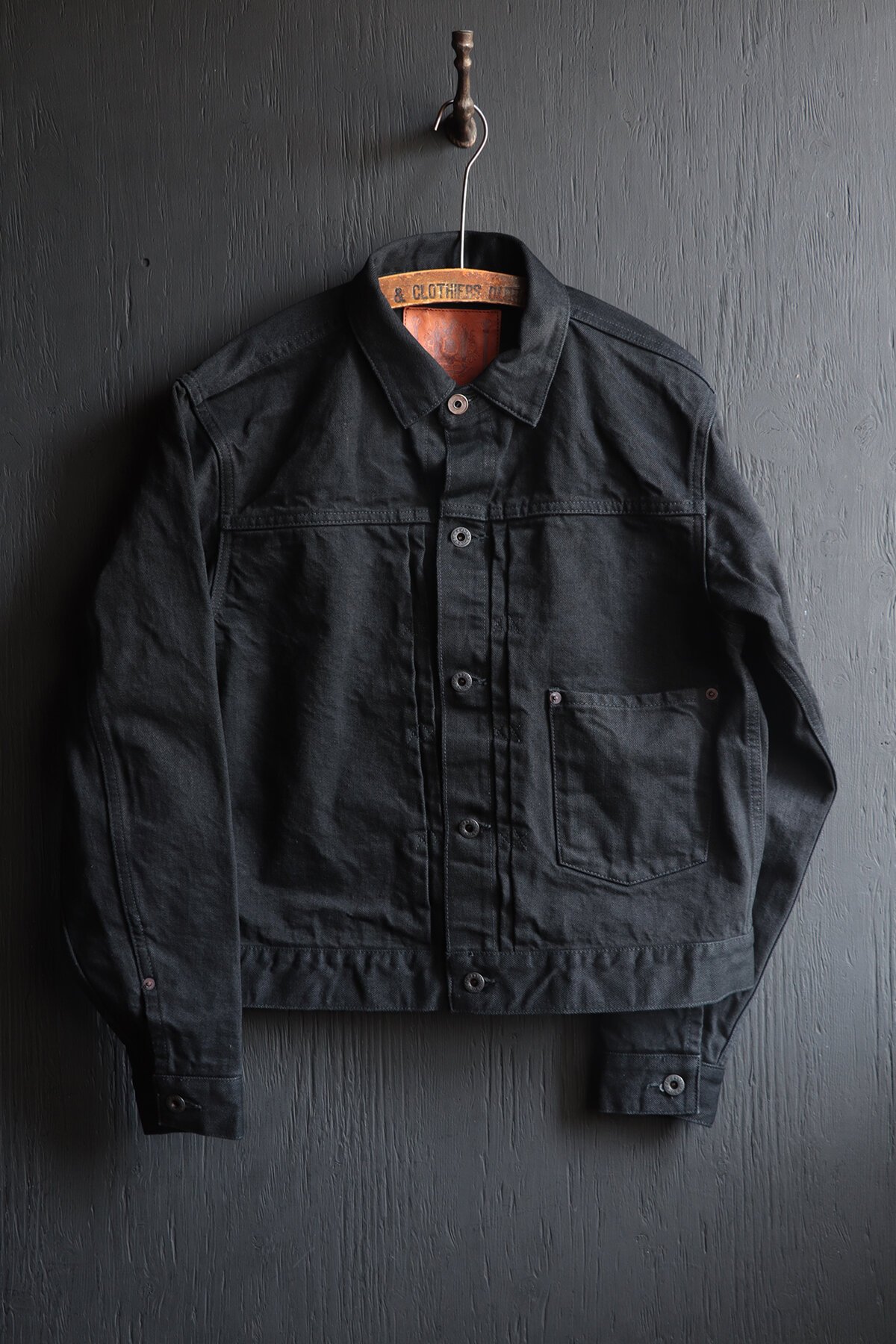
Black Sign is a Nagoya brand from Takanori Okamoto, a longtime collector of vintage clothing, motorcycle parts, and art objects, and the founder of the well-known Mom Pop Shop in Nagoya. His references run from the Victorian era through World War II American culture, and rather than straight reproduction he combines original elements and reinterpretations, with subtle gothic and steampunk undertones folded into a spare, minimalist design. The garments are made by hand by skilled makers, with no large machines or conveyor belts, and the brand operates from its Black Sign Main Lodge in Nagoya.
They specialize in hand-made, vintage-inspired workwear, jackets, trousers, shirts, and footwear with a distinctive, slightly eccentric minimalism rather than faithful copying. It is admired by collectors for craftsmanship and a singular point of view, sits at a premium price, and reaches a select network of retailers across Japan, the United States, Europe, and Asia.
The Okayama value and craft generation
Kojima Genes
Serious Kojima selvedge at a price that argues jeans should not cost a fortune.
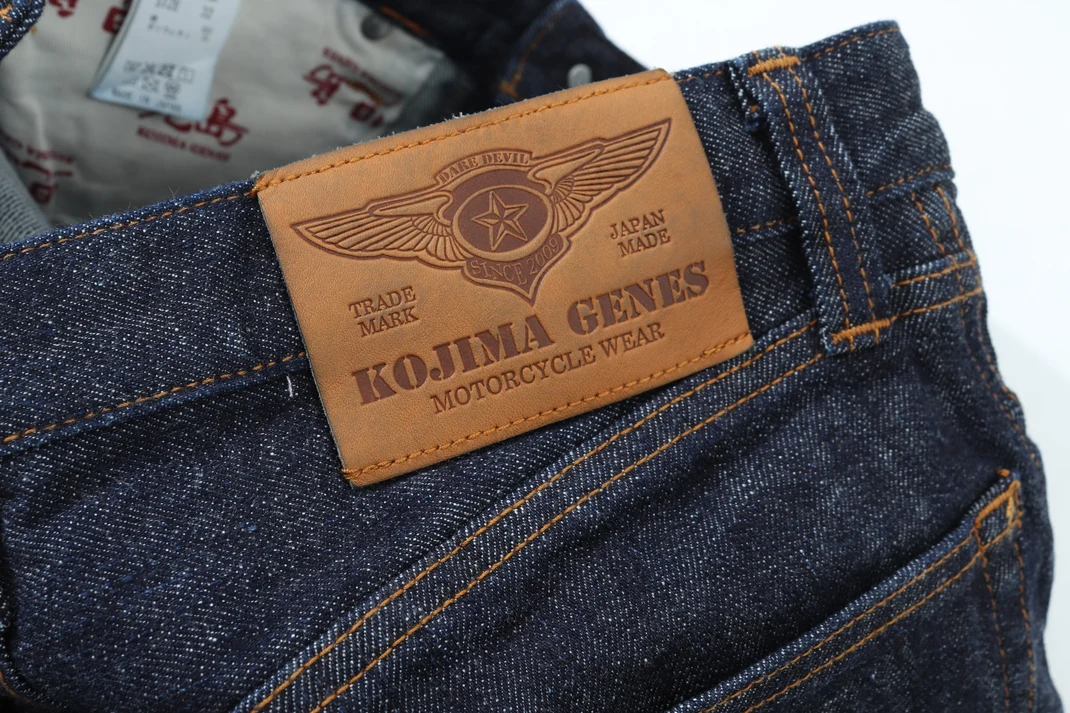
Kojima Genes was founded by Hidemitsu Kawazome, born and raised in Kojima, Okayama, with the brand commonly placed in the mid-2000s. Kawazome’s stated philosophy is that quality jeans should be attainable, and the brand is known for well-made selvedge at accessible prices, plus some experimental fabrics.
They specialize in value-focused Kojima selvedge with a broad, sometimes playful range. It is a favorite recommendation for a first “real” Japanese jean on a budget, and buyers cite strong value and honest construction. It is not a prestige object, and that is the pitch.
Momotaro Jeans
Kojima’s folk-tale brand, spinning, dyeing, and weaving much of its own cloth.
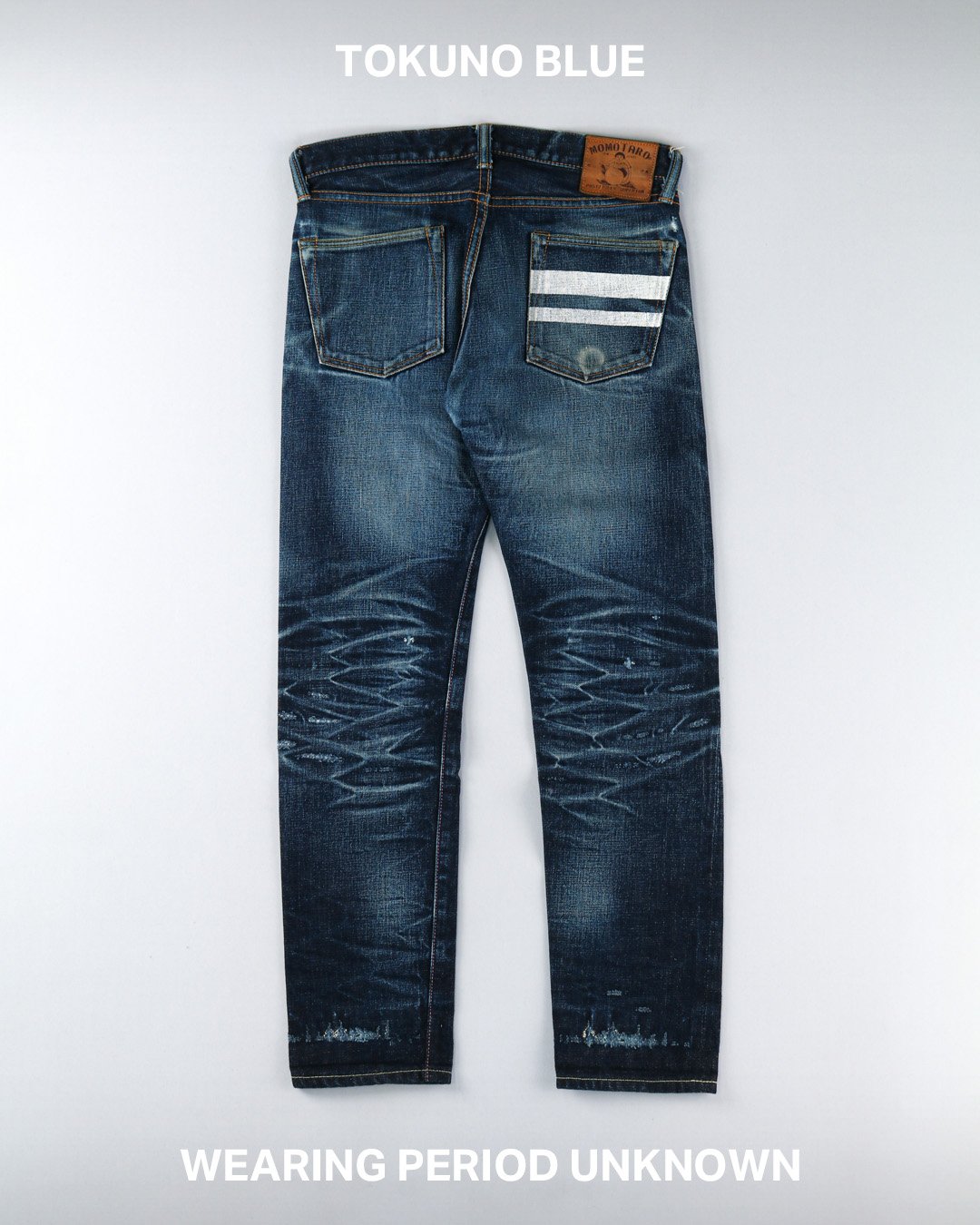
Momotaro launched around 2006 under Hisao Manabe, whose Japan Blue Group had run the Collect textile mill and indigo dyeing operations in Kojima since 1992. Named after the peach-boy folk tale, the brand spins its own yarn, uses natural indigo from Tokushima, and weaves flagship fabrics on vintage shuttle looms, some hand-cranked. The white “battle stripes” on the back pocket are a signature, and Manabe is also credited with reviving Kojima’s Jeans Street.
They specialize in vertically integrated, natural-indigo selvedge with strong fades, from a value line up to premium hand-woven fabrics that command real reverence. Internationally it is one of the most recognized and recommended Japanese brands, and owners praise fabric quality, fades, and the integrated craft story.
Stevenson Overall Co.
A revived American workwear name, rebuilt in Japan with turn-of-the-century detailing.
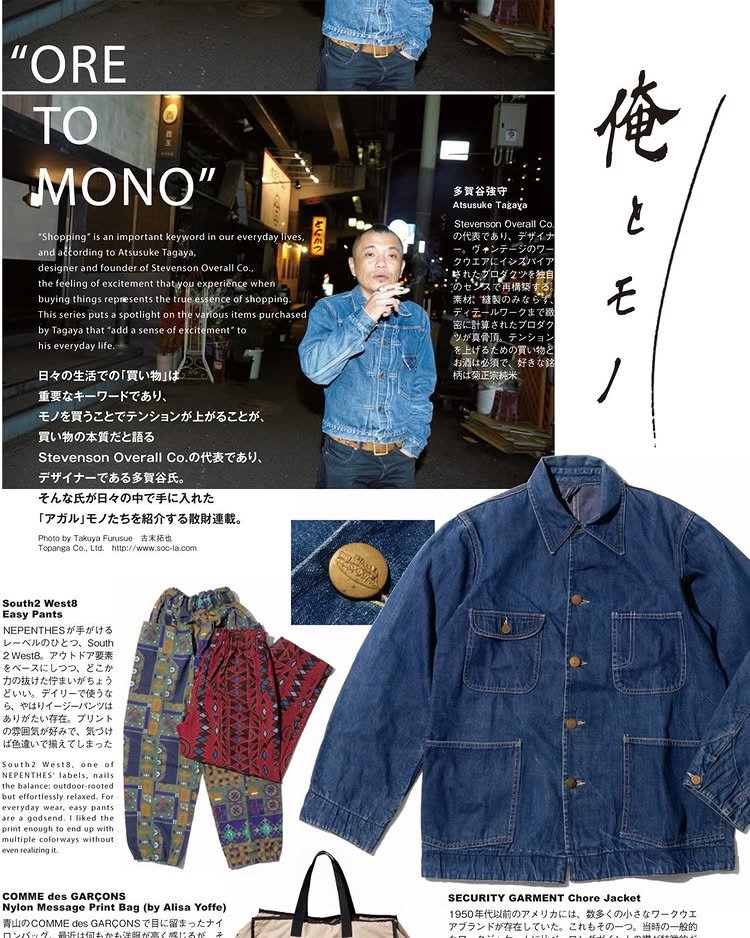
Founded in 2005 by vintage collectors Zip Stevenson, a relative of the original American company’s owner, and Atsusuke Tagaya of Japan. The original Stevenson Overall Company ran in Indiana from about 1920 to 1930 before the Depression ended it. The revived brand recreates early twentieth century styles, sewn on vintage machines with single-needle construction and unusual detailing.
They specialize in early-1900s-flavored workwear and denim with idiosyncratic design touches and a strong western influence. It is admired for originality and detailing that stands apart from straight 501 clones, and buyers enjoy the unusual silhouettes and hardware. It is a distinctive, somewhat under-the-radar name with committed fans.
Gladhand & Co.
Subtly strange, high-quality Americana with a vintage-machine backbone and a heavy vintage-mobster streak.
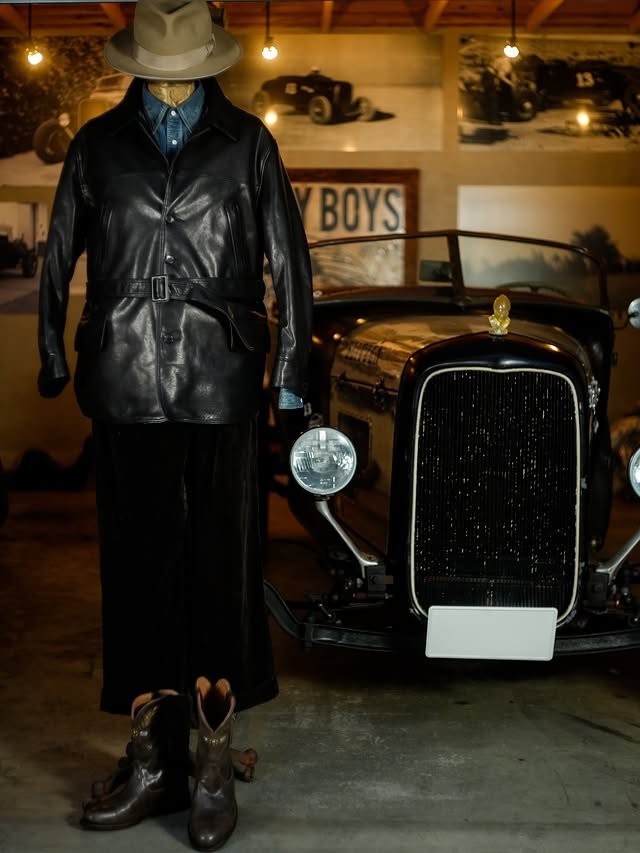
Gladhand has operated since around 2009. It is known for loopwheel knit tees made on vintage machines and a design language steeped in early twentieth century American counterculture, leaning hard into vintage mobster and gangster imagery: gambling, tattoos, liquor, pin-ups, and Prohibition-era style. It sits within a family of related labels and collaborations, including Weirdo and Old Crow.
They specialize in loopwheeled knits, pack tees, and rugged vintage-Americana staples with a distinctive graphic identity built around that gangster-era romance. It is prized for its tees and its consistent aesthetic, and buyers value the loopwheel quality and the point of view. It is more of a lifestyle-and-basics brand than a denim-fade obsession.
TCB Jeans
“Taking Care of Business,” also lovingly the “Two Cats Brand,” faithful mid-century reproduction at fair prices.
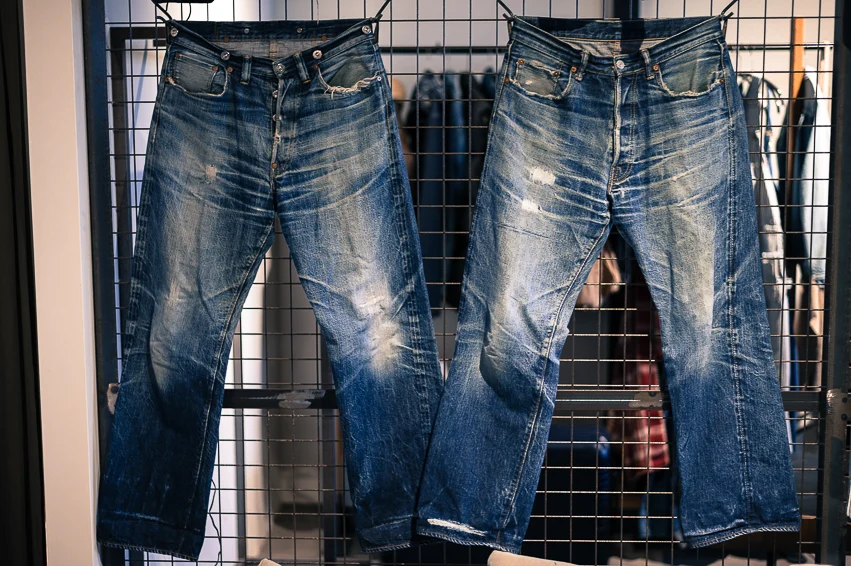
Founded in 2012 in Kojima by Hajime Inoue, who had worked in garments from his teens and set up his own sewing company in 2008. TCB nods to Levi’s “Two Horse Brand” with its own two cats. It reproduces 1920s to 1960s American denim, though Inoue blends details from several vintage pieces rather than copying one exactly, and aims to improve on the originals.
They specialize in accurate, fairly priced vintage-Levi’s-style reproductions, made in-house in Kojima. A community darling for value and authenticity, it repeatedly earns praise for its price-to-quality ratio and its friendly, transparent brand personality, and it is frequently recommended for a first serious repro jean.
The Strike Gold
Kojima selvedge that redefined “slubby,” from a maker rooted in a denim retail shop.
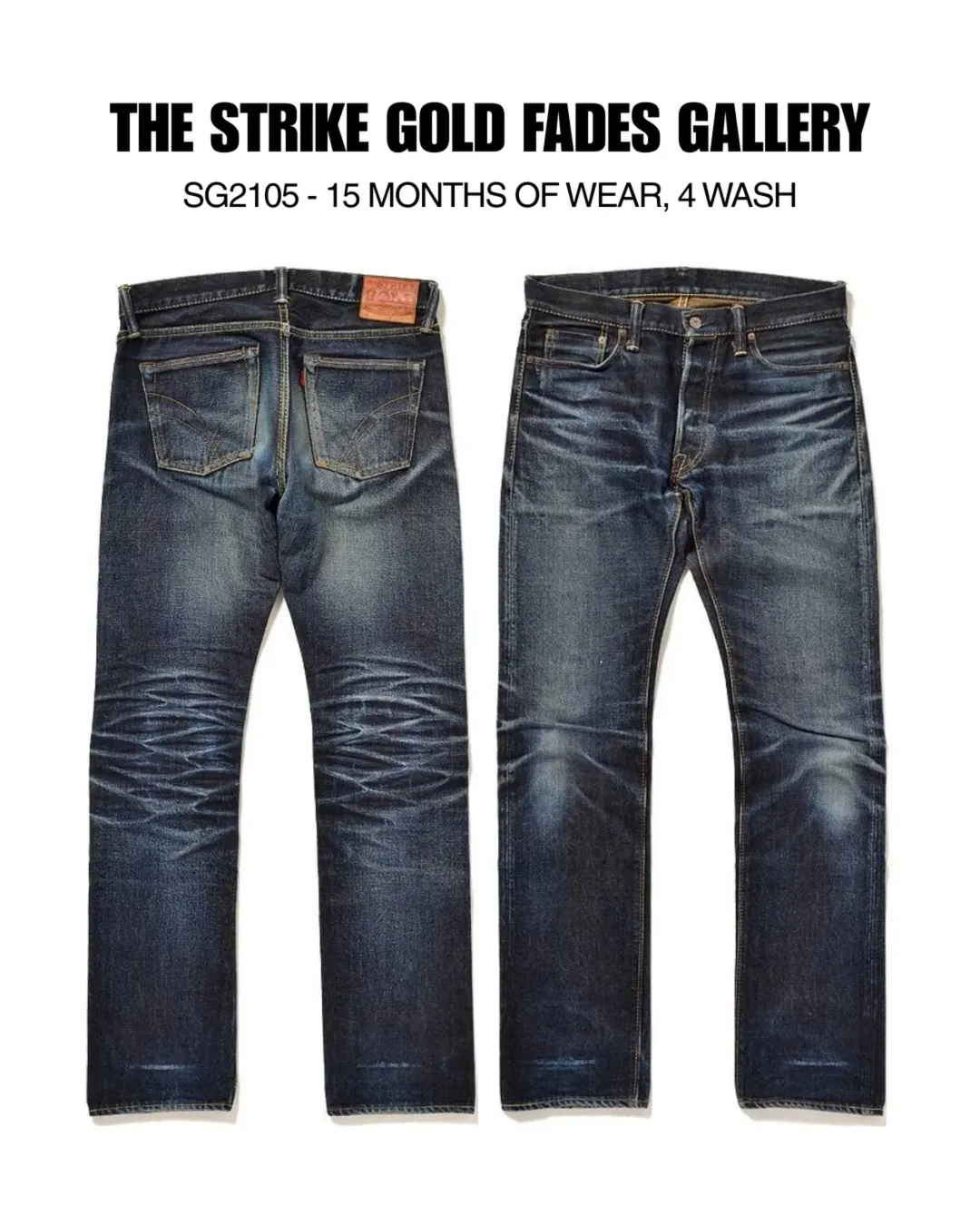
Founded by Tohru Hamamoto, with Yoshiko Hamamoto, in Kojima, Okayama. Hamamoto started the Klax-On retail brand for American casual wear around 2002 and debuted The Strike Gold denim around 2009. The Classic Series 15oz selvedge became known for a deeply irregular, slubby texture that fans compared to the character of a hand-woven rug. The brand does not run its own web shop, and Klax-On is its home store.
They specialize in textured, slubby selvedge with classic fits and a focus on fabric character. It is cult-loved for texture and fades, and owners praise the slubby hand and the value. It holds a strong mid-tier reputation, especially among people who chase fabric character over brand name.
Japan Blue Jeans
Kojima’s in-house mill quality, tailored to modern fits at an accessible price.
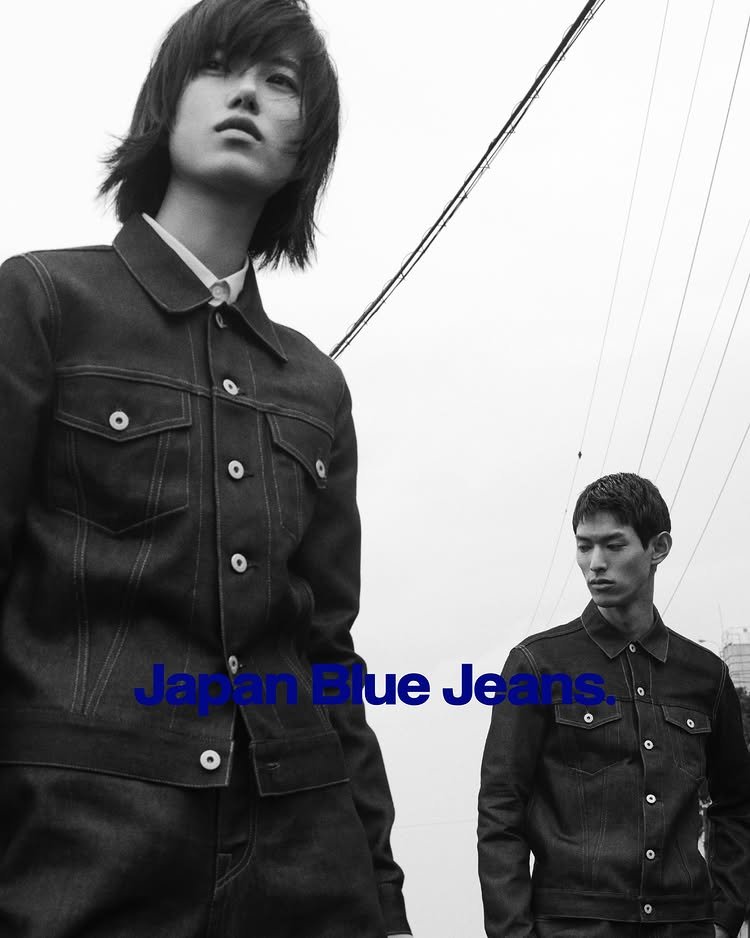
Launched in 2010 by the Japan Blue Group, the same Kojima operation behind Momotaro and the Collect mill. Where Momotaro leans purist and traditional, Japan Blue is the accessible, contemporary line, showcasing fabrics developed in-house in modern cuts. Vertical integration, from rope dyeing to stitching in Okayama, is the core advantage.
They specialize in well-priced, modern-fitting selvedge from a genuine mill, with strong quality control. It is one of the most recommended value picks in the category, and buyers highlight the fit range and the fact that you are getting real mill fabric without the flagship price.
Resolute
One founder’s continued pursuit of the perfect vintage 501, after Denime.
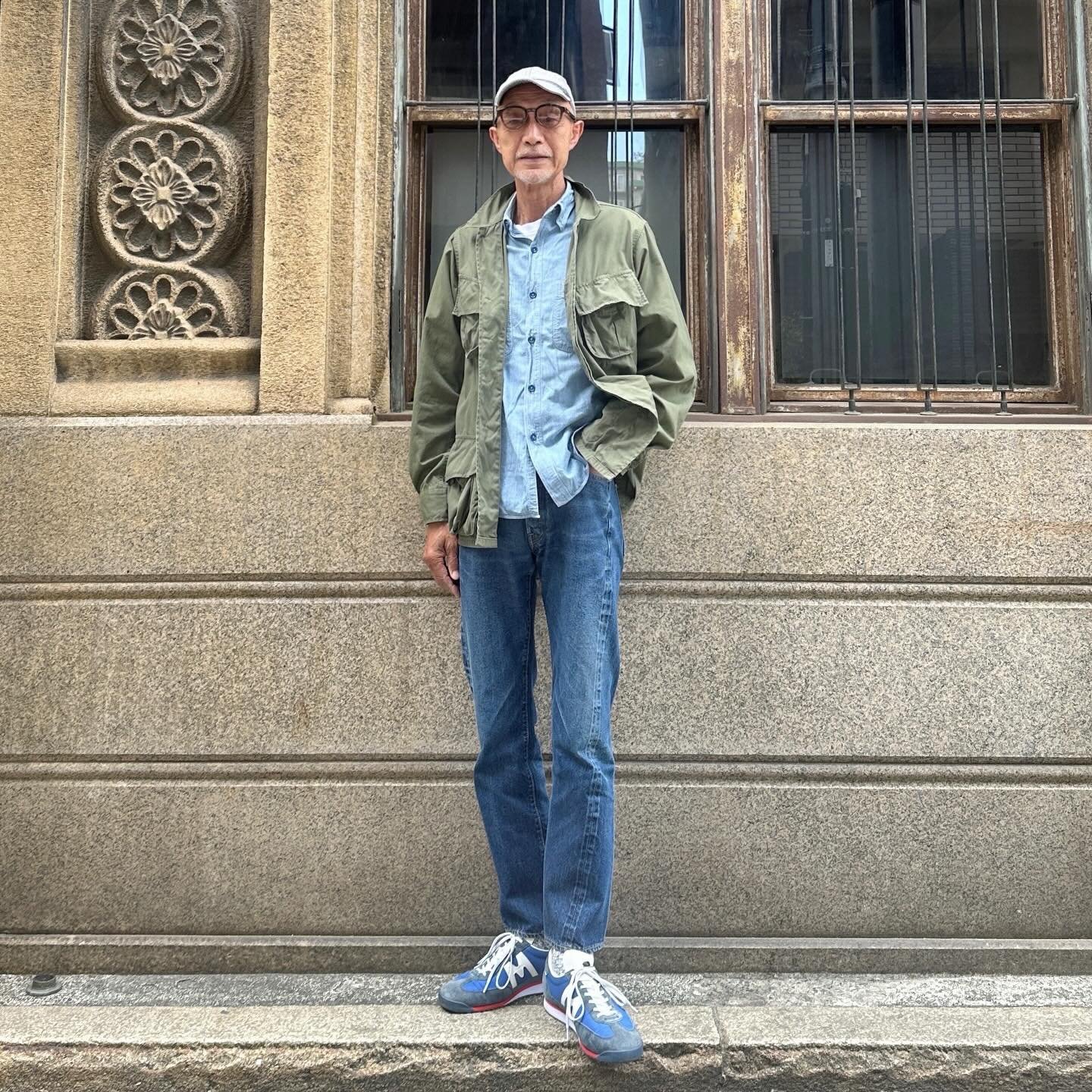
Resolute was started in 2010 by Yoshiyuki Hayashi, the founder of Denime, after that brand was acquired and he felt creatively constrained. It is treated as the spiritual successor to Denime. The flagship 710 is based on the 1960s 501 and offered in a famously huge run of sizes and lengths, woven in Okayama and sewn at a factory once tied to Levi’s Japan.
They specialize in single-minded, wearable reproduction of 1960s straight-leg 501s, tuned for the Japanese body. Quietly revered, especially by those who followed Hayashi from Denime, it earns praise for clean fades and an everyday-wearable cut, and it avoids gimmicks entirely.
Ooe Yofukuten
“The world’s smallest brand,” a husband and wife making everything by hand.
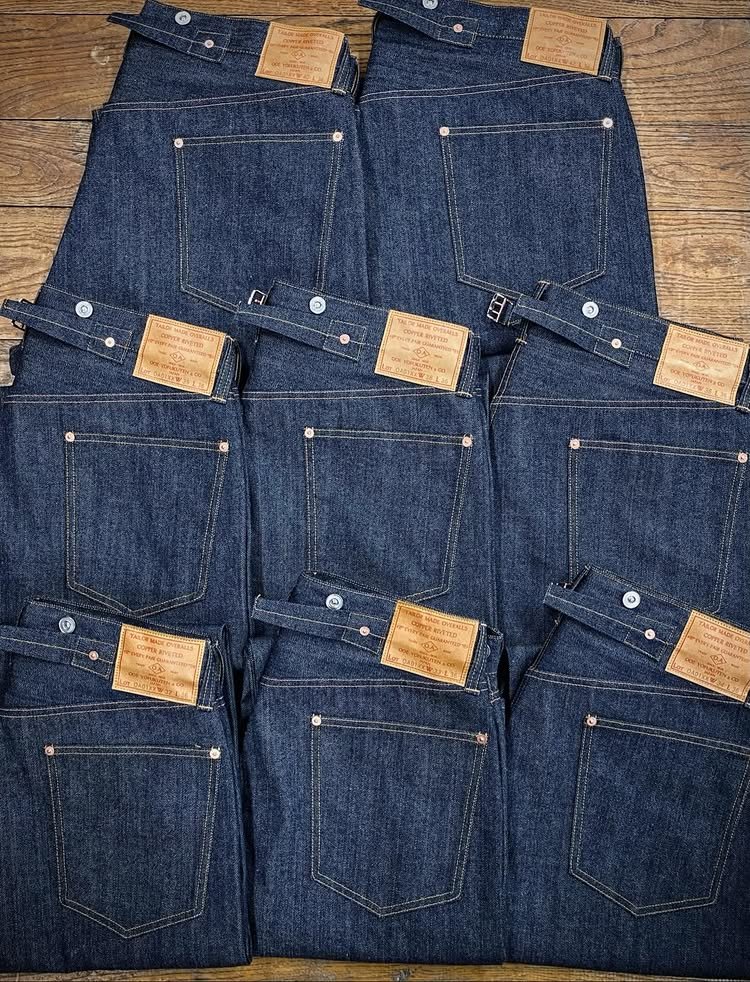
Ooe Yofukuten is run by a married couple, Ryo and Hiro Oe, working out of a small studio in Ichinomiya, with the brand generally dated to the late 2000s. Ryo grew up loving vintage jeans, inspired by his tailor grandfather, whose shop name the brand honors. They taught themselves sewing and patternmaking, and hand-rope-dye and construct their garments in tiny quantities.
They specialize in hand-made, hand-dyed reproduction denim and workwear produced in extremely limited numbers. Deeply admired for craft and story, the pieces are hard to get because output is so small, and owners speak about them almost as heirlooms rather than products.
The 2010s and the newest wave
Boncoura
Studied, ground-up reproduction defined by restraint. The name plays on “bon courage” and “bonkura,” a stubborn devotee.
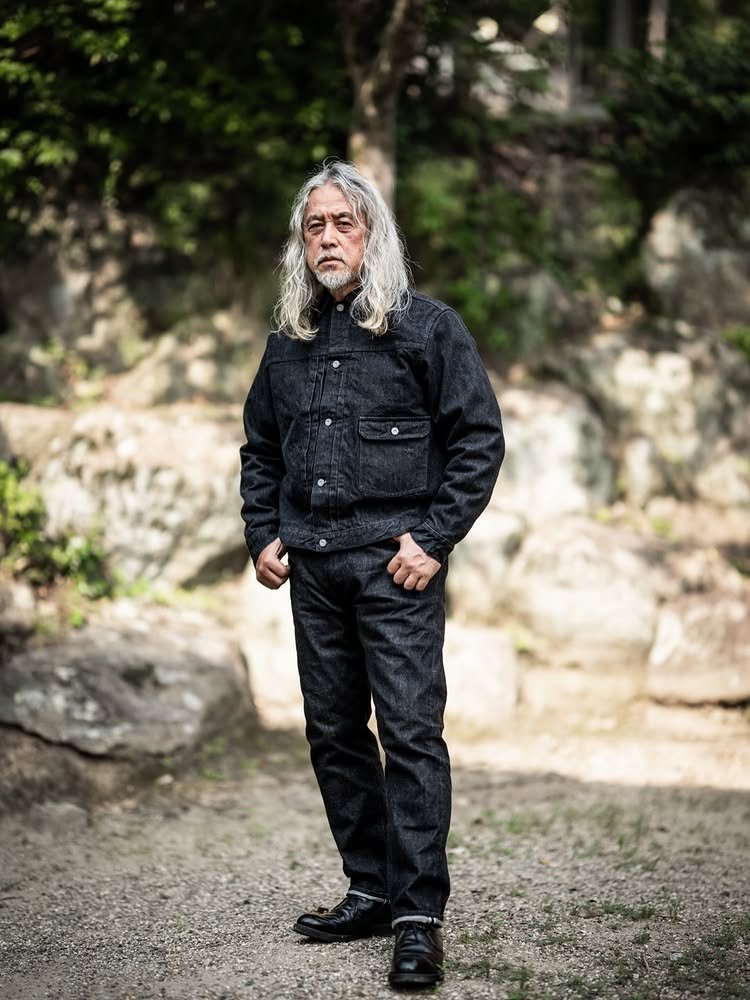
Founded in 2011 by Hisashi Morishima, who grew up around Osaka’s Amerikamura district and built an extensive personal archive of military garments, workwear, and denim. Rather than copying a vintage look, Boncoura recreates texture, construction, and how a garment ages, developing original fabrics with Japanese mills over years before releasing them. The 66 jean is a signature.
They specialize in restrained, obsessively studied reproductions of 1950s and 1960s denim and workwear. A favorite of people who value understatement over visual noise, it earns praise for fit and the natural way the denim ages, and is widely regarded as one of the best modern repro houses if restraint is what you value.
Burgus Plus
A “citadel” of reliable Americana staples, from a respected Tokyo retailer.
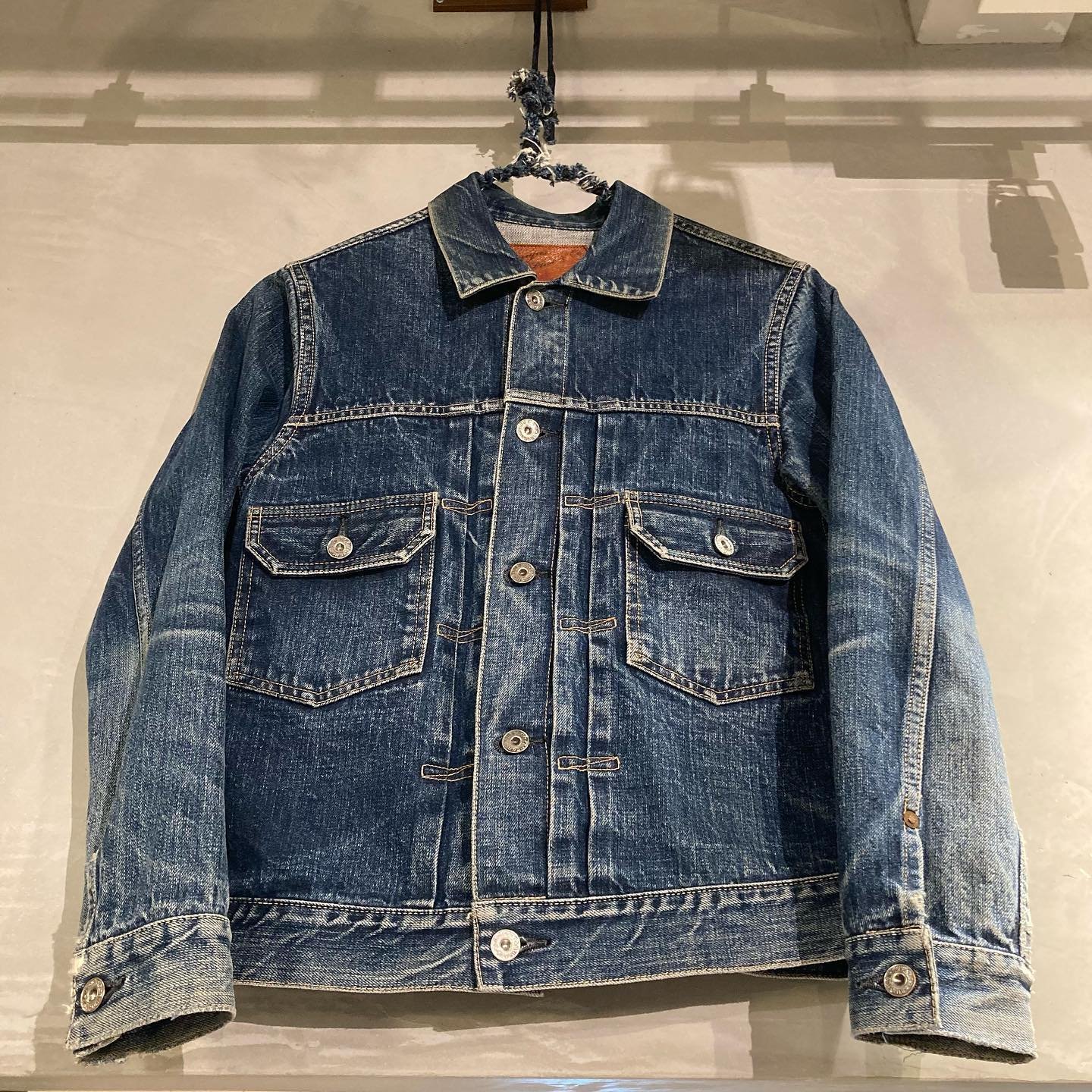
Burgus Plus started in 1997 as a house brand developed by Hinoya, the well-known Tokyo denim retailer. The name comes from a medieval Latin word for fort or citadel, chosen to signal a bastion of quality and attention to detail. It focuses on practical, dependable Americana such as denim and chinos, with consistent construction and solid fabrics.
They specialize in reliable, well-priced everyday denim and workwear staples with retailer-backed quality control. It is seen as strong value and a dependable everyday choice rather than a showpiece, and buyers appreciate the consistency and price. It is a quietly respected name, especially in Japan through Hinoya.
Omoto Denim
“Ordinary” denim made exceptionally well, from a Japan Blue founder’s new venture. The name comes from the omoto plant, which changes appearance daily.
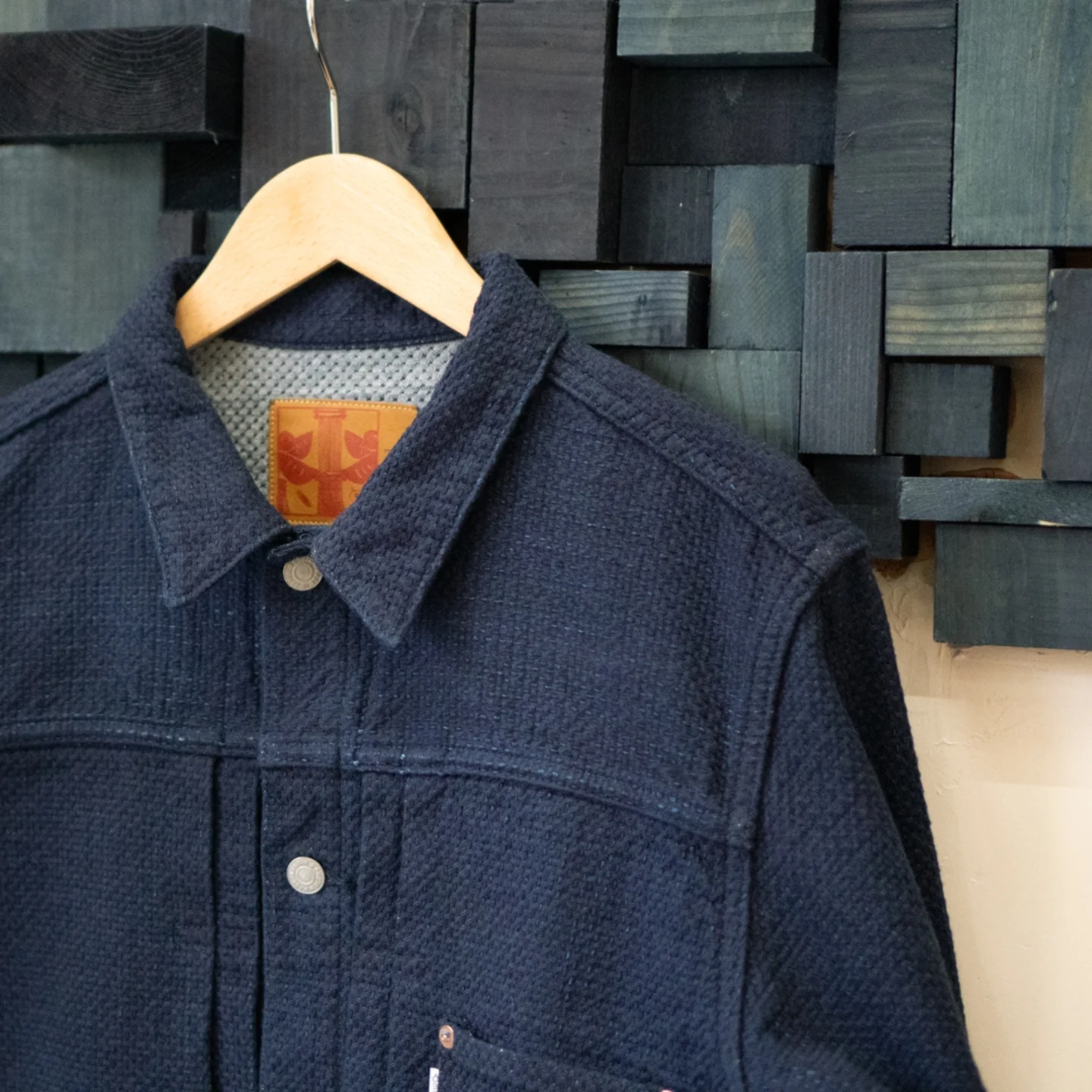
Omoto is very new, founded around 2025 in Kojima by Hiroki Kishimoto, who helped build Japan Blue and spent decades in denim fabric development starting at the Collect mill in 1992. Omoto makes pure-indigo, rope-dyed selvedge on vintage shuttle looms, with a deliberately narrow range and a philosophy of refined, everyday “ordinary” denim, which in a Japanese context signals quiet excellence.
They specialize in pure-indigo selvedge everyday jeans with mill-level fabric expertise and a minimal lineup. As a 2025 launch its long-term standing is still forming, but early coverage frames it as a credible, pedigreed newcomer given Kishimoto’s track record.
Tanuki
A collective of veteran artisans focused on indigo depth and refined texture.
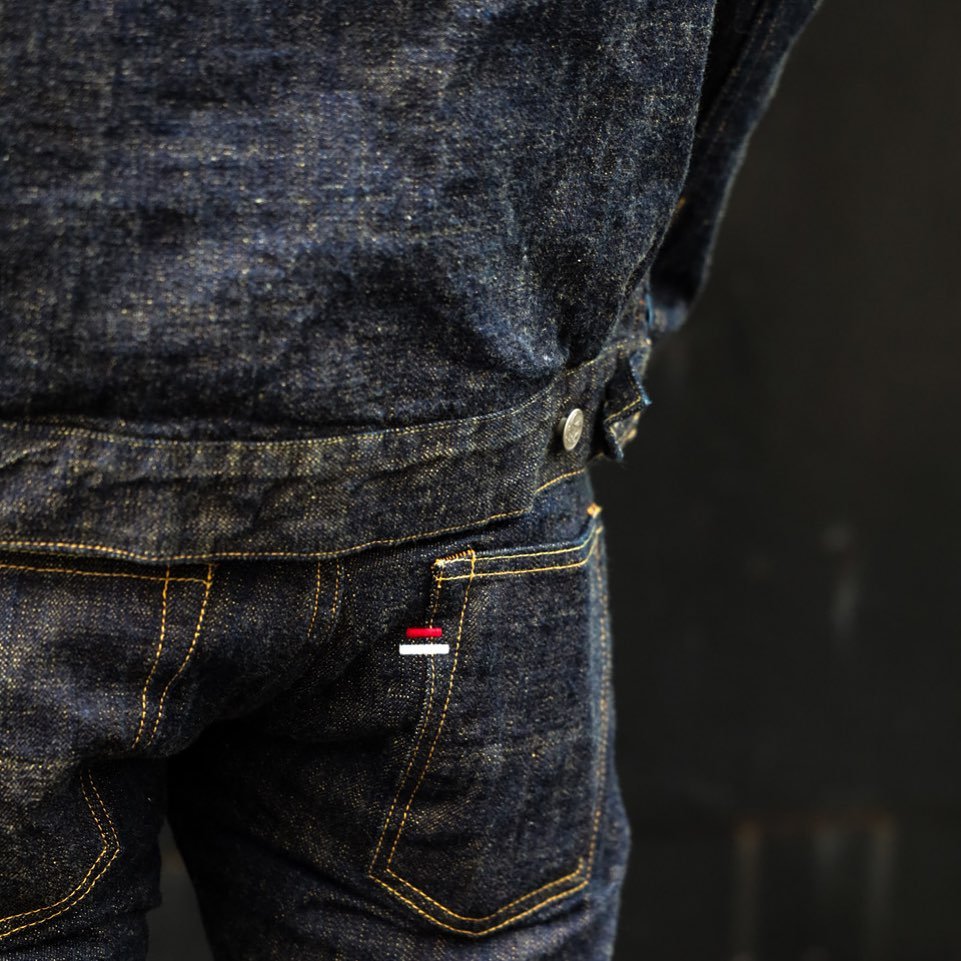
Established in 2016 in Okayama, Tanuki is not a conventional single-founder brand but a small group of artisans, reportedly with more than thirty years of experience at other brands, working across Japan without a central headquarters. The dyeing is a signature, with yarn rope-dyed and dipped multiple times, and the “Zetto” fabric built on Texan cotton and a texture technique refined over years. Flooding in 2018 destroyed shuttle looms capable of weaving some fabrics, adding to their scarcity.
They specialize in deeply dyed indigo selvedge with refined slubby texture, notably the Zetto line. A modern favorite for indigo richness and value relative to its dye quality, it earns praise for color depth and fades, and has built a strong reputation quickly for a brand that only launched in 2016.
How to use this list
For a first serious pair, people most often land on Japan Blue Jeans, TCB, Momotaro, or Fullcount. For heavyweight and big fades, look at Samurai, Iron Heart, The Flat Head, or Pure Blue Japan. For a reproduction as close to the original as possible, Warehouse, Boncoura, and Resolute. For something softer and everyday, orSlow. For military and outdoor, The Real McCoy’s, Colimbo, and Trophy. For the 1950s rockabilly or Prohibition-mobster aesthetic, Dry Bones and Gladhand. For hand-made craft rarity, Ooe Yofukuten, Oni, and Black Sign.
Sources
General history and brand profiles: Heddels brand profiles and the “History of the Osaka 5” articles; Denimhunters; Grailed’s Osaka 5 history; RedcastHeritage, Okayama Denim, Blue Owl Workshop, Self Edge, Clutch Cafe, Standard & Strange, and Hinoya brand pages; Nippon.com on Kojima; Wikipedia entries for Big John, Edwin, Evisu, and Momotaro Jeans; and the official brand sites linked above.
Last updated: July 2026